Want to eat more vegetables but concerned about pesticide residues? A dietitian has identified 4 high-risk vegetable types. If not cleaned properly, you could be consuming pesticides. To eat with peace of mind, simply master 3 correct washing steps and add 1 extra step during cooking to effectively remove pesticides.
Dietitian Yang Si-han recently shared on Facebook that while vegetables provide essential dietary fiber and phytochemicals, based on years of testing data, the following 4 types of vegetables carry relatively higher pesticide residue risks due to their cultivation characteristics, requiring extra care during handling:
1. Legume Vegetables
Examples include green beans and peas. These are continuous harvest crops, meaning that on the same plant, mature pods ready for harvest coexist with small beans still growing. To protect the young fruits, pesticides need to be applied during the harvest period, making them common offenders on pesticide residue lists.
2. Leafy Greens
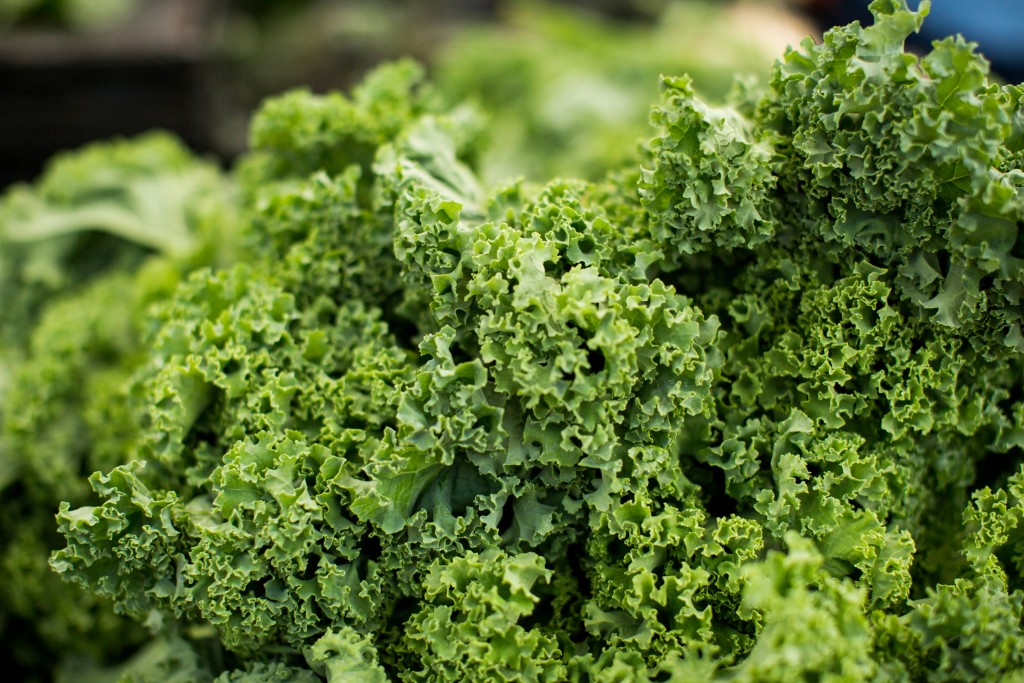
Spinach, bok choy, kale, etc., have large leaf surfaces that come into contact with a wider area of pesticides. Additionally, the bases of leaf stems can easily accumulate water and pesticides, making them key areas to focus on during washing.
3. Peppers and Sweet Peppers
These have indented stems that are very prone to accumulating pesticides. Moreover, these crops are susceptible to many pests and diseases, requiring special attention.
4. Cruciferous Vegetables
For example, cauliflower and broccoli. These vegetables have dense, compact flower heads that not only easily hide insect eggs and pesticides but also make it difficult for water flow to penetrate the crevices and rinse away contaminants, posing a higher cleaning challenge.
3 Correct Steps for Washing Vegetables Plus 1 Extra Step During Cooking for Greater Safety
Yang states that buying expensive fruit and vegetable cleaners is unnecessary; washing with running water is actually the best method to remove pesticides. She also teaches 3 major steps for washing vegetables:
1. Soak
Soak vegetables in clean water for about 3 to 5 minutes to allow water-soluble pesticides to dissolve initially.
2. Rinse
Carefully rinse vegetables under a gentle stream of running water. It's recommended to separate leaves individually for leafy greens, paying extra attention to rinsing the stem area near the root. For broccoli and legumes, use a soft brush to gently scrub the surface to remove dirt from crevices.
3. Cut
A key point in washing vegetables is to "wash first, then cut". If you cut them first and wash later, pesticides and dirty water can easily seep into the vegetable interior through the cut surfaces, making them harder to clean.
5 Fruits and Vegetables with Lower Pesticide Residue
In addition to proper washing, Yang points out that if you want to simplify food preparation or are preparing complementary foods for young children, you can prioritize fruits and vegetables with lower pesticide residues, such as:
- Onions
- Corn
- Asparagus
- Avocados
- Cabbage (after peeling off the outermost leaves)