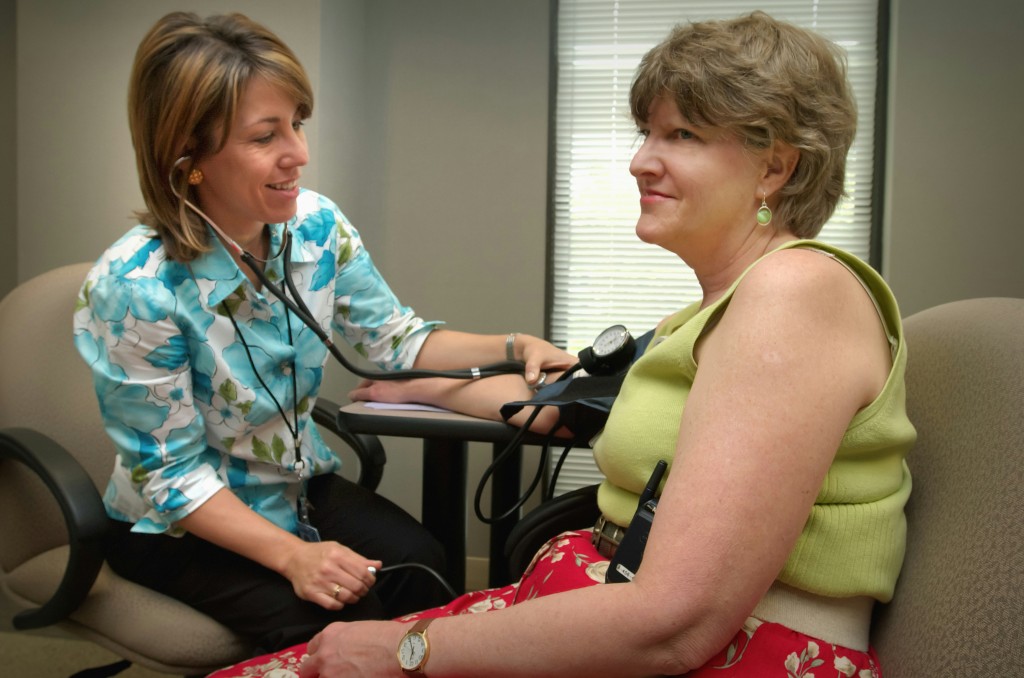
Don't assume a blood pressure reading of 130/80 mmHg is just slightly elevated—it already falls into the pre-hypertension category. A dietitian explains that there is actually a "golden reversal window" of 3 to 6 months during which high blood pressure can potentially be reversed. By combining the DASH diet with time-restricted eating, it's possible to lower blood pressure by nearly 10 points. Adding exercise and lifestyle adjustments can effectively reduce blood pressure without medication.
Dietitian Xue Xiaojing recently shared on her personal page that the latest medical guidelines clearly define 130/80 mmHg as the starting point for hypertension, indicating a significantly higher future risk of diagnosed hypertension, heart attack, or stroke. Xue Xiaojing reminds us that for pre-hypertension, there is a "golden reversal window" of 3 to 6 months. By combining DASH diet, time-restricted eating, and an exercise plan, there's a chance to bring blood pressure back to a safe level without medication.
1. DASH Diet, Time-Restricted Eating, and Sodium Reduction Strategies
Xiaojing cites research confirming that combining the following three dietary strategies yields the best blood pressure-lowering effects:
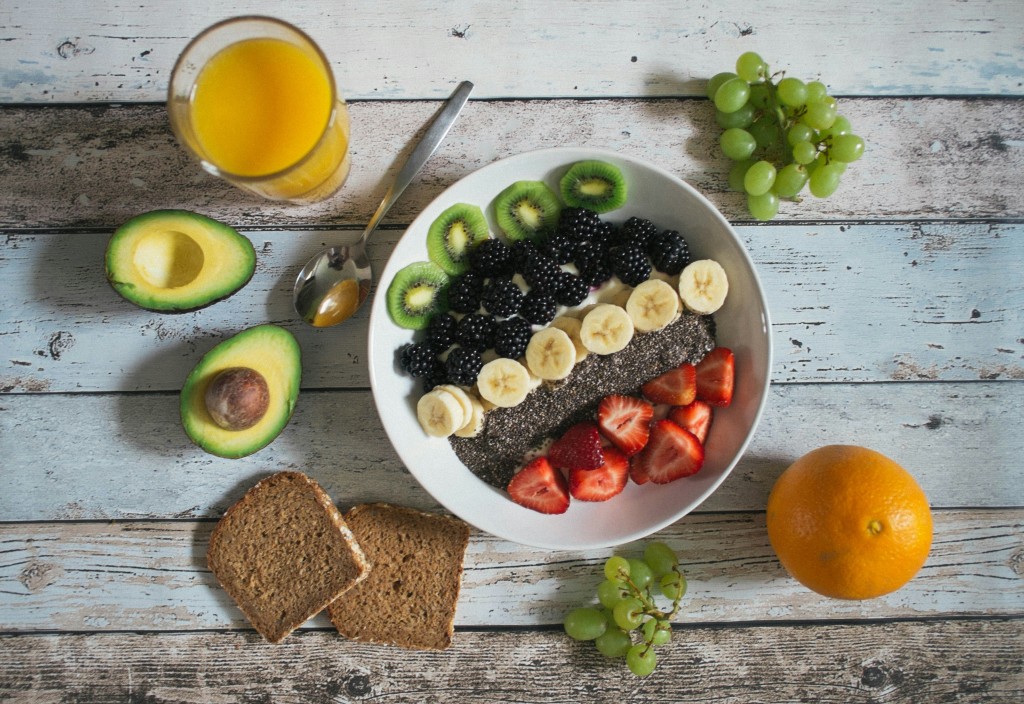
- DASH Diet (Dietary Approaches to Stop Hypertension): The principle is to eat more vegetables, fruits, whole grains, low-fat dairy products, legumes, and nuts; and eat less red meat, processed foods, and saturated fat. Studies show that strictly following the DASH diet can lower systolic blood pressure by an average of nearly 7 mmHg.
- Time-Restricted Eating (8-Hour Eating Window): A 2024 study in Nutrition Journal showed that patients with stage 1 hypertension who followed "DASH diet + daily 8-hour eating window"achieved significant results. While DASH diet alone lowered systolic pressure by 5.6 mmHg after 6 weeks, combining it with an 8-hour eating window led to a greater reduction of 8.5 mmHg in systolic pressure and 9.5 mmHg in diastolic pressure.
- Sodium Reduction Strategy: The principle is to reduce daily sodium intake to about 2 grams (approximately 5 grams of salt). For every 1-gram reduction in sodium, systolic blood pressure can drop by 2–3 mmHg. It's recommended to consume more high-potassium foods (like dark leafy greens and fruits) to help excrete sodium.
2. Triple Approach: Aerobic + Strength + Mind-Body Exercise
Regular exercise is the most cost-effective tool for lowering blood pressure. Beyond brisk walking, mind-body exercises should not be overlooked. Xiaojing recommends a triple approach:
- Aerobic Exercise: At least 150 minutes of moderate-intensity exercise per week (e.g., brisk walking, cycling, swimming).
- Strength Training: At least 2 days per week (e.g., squats, push-ups, resistance bands).
- Mind-Body Exercise: Activities like Tai Chi and yoga, which combine breathing and relaxation, help with neuromuscular coordination and stress management.
3 Key Groups Should Seize the Golden Reversal Window
Xiaojing emphasizes that combining "nutrition + exercise" is far more effective for lowering blood pressure than any single method. The following groups should actively leverage lifestyle adjustments during the pre-hypertension stage:
- Office workers aged 25-55 whose blood pressure often stays between 130-139/80-89 mmHg.
- Those who need to lose weight and also have pre-hypertension (for every 1 kg of weight lost, systolic blood pressure drops by approximately 1 mmHg).
- Individuals with a family history of cardiovascular disease whose blood pressure is already elevated.
She suggests posting a "7-Step High Blood Pressure Reversal" checklist in a visible spot and starting to implement it today:
- Measure and record your blood pressure morning and night for 3 consecutive days to establish your baseline.
- Adjust one meal to follow the "half plate of vegetables, one-quarter whole grains, one-quarter quality protein" rule.
- Implement one sodium-reduction technique, such as only drinking half the soup or using half the usual amount of sauce.
- Consult with a doctor or dietitian to assess if trying an 8-10 hour time-restricted eating window is suitable for you.
- Start with 10-15 minutes of brisk walking daily, gradually increasing.
- Incorporate simple strength training, like 10-15 squats.
- Schedule 10 minutes for breathing meditation or follow along with Tai Chi or yoga videos.