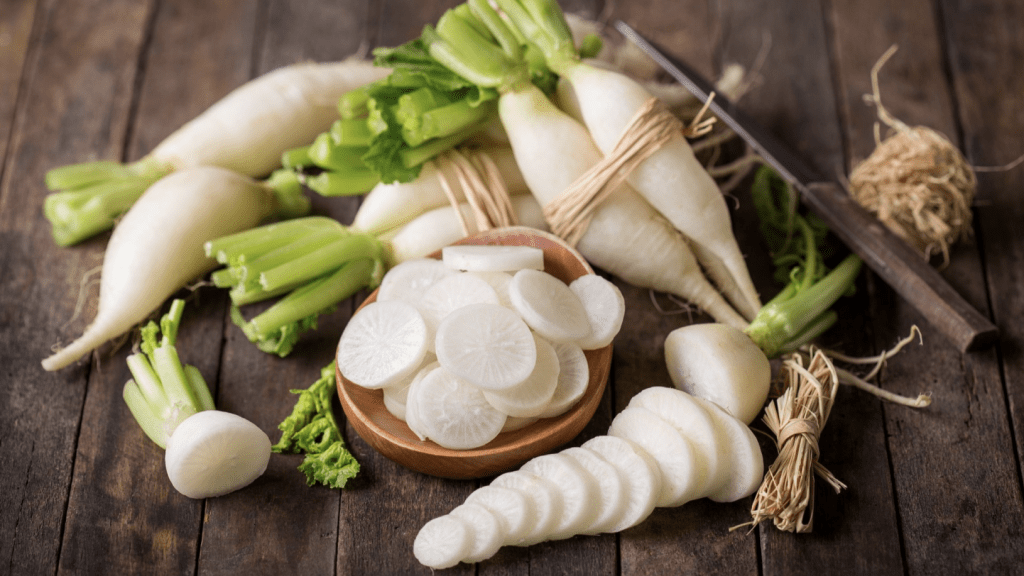
As Lunar New Year approaches, a variety of festive foods are a must, and savory, sweet turnip cake is the king of New Year cakes for many. Winter-harvested white radishes are sweet, juicy, and versatile in cooking, offering benefits like preventing colds and stabilizing blood sugar. They can warm body and soul in soups, or become the star ingredient in a clear stew with beef brisket. However, what are the health impacts of eating too much white radish? What ingredients pair best with it?
According to a report by Japanese media otona answer, Dr. Keio Ogura, a Japanese internal medicine doctor specializing in diabetes, explains the nutritional components and dietary precautions of white radish. He states that white radish is low in calories, high in water content, contains vitamin C, and has moderate levels of potassium and dietary fiber (approximately 230mg of potassium and 1.4g of dietary fiber per 100g). White radish belongs to the cruciferous vegetable family and contains myrosinase, which produces isothiocyanates. These components may have some effect in helping prevent cancer, diabetes, and other diseases. However, myrosinase is heat-sensitive; even light heating or stir-frying can reduce its content, and prolonged boiling can inactivate it.
Furthermore, white radish is a non-starchy vegetable, beneficial for blood sugar management, and is recommended for consumption by the American Diabetes Association (ADA).
Ogura notes that while there is no specific recommended amount or upper limit for consuming white radish alone, as a lighter-colored vegetable, it should be eaten alongside other vegetables. The recommended total daily vegetable intake is over 350g.
4 Major Health Risks of Eating Too Much White Radish
Ogura indicates that depending on how it's consumed and an individual's underlying health conditions, eating too much white radish can generally lead to four main issues:
1. Gastrointestinal Discomfort Symptoms
Excessive intake of dietary fiber and isothiocyanates may cause bloating, gas, diarrhea, etc. While increasing dietary fiber can help improve chronic constipation, intake should be adjusted based on individual symptoms.
2. Hypothyroidism
Isothiocyanates produced by myrosinase may inhibit thyroid function. Therefore, frequent, large consumption of raw white radish by individuals with severe iodine deficiency can lead to hypothyroidism. However, heating reduces myrosinase content and inactivates it, so consuming cooked white radish and ensuring adequate iodine intake from sources like kombu/kelp can mitigate this effect. Thyroid disease patients should consult a doctor before consuming white radish.
3. Hyperkalemia in Chronic Kidney Disease (CKD) Patients
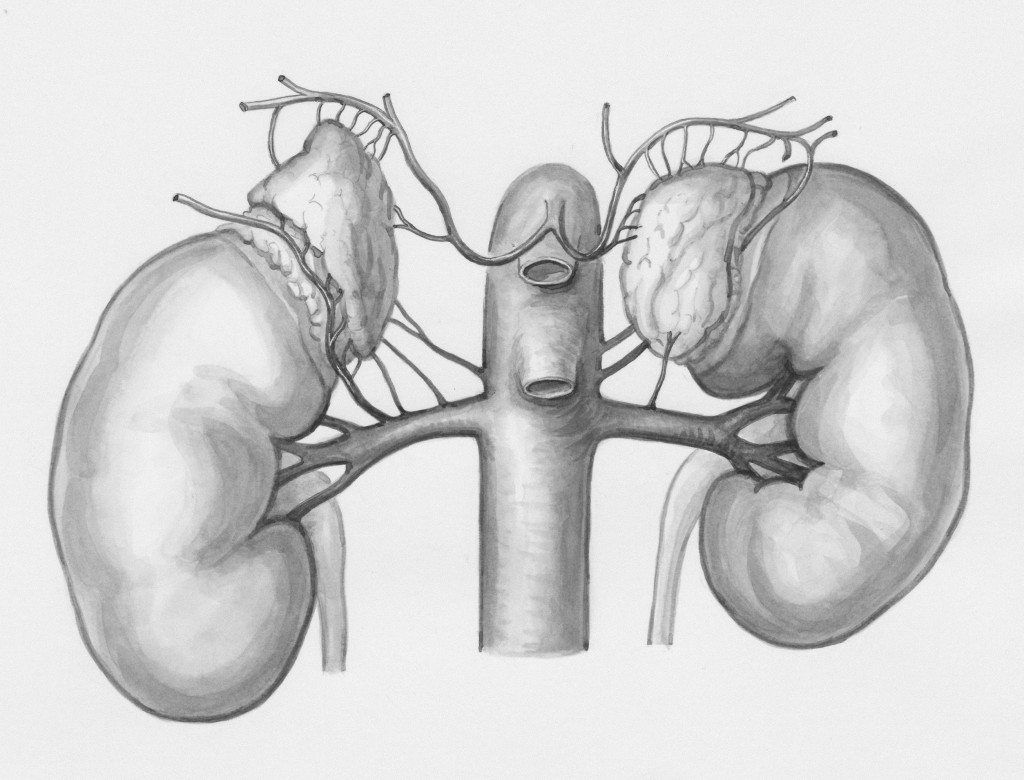
Patients with chronic kidney disease or impaired kidney function may be unable to excrete potassium properly, leading to hyperkalemia (high blood potassium). Dietary potassium intake should be adjusted. Although white radish's potassium content is moderate, these patients should still be cautious.
4. Urinary Tract Stones
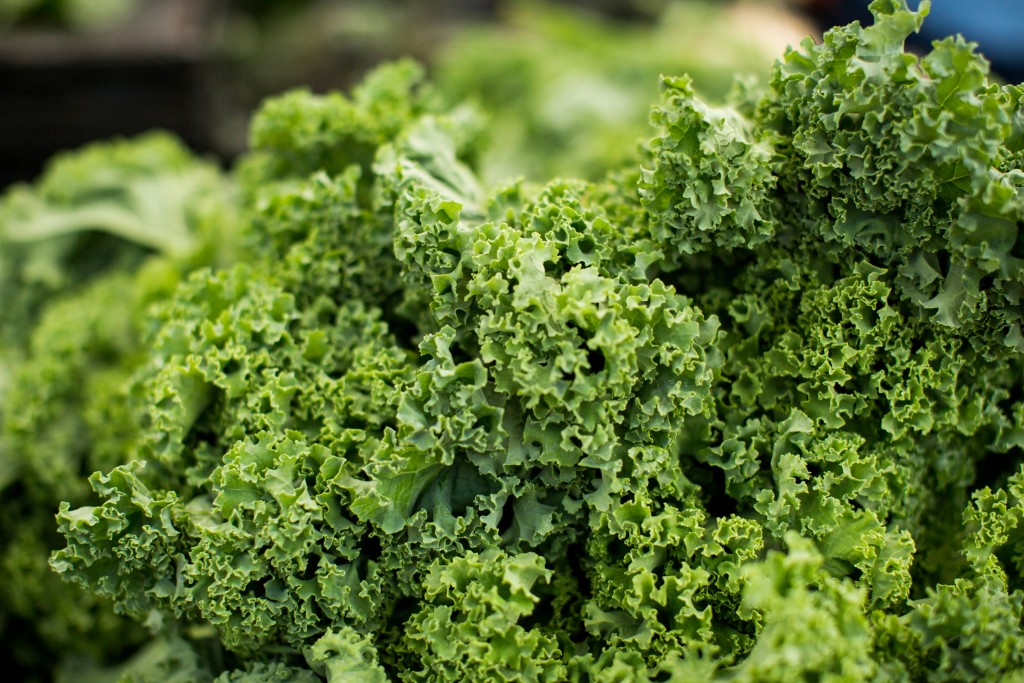
Japanese pickled radish (takuan) has a very high sodium content—approximately 2.5g per 100g. Excessive salt intake not only increases risks for high blood pressure, chronic kidney disease, and cardiovascular disease but also raises calcium excretion in urine, increasing the risk of urinary stones. It's also advisable to avoid consuming it with high-oxalate foods like spinach, as oxalate can combine with calcium to form stones. Opt for "no-salt-added" canned or frozen pickled radish to reduce salt intake.
Should White Radish and Carrots Not Be Eaten Together?
Additionally, some people mistakenly believe that eating white radish and carrots together destroys the vitamin C in white radish due to an enzyme in carrots. Dr. Ogura explains that the enzyme in carrots actually "converts" vitamin C into an oxidized form, which can retain its function in the body, so there is no need for concern.