Avoiding carbohydrates for weight loss doesn't just affect mood; it can also lead to muscle loss and hair loss. A Japanese dietitian strongly recommends the "Rice Diet," claiming that eating the right type of rice can lead to faster and more effective weight loss, making it harder to lose muscle.
According to a report by Japanese media Women's Health, Japanese dietitian Asou Reimi states that many people fall into the trap of eating too little during weight loss. Particularly, some people avoid rice to lose weight without increasing their intake of protein, vegetables, and seaweed. Although they consume fewer calories, this can actually hinder weight loss: metabolism slows down, muscle mass decreases, and weight is more likely to rebound. She emphasizes that rice is an ideal staple food during weight loss. Consuming an appropriate amount helps maintain metabolism and suppress hunger-induced appetite.
Eating rice has many benefits for weight loss. Firstly, rice itself contains almost no fat, helping to reduce fat intake, and it is a gentle energy source for the body. Eating rice also easily creates a sense of having a proper meal and provides satiety, thus helping to prevent stress eating or cravings for snacks. Moreover, rice is the most basic staple food—it's not a special ingredient and doesn't require adaptation. It pairs well with fish, vegetables, and fermented foods, making it easy to achieve nutritional balance. For those doing strength training, it's even more important to consume sufficient calories and protein. Rice, as a staple food, helps maintain muscle mass, prevents muscle loss, and aids in shaping a fit physique.
Beyond white rice, other types of rice contain various nutrients. For example, dietary fiber helps regulate the gut environment and promote the growth of beneficial gut bacteria, positively affecting metabolism and overall physical condition; magnesium can speed up metabolism and improve weight loss efficiency.
5 Key Points for Implementing the "Rice Diet"
However, although it's called the "Rice Diet," it doesn't mean you'll lose weight by eating only rice. The focus is on a balanced diet. Asou Reimi outlines 5 major principles to truly help control weight.
1. Pay Attention to Eating Order
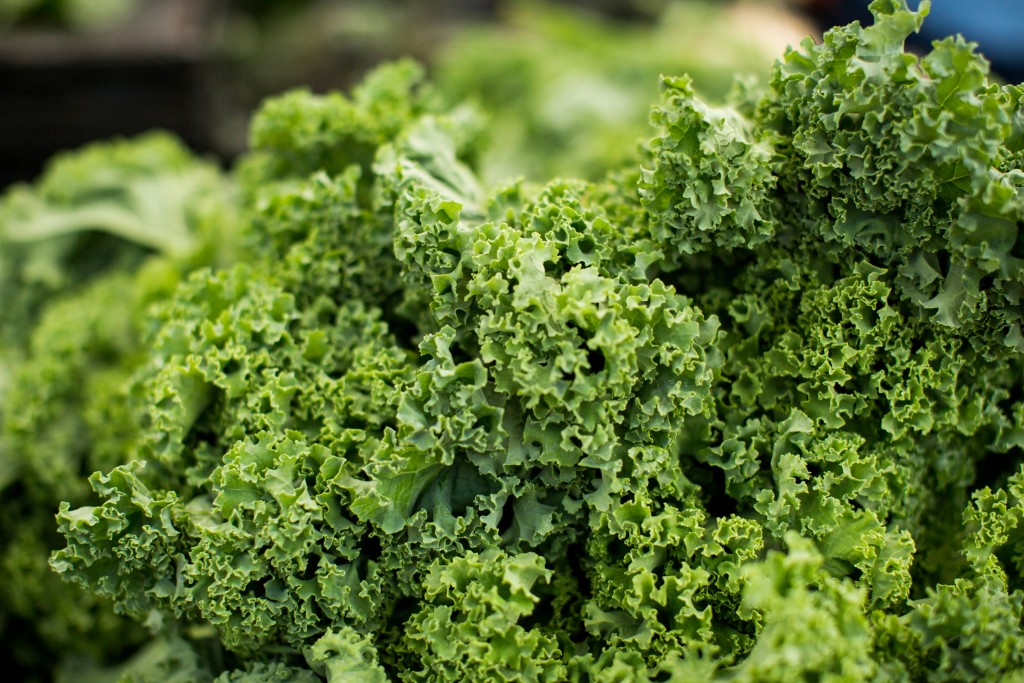
Eat vegetables, seaweed, and mushrooms first, then protein, and finally rice. Consuming dietary fiber first can slow down the subsequent absorption of sugar, thereby avoiding rapid spikes in blood sugar levels.
2. Pay Attention to Portion Size
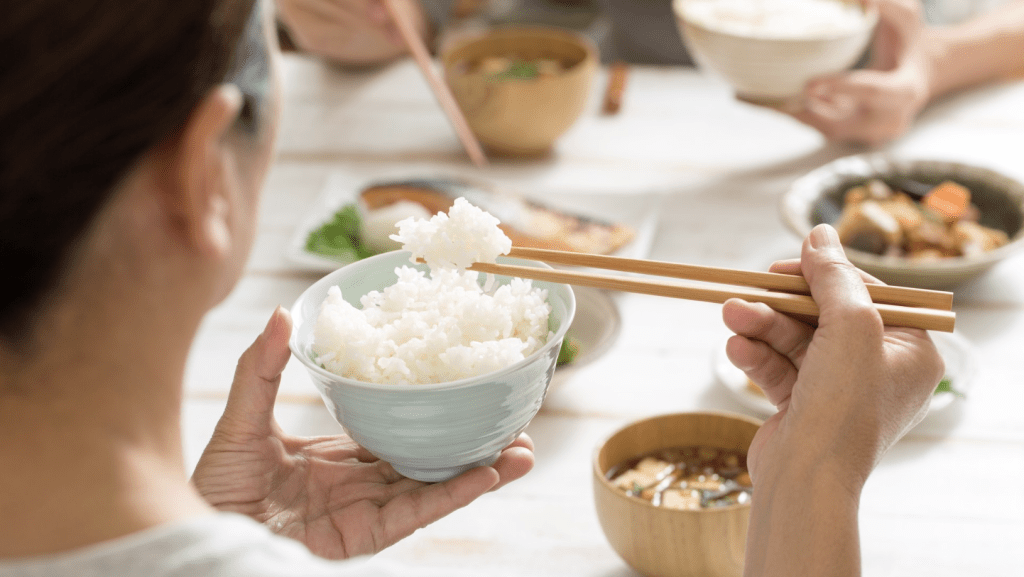
Rice is an important energy source for the body, but after all, it's a carbohydrate. Eating too much can still lead to elevated blood sugar levels, ultimately causing fat accumulation. The recommended serving size is about the size of your fist, stopping when 80% full. Remember to chew thoroughly, which effectively enhances satiety and prevents overeating.
3. Cool the Rice
Cooked rice that has been refrigerated increases its resistant starch content, which helps improve gut health. This can be an auxiliary method for improving health, but still, don't eat too much.
4. Pair Rice with Protein
Eating rice with protein can slow down the rate of blood sugar increase and is also key to maintaining muscle mass. Grilled fish, chicken breast, eggs, natto, and tofu are highly recommended pairings. Avoid eating rice alone or having rice bowls with a single main dish; these are often carbohydrate-heavy. In addition to protein, add vegetables, mushrooms, and seaweed. Balanced nutrition helps blood sugar rise more slowly and makes you feel full longer.
5. Best to Eat Rice for Breakfast and Lunch
Physical activity is highest during the day, and eating rice during this time is most easily digested and absorbed, quickly converting into energy. If you want rice for dinner, you should eat a smaller amount appropriately based on your physical condition and activity level.
7 Types of Rice Suitable for the "Rice Diet"
Asou Reimi recommends 7 types of rice suitable for the "Rice Diet," most of which are high-fiber options. However, it turns out eating white rice also has benefits during weight loss?
1. White Rice
White rice is easy to digest and absorb, places little burden on the body, and pairs well with various dishes, making it easy to feel satisfied. It's best to eat white rice for breakfast and lunch because the body is more active during the day and can burn calories. White rice is especially suitable for people who exercise regularly; eating it before exercise can quickly convert into energy.
2. Brown Rice
Brown rice is rich in dietary fiber, vitamins, and minerals. It causes blood sugar levels to rise slowly, making fat less likely to accumulate, and also helps maintain gut health. Chewing brown rice thoroughly naturally slows down eating speed, making it easier to feel full. It is an ideal choice as dinner rice.
Asou Reimi especially recommends eating sprouted brown rice with red beans. Sprouted brown rice has a crisper texture, making it easier to feel satisfied, and its GABA (gamma-aminobutyric acid) content increases, helping the body relax and maintain a good state. Adding red beans also provides polyphenols and dietary fiber, beneficial for blood sugar control and nutritional balance, and further helps improve gut environment and metabolism.
3. Multigrain Rice
Multigrain rice helps supplement nutrients easily lacking during weight loss, such as iron, magnesium, and polyphenols. Mixing multigrain rice with white rice when cooking can easily increase nutritional density. It's a very suitable introductory choice before trying brown rice.
4. Barley (Mochi Mugi)
Barley is rich in beta-glucan, a water-soluble dietary fiber that effectively slows post-meal blood sugar spikes and controls cholesterol. Because of its chewy texture and strong satiety, even a small amount can be satisfying, making it especially suitable for those worried about overeating. Barley is rarely eaten alone; it's usually cooked with white rice or brown rice.
5. Cauliflower Rice
Cauliflower rice is made from finely chopped cauliflower. It's an excellent choice for people wanting to reduce carbohydrate intake and can increase vegetable consumption. Cauliflower rice is especially recommended for late dinners or for dietary adjustment after a big meal. If you're not used to it at first, mixing cauliflower rice with white rice is also a good way to make it easier to adapt.
6. Konjac Rice / Shirataki Rice
Konjac is suitable for those wanting to control calorie and sugar intake. Its advantage is that it increases the volume of rice while reducing energy intake. Therefore, it's best eaten with white rice or brown rice rather than as a staple food alone, to strike a balance between satisfaction and long-term adherence.
7. Oat Rice
Oat rice is characterized by a low glycemic index and high protein content. It causes blood sugar levels to rise slowly, provides strong satiety, and is convenient to prepare, making it an ideal choice for breakfast or a light meal. However, due to its different nutritional composition and digestion compared to rice, it is not recommended for all three meals a day. Instead, alternate it with brown rice or white rice.