What foods help protect eye health? Ophthalmologist Dr. Nian Jing-min recommended on her Facebook page the following 6 types of foods rich in vitamins and high-quality fats, which offer multiple benefits like preventing eye aging and relieving eye fatigue:
1. Fish
Opt for fish like salmon, mackerel, and saury, which are rich in Omega-3 unsaturated fatty acids, including DHA and EPA. These help stabilize the tear film, reduce dry eye syndrome, and protect the macular region of the retina, preventing degenerative eye diseases. It's recommended to cook using methods like steaming salmon or pan-frying mackerel to preserve the beneficial oils in the fish. Avoid deep-frying or excessive seasoning to fully absorb the eye-protecting nutrients. Note that deep-sea fish should be fresh; prolonged freezing can cause Omega-3 loss.
2. Dark Leafy Greens
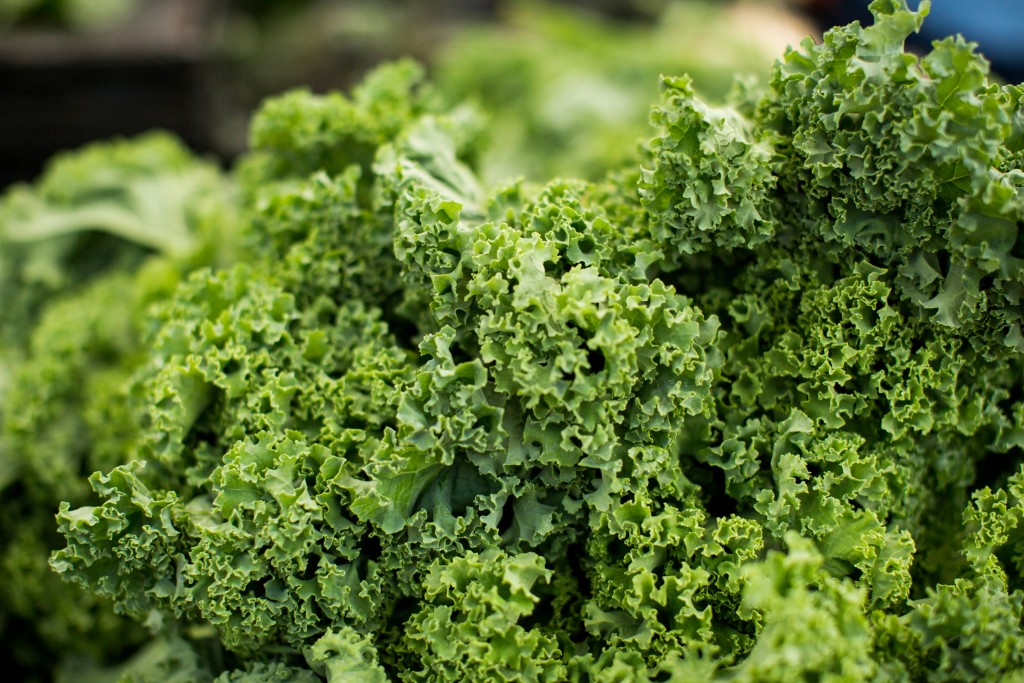
Choose vegetables rich in lutein like spinach, sweet potato leaves, and kale. Lutein is a core nutrient for the macular region of the retina, helping filter blue light and combat free radicals. Suggested cooking methods include stir-frying spinach with salted and preserved eggs or garlicky kale, paired with a moderate amount of oil to enhance the body's absorption efficiency of lutein.
3. Carrots and Pumpkin
Carrots and pumpkin are rich in beta-carotene, which the body converts into vitamin A—a key component of retinal photoreceptor cells. Long-term deficiency can lead to night blindness or dry eye syndrome. Since beta-carotene is fat-soluble, cooking with fats like meat, butter, or nuts can significantly improve absorption. Recommended dishes include butter-baked pumpkin or braised pork with carrots.
4. Nuts and Seeds
Examples include almonds, walnuts, cashews, and pumpkin seeds. They are rich in vitamin E, a powerful antioxidant that protects eye cells from free radical damage, delays aging, and helps prevent cataracts. Nuts also contain Omega-3 fatty acids and the mineral zinc, which are very beneficial for optic nerve health. Suggestions include sprinkling mixed nut crumbles on salads or preparing dishes like stir-fried shrimp with cashews or walnuts with vegetables. When purchasing, choose plain, unseasoned products to avoid high salt or sugar content that may compromise their nutritional value.
5. Eggs
Egg yolks contain various eye-protecting nutrients like lutein, zeaxanthin, vitamin A, and zinc. The natural fats in eggs also aid in the absorption of fat-soluble vitamins. Cooking methods like boiling or steaming eggs best preserve nutrients, while frying may destroy some. Other options include preparing steamed egg custard, tea eggs, or tamagoyaki (Japanese omelet).
6. Goji Berries and Red Dates
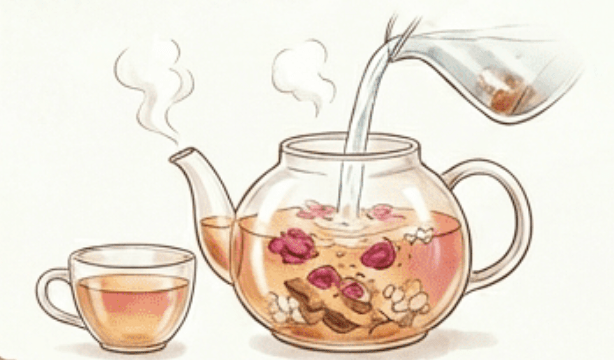
Goji berries are rich in zeaxanthin, beta-carotene, and various B vitamins, while red dates contain iron and vitamin C. Suggestions include stewing chicken soup with goji berries and red dates or brewing longan red date tea, which warms the body and aids eye health. When cooking, add goji berries towards the end to avoid nutrient loss from prolonged boiling. Score red dates a few times to help release their nutrients more easily. These two beverages are particularly effective for relieving eye fatigue caused by prolonged screen time.
Nian suggests combining the "rainbow diet" method with eye-protective eating by incorporating dark green, orange-yellow, and red ingredients paired with high-quality fats. When cooking, opt for steaming over frying and use natural flavors instead of heavy seasoning to preserve complete nutrition, eat healthily, and care for your eyes.
6 Common Eye Problems in the Elderly; Presbyopia Can Start as Early as 40
According to information from the Hong Kong Department of Health, as age increases, eye tissues gradually degenerate. Elderly individuals may develop the following common eye conditions:
1. Droopy Eyelids (Ptosis)
Caused by loss of elasticity in the eyelid skin and weakening muscles. Mild ptosis usually doesn't cause discomfort or affect vision.
2. Dry Eyes
Causes stinging, dryness, and photophobia (light sensitivity). Main causes include:
- Declining tear gland function
- Extremely dry or polluted environments
- Eye infections
- Medication reactions (e.g., cold medicines, antihistamines, diuretics, eye drops with preservatives). Artificial tears can generally relieve dry eyes, or using a humidifier to increase indoor humidity. Persistent dryness or infection requires prompt treatment.
3. Watery Eyes (Epiphora)
Refers to persistent tearing or watery eyes. Main causes include:
- Eyelid laxity preventing the tear puncta from contacting the eyeball properly, hindering tear drainage.
- Blocked tear ducts.
- Foreign objects in the eye.
- Eye inflammation.
Treatment depends on the cause. Persistent epiphora should be evaluated by a doctor.
4. Presbyopia
As the eye's lens loses elasticity with age, focusing on near objects becomes difficult, causing blurred vision. Presbyopia typically begins around age 40, with the prescription increasing until stabilizing around age 60.
Corrective reading glasses prescribed by a qualified optometrist or ophthalmologist are needed. Regular eye exams every 2-3 years are recommended to ensure the prescription remains appropriate as vision changes.
5. Floaters ("Flying Mosquitoes")
Opaque particles floating in the vitreous humor cast shadows on the retina, perceived as drifting spots or strings. Floaters are often temporary; their number may change over time and they may even disappear.
6. Blurred Vision
Three common diseases causing blurred vision in the elderly (each requires medical diagnosis and treatment):
- Cataracts: Gradual clouding of the eye's lens reduces light entering the eye, causing blurred vision and decreased eyesight.
- Glaucoma: Elevated intraocular pressure damages the optic nerve, leading to vision loss and narrowed visual fields. A serious condition that can cause permanent vision damage or blindness if not treated early.
- Age-related Macular Degeneration (AMD): The macula, at the center of the retina, contains dense photoreceptor cells and nerves for detailed central vision. With age, the macula can atrophy and degenerate. Symptoms include distorted vision (e.g., straight lines appearing wavy), objects seeming larger/smaller, occasional dark spots, and blurred vision.