Cardiovascular disease is one of the most common fatal diseases in Hong Kong. Research indicates that regularly eating one type of food can effectively reduce the risk of coronary heart disease by 8.5 percent, offering multiple benefits such as protecting blood vessels and lowering blood pressure.
According to a report by mainland media People's Daily Health Times citing a study, this research primarily explores the associations between a diet rich in polyphenols, its urinary metabolic characteristics, and longitudinal cardiovascular disease. The related study was published in BMC Medicine in November 2025.
What did the study find?
The study followed over 3,100 adults for more than 10 years. Participants completed the EPIC-Norfolk food frequency questionnaire and provided longitudinal health data. Among them, 200 participants provided random urine samples. Analysis results showed:
- For every 10-point increase in the polyphenol dietary score in daily diet, the risk of coronary heart disease decreased by 8.5%.
- For every additional 100 mg of polyphenols consumed daily, the cardiovascular risk score decreased by 0.6%.
- Those with higher polyphenol content in their diet generally had higher levels of good cholesterol (HDL) as well as more stable and lower blood pressure.
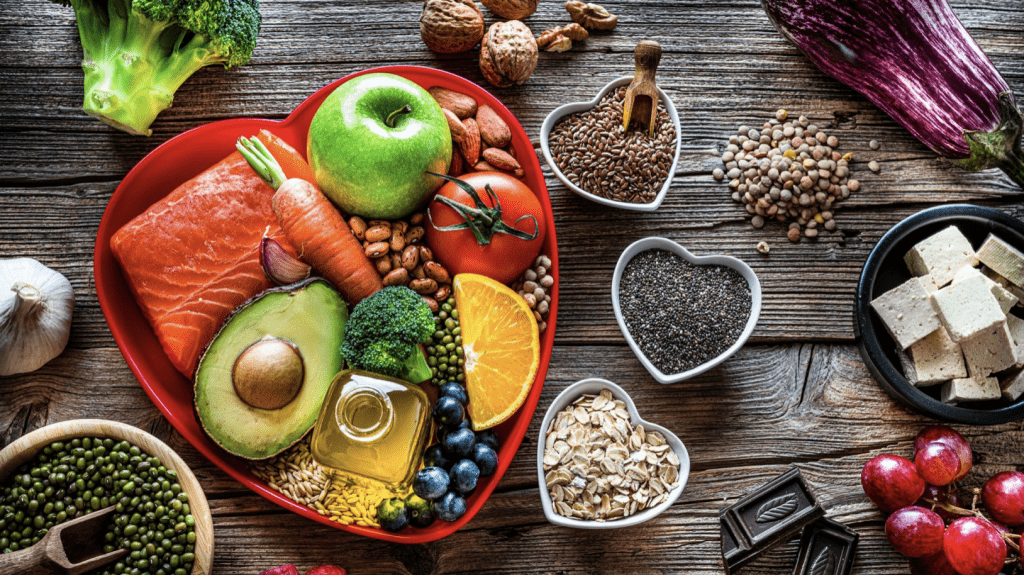
The study further explains that polyphenols are a class of natural active substances widely present in plant-based foods, possessing various physiological functions such as antioxidant, anti-inflammatory, and improving vascular endothelial function. Common foods rich in polyphenols include:
- Beverages: Tea, coffee
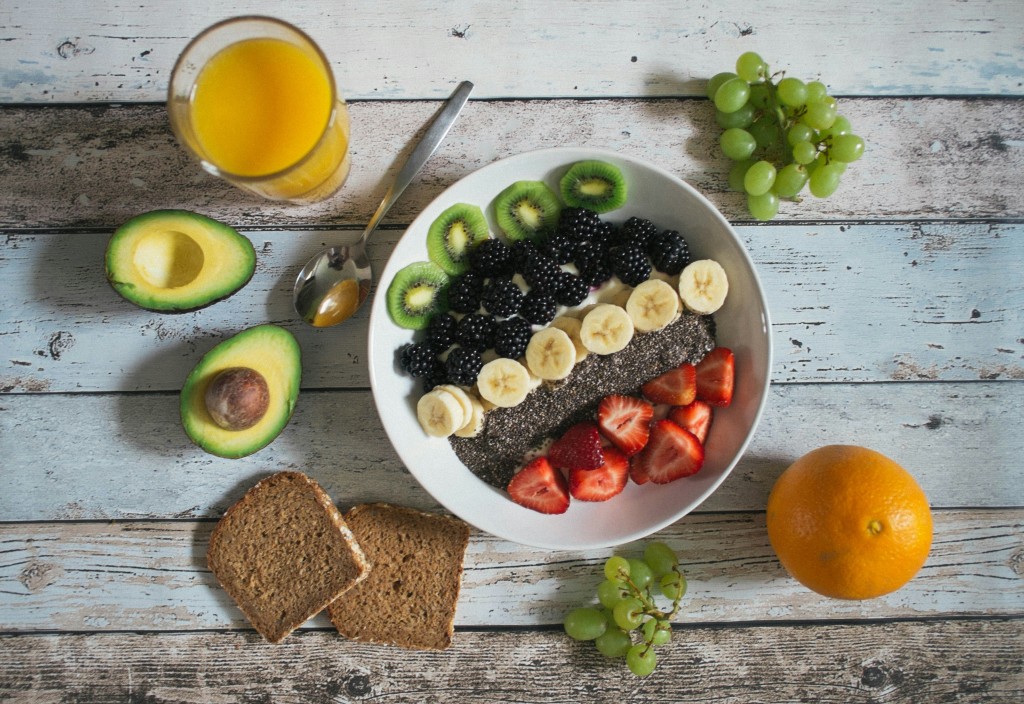
- Fruits: Berries, apples, pears, grapes, plums, citrus fruits
- Vegetables: Onions, peppers, garlic, leafy greens, potatoes, carrots
- Others: Whole grains, breakfast cereals, chocolate/cocoa products, legumes, soybeans, nuts, olive oil
The report synthesizes multiple studies, pointing out that polyphenols, as natural active components in plants, act as "scavengers" for cardiovascular health, comprehensively protecting heart health mainly through the following four aspects:
- Help Fight Inflammation: Polyphenols are important anti-inflammatory components that can clear free radicals, regulate the body's redox metabolic pathways, promote liver detoxification, and inhibit inflammatory responses. Foods rich in polyphenols often also provide nutrients like dietary fiber, vitamin C, and carotene, further aiding the anti-inflammatory effect.
- Antioxidant Properties: Heart cells face significant oxidative stress damage daily. Polyphenols can clear free radicals that cause atherosclerosis, protecting vascular endothelial cells.
- Stabilize Blood Pressure: Foods rich in polyphenols help relax blood vessels and improve blood flow, thereby aiding in blood pressure regulation. According to a 2024 study in Nutrients, catechins (common in green tea) and genistein (common in soybeans) both significantly lower blood pressure.
- Help Lower Blood Lipids: As efficient antioxidants, polyphenols can effectively reduce intestinal cholesterol absorption and inhibit the oxidation process of "bad" cholesterol (LDL), thereby lowering the risk of coronary heart disease. For example, the isoflavones in soy protein help regulate the body's cholesterol metabolism, while catechins in green tea can significantly reduce "bad" cholesterol levels.
5 Best Dietary Methods for Consuming Polyphenols: These 2 Beverages Are Recommended
In addition to the tea, coffee, whole grains, berries, and olive oil mentioned in the study, researcher Zhu Dazhou from the Institute of Food and Nutrition Development of the Ministry of Agriculture and Rural Affairs noted in an interview that polyphenols mainly come from fresh fruits, vegetables, whole grains, legumes, and tea. Darker-colored foods, such as purple, red, green, and black, usually contain higher concentrations of polyphenols. Regarding how to consume sufficient polyphenols in daily diet, he suggests the following 5 methods based on the Dietary Guidelines for Chinese Residents (2022):
1. Combine Refined and Whole Grains in Staple Foods
The Dietary Guidelines for Chinese Residents (2022) recommend that normal adults consume 200-300 grams of grains daily, of which 50-150 grams should be whole grains and mixed beans. Compared to refined grains like white rice and white flour, whole grains such as brown rice, oats, and whole wheat retain the seed coat, germ, and endosperm structure, making them richer in polyphenols. Additionally, dark-colored mixed beans like red beans and mung beans, as well as soybeans like black beans and green beans, are also rich in polyphenols. It is recommended to mix brown rice, oats, mixed beans with white rice when cooking daily meals.
2. Choose More Dark-Colored Vegetables
Adults should consume 300-500 grams of vegetables daily, with dark-colored vegetables accounting for at least half. Deep green and purple vegetables are especially richer in polyphenols. It is recommended to consume more dark-colored vegetables like spinach, purple cabbage, and eggplant. During cooking, note that polyphenols are easily soluble in water, so blanching time should not be too long. Methods like water-oil sautéing can help retain nutrients.
3. Eat Fruit Directly; Avoid Juicing
The recommended daily fruit intake for normal adults is 200-350 grams. Prioritize berries like grapes, strawberries, and blueberries, and it is recommended to eat the whole fruit directly. The juicing process causes oxidation, leading to loss of polyphenols and removal of large amounts of dietary fiber, which can result in excessive sugar intake. If the fruit skin is edible, it is recommended to wash and eat it with the skin to consume more polyphenols.
4. Drink Green Tea and Coffee
Among various teas, green tea has the richest polyphenol content. If you have good gastrointestinal function and heart protection needs, you can prioritize green tea. It is recommended to drink weak tea to minimize stomach irritation. Both tea and coffee intake should be controlled. Those sensitive to caffeine should be especially careful to avoid affecting sleep or causing palpitations.
5. Eat Nuts with Their Skin
Common nuts like walnuts, peanuts, and pistachios contain polyphenols, which are mostly concentrated in the thin film between the kernel and the shell. It is recommended to eat nuts along with their skin (the thin inner skin/pect). Choose plain, lightly roasted, or raw nuts, consume in moderation—about a small handful (approximately 10 grams) per day is sufficient.