Kidney disease ranks as the seventh leading cause of death in Hong Kong, with approximately 10% of the population suffering from chronic kidney function decline. To improve kidney health, many believe that simply eating less salt is sufficient. However, a doctor explains that sodium is not something where less is always better; blindly reducing salt may actually increase mortality risk. He emphasizes that kidney protection should start with 7 key dietary habits and suggests eating more 6 types of antioxidant-rich foods to help lower blood pressure and prevent kidney inflammation.
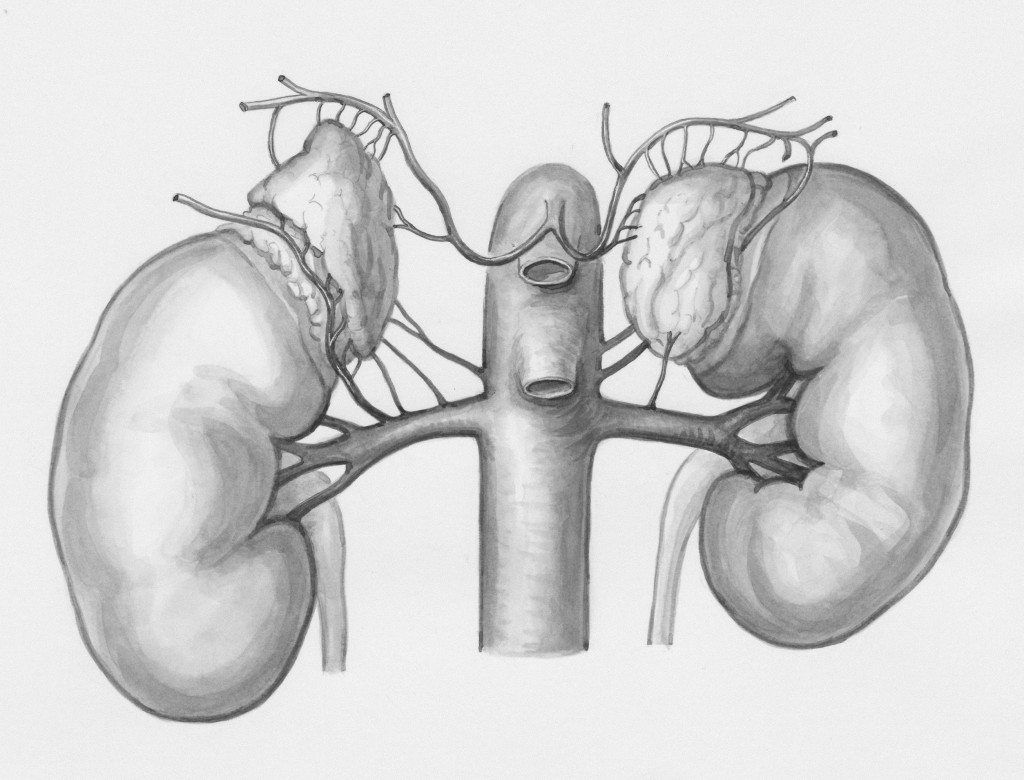
Family medicine physician Dr. Li Si-xian previously shared on his personal Facebook page that the kidneys act as the body's "natural water filter," responsible for eliminating waste, regulating body water and electrolyte balance, and maintaining stable blood pressure. Kidney disease is often asymptomatic, so many people remain unaware even as their kidney function deteriorates. To maintain good kidney function, it's best to start with diet and lifestyle habits, paying attention to these 7 kidney-protecting strategies:
1. Sodium: Less Is Not Always Better
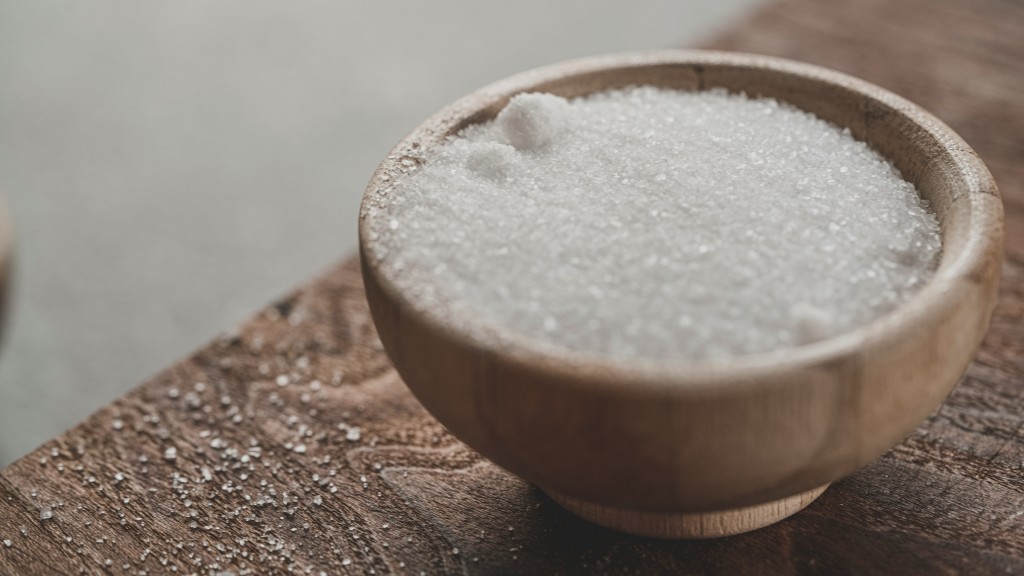
Sodium has long been viewed as the "culprit" behind high blood pressure, but this isn't entirely accurate:
- Excessive sodium intake (more than 6g per day) may raise blood pressure in "salt-sensitive" individuals.
- Overly restricting salt (less than 3g per day) may instead increase mortality risk, especially for patients with diabetes, cardiovascular disease, or kidney disease.
- The human body has mechanisms to regulate sodium. As long as the kidneys are healthy, excess sodium is excreted through urine.
- Rather than blindly reducing sodium, increasing potassium intake to maintain a sodium-potassium balance is more effective for stabilizing blood pressure than simply eating less salt.
2. Healthy Individuals Should Not Fear High Potassium Intake
Many believe that "potassium harms the kidneys" and intentionally avoid high-potassium foods. In fact, potassium intake is not only harmless but actually aids kidney function:
- Potassium helps excrete sodium, reducing high blood pressure risk while maintaining normal muscle and nerve function.
- Only patients with severely impaired kidney function, who cannot excrete potassium normally, need to control their potassium intake.
- Generally healthy individuals can safely consume potassium-rich natural foods like vegetables, nuts, avocados, and pumpkin seeds.
3. Consume Protein in Moderation
Protein is an essential nutrient for the body, aiding in muscle repair, hormone regulation, and immune function. However, excessive intake may increase the burden on the kidneys.
- A high-protein diet has little impact on the kidneys of generally healthy individuals and may even help lower blood pressure and stabilize blood sugar.
- For those with existing kidney disease, protein intake should be moderately controlled. Consuming 0.6-0.8g per kilogram of body weight daily can help reduce the kidney's burden and slow the decline of kidney function.
4. 6 Types of Foods to Prevent Kidney Inflammation/Oxidative Stress
The kidneys help detoxify the body daily, making them susceptible to oxidative stress. Eating antioxidant-rich foods can help neutralize free radicals and reduce kidney cell damage. The following 6 types of kidney-protective antioxidant foods are recommended:
- Berries: Such as blueberries and cranberries, rich in polyphenol antioxidants that help protect kidney cells.
- Nuts: Contain Omega-3 fatty acids and Vitamin E, reducing inflammation.
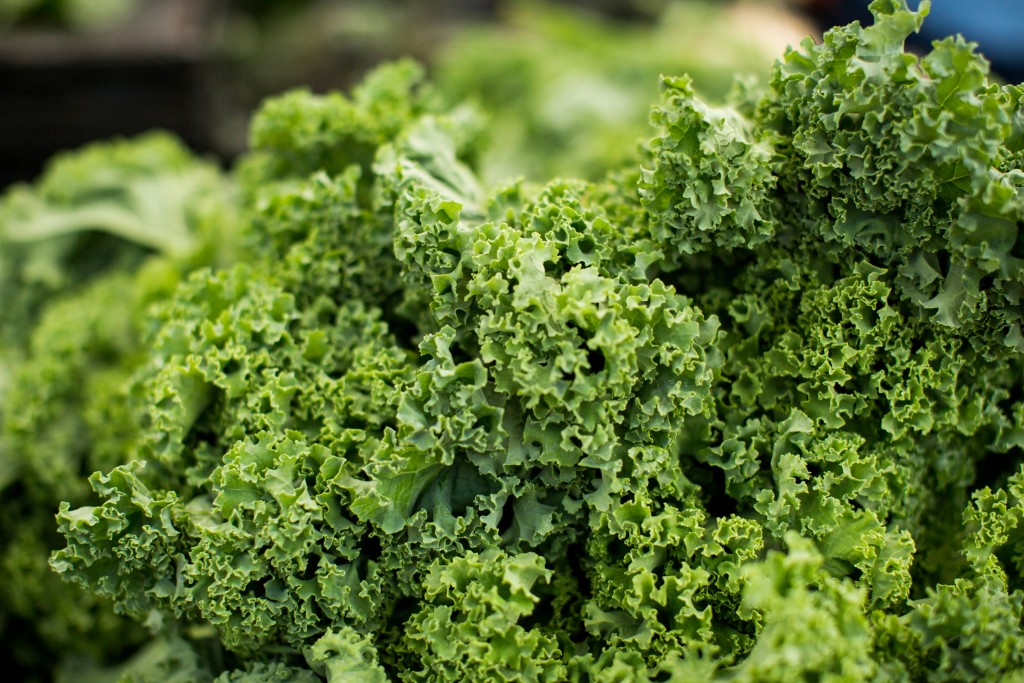
- Dark Leafy Greens: Rich in Vitamin C and magnesium, but higher in oxalates. Kidney stone patients should consume in moderation.
- Dark Chocolate: Moderate intake may aid oxygen supply to kidney capillaries.
- Olive Oil: Rich in monounsaturated fats and polyphenol antioxidants, helping reduce inflammatory responses and protect kidney blood vessels.
- Omega-3 Fish Oil: Such as salmon, sardines, or fish oil supplements, containing EPA and DHA. These can reduce kidney inflammation and improve blood circulation, particularly beneficial for patients with diabetes, kidney disease, and high blood pressure.
5. Don't Wait Until Thirsty to Drink Water; Replenish Fluids Regularly
Water is the kidney's most important "work partner," helping dilute urine, lower kidney stone risk, and promote the excretion of metabolic waste.
- Generally, it is recommended to consume 2.5L of water daily. Those who exercise or sweat heavily need additional hydration.
- Urine color can indicate hydration status:
- Pale Yellow: Adequate hydration.
- Dark Yellow: Need to replenish fluids.
6. The Kidney Function Indicator "Creatinine" Is Not Entirely Accurate
During health check-ups, a common kidney function indicator is creatinine (Cr). However, this value is not entirely accurate and can be easily influenced by muscle mass and dietary status:
- Athletes or individuals with high muscle mass may have elevated creatinine levels even with normal kidney function.
- Elderly or malnourished individuals may have low creatinine levels even with kidney damage.
- Dehydration or a high-protein diet can also temporarily raise creatinine levels.
- For a more accurate assessment of kidney function, consider the Cystatin C indicator, which is not affected by muscle mass and can more precisely reflect kidney health status.
7. Lifestyle Habits to Maintain Kidney Health
In addition to diet, lifestyle habits greatly impact kidney health. Key kidney-protecting habits include:
- Avoid smoking.
- Control alcohol intake.
- Maintain a healthy weight.
- Exercise moderately.
- Stabilize blood sugar and blood pressure (diabetes and hypertension are primary causes of kidney disease).
Kidney Disease/Kidney Failure: 10 Early Symptoms Are Often Unclear
According to information from the Hong Kong Hospital Authority, the main functions of the kidneys include excreting waste products from metabolism, coordinating body water, electrolytes, acid-base balance, blood pressure, producing erythropoietin, and assisting in Vitamin D production.
When kidney function is severely damaged long-term due to certain reasons, waste accumulates in the body, triggering various functional problems, potentially evolving into chronic kidney failure. However, early symptoms of kidney disease and chronic kidney failure are often not obvious. More common symptoms include:
- Blood in urine / tea-colored urine (hematuria)
- Foamy urine (proteinuria)
- Cloudy urine (urinary tract infection)
- Painful or frequent urination
- Difficulty or discomfort during urination
- Passing small stones in urine
- Polyuria, reduced urine output, nocturia
- Waist or abdominal pain
- Swelling in ankles or eyelids
- High blood pressure
The Hospital Authority reminds the public that kidney failure can affect the functioning of all body organs. When it progresses to end-stage renal failure, it can be fatal without dialysis treatment or a kidney transplant.