Read More


Study reveals one post-meal seated exercise lowers blood sugar by 52pc
27-06-2026 12:00 HKT


Nutritionist warns of 3 trendy coffee drinks that are sugar bombs
26-06-2026 12:00 HKT

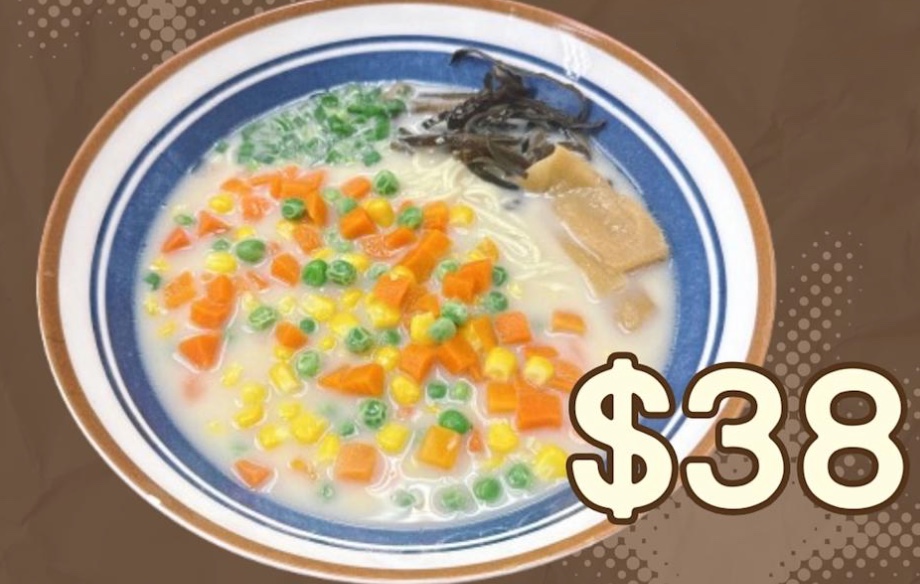
Often dubbed the "king of awful foods," the three-color bean mix (corn, peas, and carrots) is finding new popularity in Hong Kong and Taiwan. After creative dishes like three-color bean bubble tea and chicken cutlets emerged in Taiwan, this trend has officially landed in Hong Kong. A shop in Kwun Tong launched a three-color bean ramen, followed by a popular online bakery releasing a three-color bean cake, sparking heated discussions among netizens. Although netizens often describe the mix as "planetary food waste," dietitians are coming to its defense, using nutritional data to "redeem" the three-color bean: Stop looking down on the three-color bean mix.
The trend was kicked off by the Kwun Tong eatery "Freedom Ramen," which recently announced on Threads the launch of a HK$38 three-color bean ramen. The bowl is generously topped with green peas, corn kernels, and diced carrots, creating a striking visual. Interestingly, the promotional poster stated, "The owner will not recommend this," and added, "You don't have to eat it, but you must treat your friend to it," successfully generating buzz and attracting many customers to take on the challenge.
The popular online bakery "Miss Marble," known for creative cakes, followed up by launching Hong Kong's first "Three-Color Bean Avalanche Cake." When the surrounding acetate sheet is removed, a cream cheese topping mixed with three-color beans cascades down like an avalanche—a visually shocking scene described as the "ultimate nightmare for three-color bean haters." Even the shop owner admitted, "I wouldn't dare put it in my mouth myself."
Often shunned on dinner plates, could the three-color bean mix actually be a hidden champion for constipation issues? Doctors are defending the mix, pointing out that its nutritional value is severely underestimated, especially the green peas, which are extremely high in fiber and a "super teammate" for promoting gut health.
The green peas in the mix are the "fiber kings," aiding intestinal motility and preventing constipation. Taiwanese surgeon Dr. Chung Yun-ni shared on social media that per 100 grams of cooked green peas, the dietary fiber content is as high as 8.6 grams, far surpassing the amounts found in healthy vegetables like carrots (2.3g) and broccoli (2.7g).
Chung explained that a lack of fiber can lead to dry, hard, and difficult bowel movements, potentially causing problems like hemorrhoids in the long run. For modern people short on time to cook, frozen vegetables are a very convenient option, and the often-despised three-color bean mix is a seriously underestimated "nutritional dark horse." Dr. Chung emphasized, "Stop looking down on the three-color bean mix. They're really trying their best!"
Additionally, the three-color bean mix provides vitamin C, beta-carotene, and protein. Past tests by the Hong Kong Consumer Council also indicated that frozen green peas generally contain higher levels of vitamin C and dietary fiber compared to corn kernels.