Acid reflux, also known as gastroesophageal reflux disease (GERD), occurs when acidic stomach contents abnormally flow back into the esophagus, causing symptoms like heartburn, throat discomfort, and chronic cough. Dr. Sze Yuen-chun, a specialist in gastroenterology and hepatology, explained in an interview with Sing Tao Headline that these discomforts often worsen after meals or at night, easily leading people to dismiss them as mere "indigestion" or occasional stomach pain. If left uncontrolled and recurring, long-term irritation of the esophageal lining by stomach acid can lead to esophagitis, ulcers, and even increase the risk of esophageal cancer. Therefore, early identification and management are crucial.
What are the Common Causes of Acid Reflux?
Sze explained that at the junction between the stomach and esophagus, there is a "lower esophageal sphincter" (LES). Normally, it functions like a valve, opening during swallowing and remaining closed at other times to prevent acid reflux. When this valve relaxes due to decreased tension or fails to close properly due to dysfunction, stomach acid can more easily flow upward, triggering various symptoms.
Dietary habits are often one of the most common triggers. High-fat, spicy, or overly sweet foods, as well as caffeine and alcohol, can relax the LES. Combined with eating too quickly, overeating, or frequently eating large meals, this increases intra-abdominal pressure, making it easier for stomach acid to be pushed back into the esophagus. For those with naturally slower digestion or weaker gastric emptying ability, prolonged post-meal bloating also increases the chance of reflux.
Lifestyle and physical condition are also significant factors. Obesity increases abdominal pressure, making the stomach more prone to compression and reflux; smoking weakens LES tension; lying down or bending over immediately after a meal also facilitates acid reflux. Excessive psychological stress can affect gastrointestinal motility and acid secretion through the body's stress response, making symptoms more frequent and severe.
Furthermore, certain specific conditions can worsen acid reflux. For example, increased abdominal pressure and hormonal changes during pregnancy, certain medications that irritate the stomach or affect LES function, and structural issues like hiatal hernia can all cause or exacerbate reflux.
Three Major Symptoms of Acid Reflux: Chest Pain Mimicking a Heart Attack?
Sze cautioned that acid reflux symptoms may not always feel like "stomach issues"; sometimes they can be mistaken for heart problems or pharyngitis, so it's important to pay attention to the body's signals.
1. Heartburn
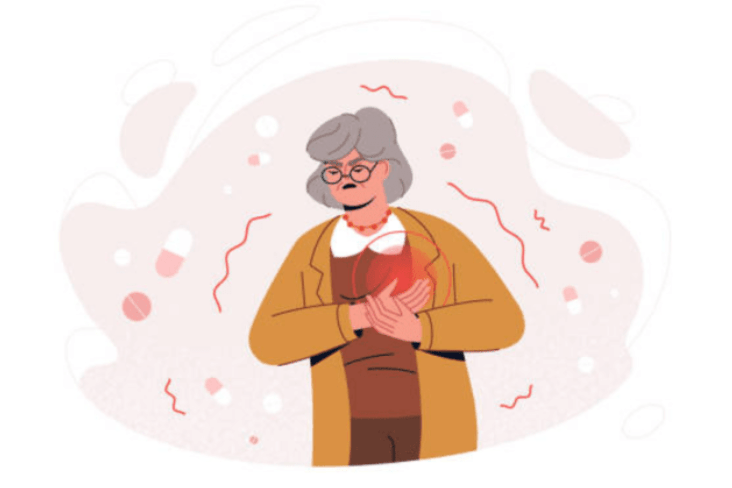
The most typical symptom is heartburn—a burning sensation in the chest or behind the breastbone. It often occurs some time after eating and may worsen when bending over, straining, or lying flat. Some people also experience regurgitation, feeling acidic liquid surging up to the throat or mouth, leaving a sour or bitter taste. This is more common at night, can disrupt sleep, and may cause a sticky mouth or throat discomfort upon waking.
2. Chest Pain
Some patients experience chest pain, ranging from mild to severe. Since the nerve supply of the esophagus and heart partially overlaps, pain caused by acid stimulation can resemble heart discomfort. If accompanied by symptoms like difficulty breathing, cold sweats, or pain in the arms or jaw, seeking medical attention promptly is advised to rule out cardiovascular disease.
3. Difficulty Swallowing
Another warning sign not to be overlooked is difficulty swallowing. Long-term reflux can cause repeated damage to the esophageal lining, leading to inflammation, scarring, and narrowing. Initially, it may feel like solid food getting stuck or not going down smoothly. If it worsens, swallowing liquids can also become difficult. Early assessment is recommended if such symptoms appear; don't delay.
Long-Term Acid Reflux Increases Cancer Risk
If acid reflux is occasional, dietary adjustments may provide quick relief. However, if symptoms are recurrent, persistent, or affect daily life, simply "toughing it out" is not enough. Chronic acid irritation of the esophagus can cause esophagitis, leading to repeated heartburn, pain, and swallowing discomfort. If inflammation worsens, ulcers or even bleeding can form. Repeated repair and inflammation can also lead to esophageal stricture, making swallowing increasingly difficult and affecting nutrition and quality of life.
More alarmingly, long-term uncontrolled reflux increases the chance of cellular changes in the esophageal lining, raising the risk of esophageal cancer. Although not all acid reflux patients will face this issue, it's precisely because this condition is preventable and manageable that early intervention is worthwhile.
How is Acid Reflux Treated? When is Surgery Considered?
Sze advises seeking medical evaluation when acid reflux symptoms occur frequently or begin to affect sleep, diet, or daily work. Clinically, based on the situation, doctors may recommend an endoscopy to check for inflammation, ulcers, or other changes in the esophageal and stomach lining. They might also arrange 24-hour esophageal pH monitoring to objectively measure reflux frequency and acidity. If necessary, esophageal motility testing or imaging studies may be used to rule out other conditions and assess structural and motility issues.
Treatment generally falls into three categories: medication, lifestyle modifications, and in severe or recurrent cases, consideration of surgery. For milder symptoms or lower inflammation levels, medications that suppress or neutralize stomach acid are often used for control, combined with improved diet and habits, which can usually provide significant relief. If poor gastric emptying is also present, doctors may consider prokinetic agents to reduce intragastric pressure.
If symptoms are severe, medications are ineffective, or significant complications have developed, surgical options may need to be discussed. Common methods include surgery to strengthen the "valve" function at the gastroesophageal junction or implantation of devices to enhance sphincter closure. Some endoscopic treatments aim to reduce reflux by creating mucosal contraction. The actual choice of procedure depends on test results, disease severity, and individual circumstances, to be assessed by the doctor.
7 Major Methods to Prevent and Improve Acid Reflux
The core of preventing and managing acid reflux involves reducing factors that relax the LES, lowering intragastric pressure, and properly managing the high-risk periods after meals and at night. Dr. Sze offers 7 major preventive suggestions:
1. Reduce Intake of Irritating Foods and Drinks
Coffee, strong tea, alcohol, carbonated drinks, spicy, and high-fat foods often relax the LES and may stimulate acid secretion. Instead of completely banning them, many people find it more effective to keep a "trigger list" to identify their personal trigger foods, then gradually reduce intake and find substitutes.
2. Adjust Eating Pace and Portion Size
Chewing thoroughly and eating slowly reduces swallowed air and bloating, aiding digestion. Avoid overeating, especially at dinner. Allow time for upright activity after meals, avoiding lying down immediately, which is key to improving nighttime reflux.
3. Maintain a Healthy Weight and Exercise Regularly
Excess abdominal fat increases abdominal pressure, making reflux more likely. Maintaining a healthy weight through diet control and aerobic exercise is often one of the most effective long-term improvement strategies.
4. Improve Sleep Posture and Pre-Bedtime Habits
For those prone to nighttime reflux, elevating the head of the bed by about 15-20cm uses gravity to reduce acid flow. Note that simply using extra pillows may not be effective and can bend the body, increasing abdominal pressure. Allow at least 2 hours between dinner (or late-night snacks) and bedtime to give the stomach time to empty, which can significantly reduce nighttime acid reflux and coughing.
5. Quit Smoking and Limit Alcohol
Nicotine lowers LES tension, making reflux more frequent. Alcohol not only stimulates acid secretion but can also damage the esophageal lining, making inflammation harder to heal. If quitting completely is difficult in the short term, set achievable goals like gradually reducing intake and avoiding alcohol on an empty stomach or before bed.
6. Learn Stress Reduction and Maintain Regular Routines
Stress can disrupt gastrointestinal motility and acid secretion, making symptoms more recurrent. Setting aside regular time daily for relaxation activities—like deep breathing, stretching, yoga, or mindfulness—combined with adequate sleep, is very helpful for long-term reflux control.
7. Avoid Wearing Overly Tight Clothing
Excessive tightness around the waist and abdomen increases abdominal pressure, especially after meals, triggering reflux. Choosing comfortable, breathable clothing without excessive waist pressure is a simple but often overlooked preventive measure.
When Should You Seek Medical Attention Promptly for Acid Reflux?
Sze emphasizes that if reflux symptoms occur repeatedly every week, disrupt sleep at night, or require long-term reliance on over-the-counter medication for relief, a doctor should be consulted for further evaluation. If warning signs like difficulty swallowing, painful swallowing, unexplained weight loss, vomiting blood or black stools, or persistent chest pain occur, seeking medical attention promptly is even more critical to avoid delaying diagnosis and treatment.