The occurrence of cancer is linked to dietary habits. Consuming certain foods excessively in daily life without caution can increase the risk of developing cancer. A doctor points out that frequently eating 7 common types of foods can easily raise cancer risk. Among them, regular consumption of one type of cooking oil may increase breast cancer risk by nearly three times, and a common breakfast item is also on the list.
According to a report by Japanese media Weekly PRIME, Professor Norihiro Sato from the Faculty of Medical Technology at Teikyo University Fukuoka, an authority in cancer treatment, shared that in the past, public understanding of the connection between food and cancer was limited. However, with continuous global research in recent years, 7 types of foods that may increase cancer risk have now been identified. He recommends minimizing intake of these foods to help reduce the likelihood of developing cancer.
What Foods Are Prone to Cause Cancer?
1. Processed Meats
Processed meats like bacon, ham, sausages, and corned beef are common breakfast items. However, they often contain added colorants during production to achieve a vibrant red hue. Research indicates that for every additional 50 grams consumed daily, the risk of colorectal cancer increases by 18%. Eating 3-4 slices of ham or 2-3 sausages daily raises the probability of colorectal cancer by about 20% compared to those who consume none.
Additionally, unprocessed but high-fat meats, including pork belly, beef ribs, chicken skin, sirloin steak, and animal organs, also warrant caution as their saturated fatty acids may increase cancer risk. It is advisable to prioritize lean meat portions like chicken breast and pork tenderloin.
2. Dairy Products
A study involving over 2,000 colorectal cancer patients showed that high intake of low-fat dairy products could reduce the recurrence risk by 40%, whereas high intake of high-fat dairy products increased the recurrence risk by 60%. Even within the same category of dairy products, fat content can lead to vastly different effects, indicating that fat content is likely a key factor determining the cancer risk of dairy products. Results also suggest that high-fat dairy products elevate the recurrence risk of breast cancer, making it crucial to carefully control the intake of high-fat dairy products.
Milk and yogurt themselves are relatively low in fat, and low-fat options are available on the market, so excessive worry is unnecessary. However, products like cream and butter typically have high fat content and should be consumed in moderation.
3. Eating Two or More Eggs Daily
Although eggs contain various essential nutrients, moderate consumption is still advised. A 15-year follow-up study of 4,686 Japanese women found that compared to women who ate only one egg per day, those who consumed two or more eggs daily had a 3.2 times higher risk of dying from cancer. American research also indicates that cancer mortality risk increases with higher egg consumption. Therefore, it is recommended not to exceed one egg per day.
4. High-Carbohydrate Staple Foods
Be cautious with high-carbohydrate staple foods like white rice, udon noodles, and bread. These foods significantly elevate blood sugar levels after consumption. Glucose can fuel the growth and metastatic ability of cancer cells, and the insulin secretion induced by high blood sugar also promotes cancer development. Research has confirmed that cancer patients with relatively high blood sugar generally have lower survival rates, making blood sugar control crucial.
However, excessively restricting carbohydrate intake is not recommended. One survey showed that if carbohydrate intake constitutes too low a proportion of total calories, the overall cancer risk increases by 8%. If one has conditions like diabetes, pancreatitis, cirrhosis, or impaired kidney function, it's important to consult a doctor first, as improper carbohydrate restriction may pose health risks.
5. Foods High in Food Additives
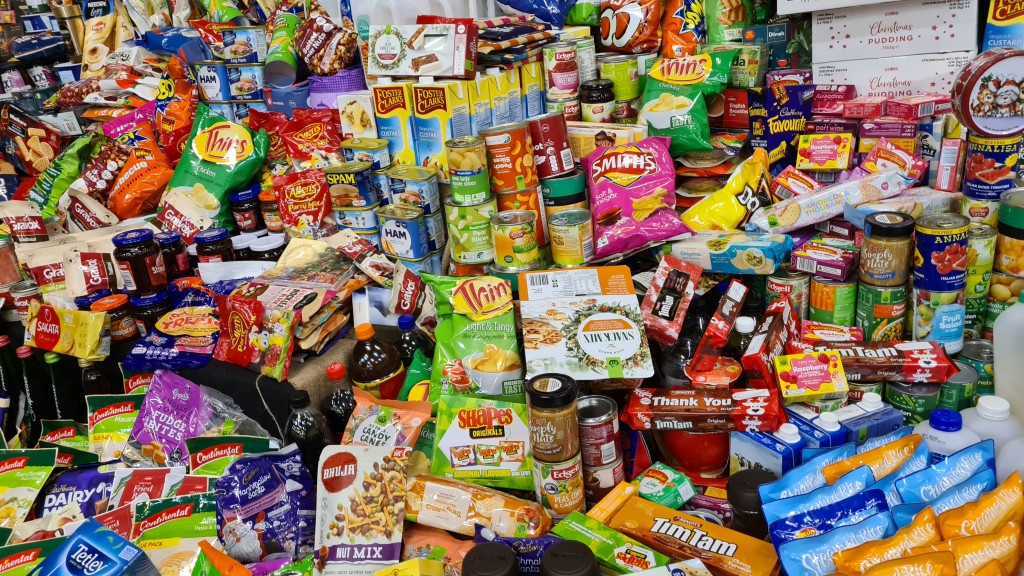
Ultra-processed foods like instant noodles and snacks contain large amounts of additives and preservatives to improve taste, appearance, or extend shelf life at room temperature. Research indicates that people who consume the most ultra-processed foods have a 20% or higher increased risk of developing cancer. Notably, sweet bread, packaged bread, and processed meats like meatballs and chicken nuggets also fall into the ultra-processed food category. If one frequently eats pre-packaged sweet bread for breakfast or often includes pre-cooked chicken nuggets in lunch boxes, attention should be paid to their potential to increase cancer risk. Fast-food burgers also often use processed meats and should be avoided in excess.
Among various additives, nitrites and nitrates (common forms include sodium nitrite, potassium nitrate, and sodium nitrate) are most frequently cited for potential carcinogenic risk. One study found that people with the highest intake of nitrate additives had a 24% higher breast cancer risk compared to those with the lowest intake, while the highest intake of nitrite additives increased prostate cancer risk by 58%. Nitrites and nitrates are commonly used in processed meats like ham and bacon, as well as in fish roe products like mentaiko, cod roe, and salmon roe to enhance color. Occasional, small amounts are not a major concern, but frequent weekly consumption of related products like mentaiko or cod roe requires extra caution.
6. 100% Pure Fruit Juice
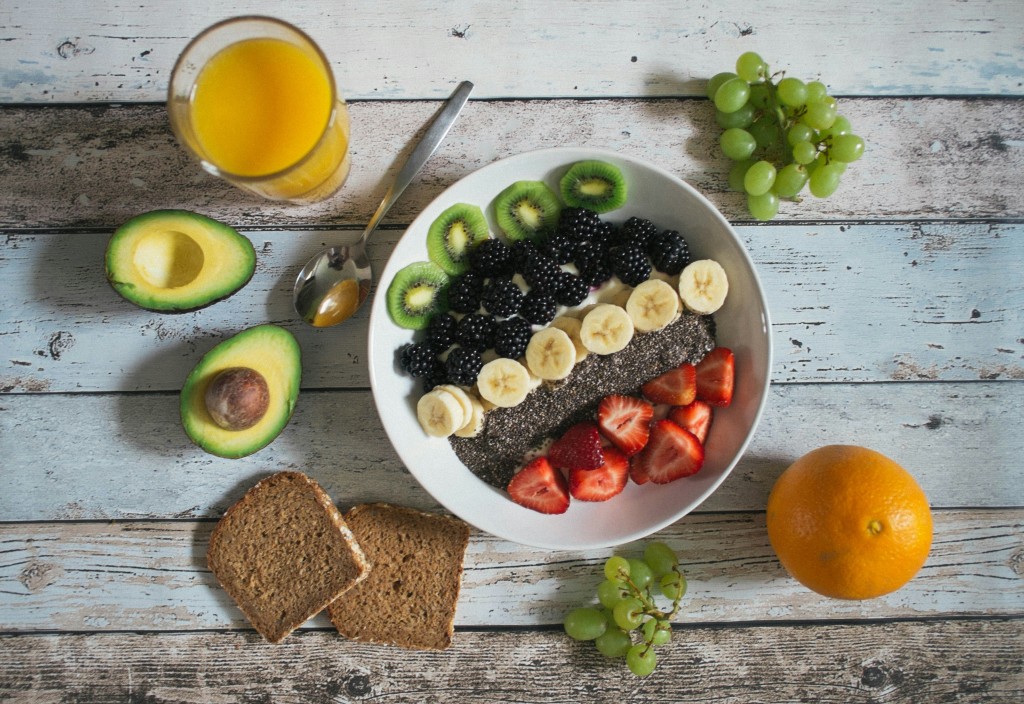
Many fruit juices contain added sugars. One study indicated that for every additional 100 ml daily intake of sugar-sweetened juices or other soft drinks, the overall cancer risk increases by 18%. Even juices labeled as 100% pure have their dietary fiber—which helps prevent cancer—removed during processing, leaving mainly fructose. Furthermore, research shows that fructose in liquid form, especially from fruit juice, is a major factor increasing cancer risk. Therefore, caution is needed even when drinking unsweetened pure juice. It is recommended to eat whole fruits directly to intake natural fiber and nutrients. If one still wishes to drink juice, try using a blender to consume the fruit along with its fiber.
7. Salad Oil or Grape Seed Oil
Most salad oils, such as soybean oil, contain large amounts of linoleic acid, an omega-6 fatty acid. Research suggests it may promote cancer cell growth. A study involving approximately 38,000 women showed that higher linoleic acid intake was associated with an increased risk of hormone-dependent breast cancer, with the highest intake group having 2.94 times the risk of the lowest group. Additionally, grape seed oil requires attention due to its particularly high linoleic acid content.
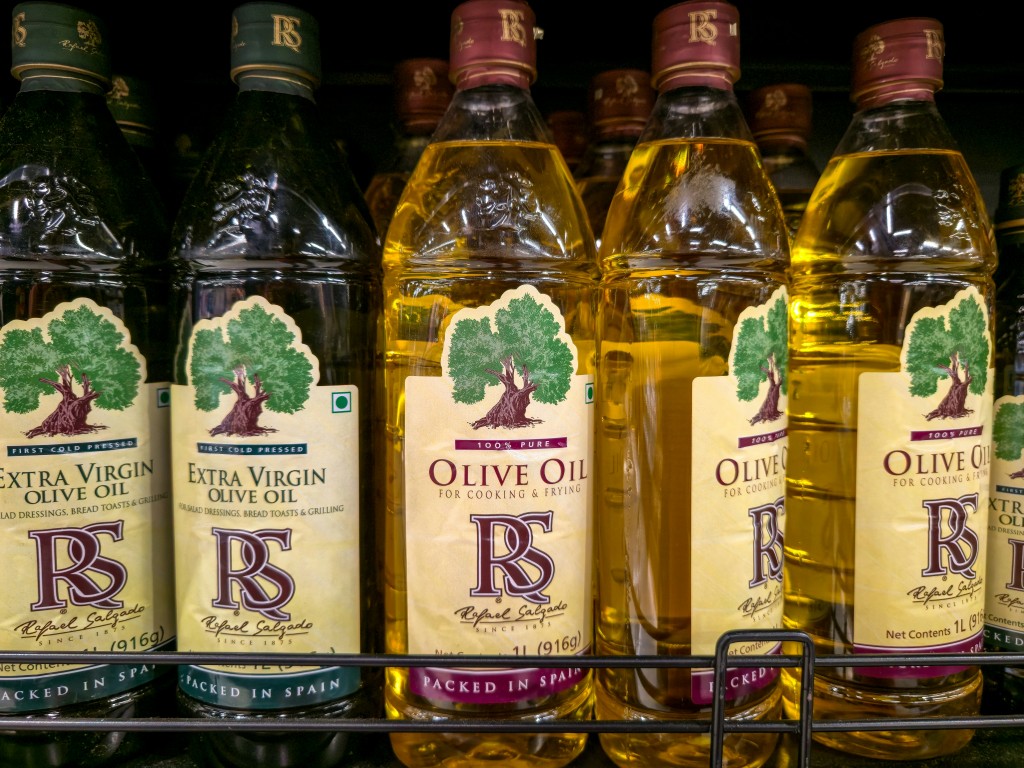
It is recommended to choose cooking oils rich in oleic acid, an omega-9 fatty acid, such as olive oil, canola oil, and safflower oil. Omega-9 fatty acids help suppress bad cholesterol and can slow colorectal cancer growth. Research has found that consuming these oils can reduce breast cancer risk by 68%; a UK study also indicated a 71% reduction in pancreatic cancer risk.