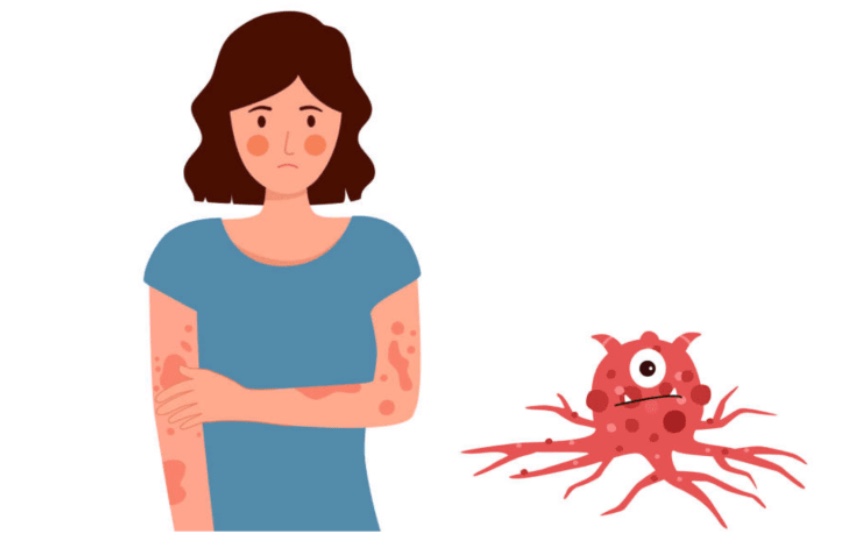
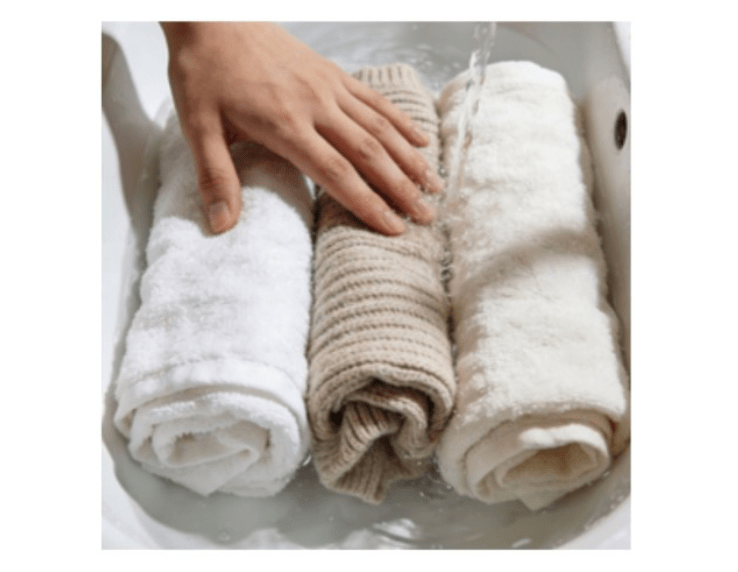
If you notice your child often develops heat rash or hives during winter, a doctor points out that the culprit might be related to a common type of warm clothing they frequently wear, which can easily trigger skin discomfort. When you find red rashes on your child, how should parents provide care to relieve the discomfort caused by the rash?
Pediatric Infectious Disease Specialist Dr. Yan Jun-yu wrote in a Facebook post that as the weather turns cooler, it's common to see children developing red rashes. Many parents anxiously ask, "Doctor, is this an allergy? Or an infectious disease?" After diagnosis, he found that many cases are actually caused by wearing fleece-lined clothing. He explained that while fleece material is warm, it can trigger skin problems in children with sensitive skin or allergic constitutions, mainly due to two reasons:
- Friction Irritation: The synthetic fiber material of fleece is relatively coarse. Direct contact with the skin can cause physical irritation, leading to contact dermatitis.
- Heat and Poor Breathability: This type of material is highly insulating but has poor moisture-wicking properties. When children are active, sweat can easily get trapped inside the clothing, which can trigger heat rash (prickly heat) or worsen hives outbreaks.
3 Major Care Tips to Relieve Rash Discomfort & Proper Winter Dressing
Yan suggests that if a rash has already appeared, the following three methods can help relieve discomfort and improve the rash:
Three Ways to Improve Rash and Relieve Discomfort:
- Avoid Excessively Hot Bath Water: Overly hot water can strip the skin's natural protective oils and may worsen the itchiness of the rash.
- Simplify Cleansing Steps: It's advisable to avoid using too much shower gel or bubble bath products. Gently rinsing with clean water is sufficient to reduce secondary irritation from chemicals on the skin.
- Moisturize After Bathing: After rinsing, while the body is still slightly damp and the skin surface retains moisture, immediately apply a simple, mild moisturizer to help lock in moisture and repair the skin barrier.
Furthermore, regardless of how cold the weather is, Yan recommends dressing children in layers using the "onion method." The first layer of clothing directly against the skin should always be made of pure cotton, which is absorbent and gentle on the skin, effectively protecting the skin barrier. Fleece or warm sweaters can be added as outer layers. This way, warmth is maintained while avoiding direct irritation from coarse materials.
What Are Common Allergens for Hives? Could It Be Chronic If Lasting Over Six Weeks?
According to information from the Medical and Health Bureau, "urticaria" (commonly known as hives or "wheals") is a very common skin condition. Patients develop raised, itchy red rashes on the skin. It can occur at any age, and about 20% of people experience hives at least once in their lifetime. Most rashes subside on their own but can also recur. Generally, urticaria can be divided into acute and chronic types, with acute being the majority. There are also many causes of hives, typically triggered by the body's allergic reaction to specific external substances. Common allergens include:
- Infections (most common): Viruses, bacteria, parasites
- Foods: Milk, eggs, nuts, soybeans, wheat, shrimp, crab, shellfish
- Medications: Salicylates (aspirin), non-steroidal anti-inflammatory drugs, antibiotics, etc.
- Substances: Plants, latex
- Insects: Bees, wasps, fire ants
- Pets: Fur, dander
- Other less common causes: Cold, heat, sunlight, pollen, dust, mold, collagen diseases, malignant tumors, etc.
If the episodes last for more than six weeks, it is termed "chronic urticaria," and the condition can persist for months or years. Additionally, some patients experience recurrent outbreaks periodically, causing them significant mental distress. Unfortunately, the triggers for this type of patient are mostly unknown, and it is often difficult to cure completely.