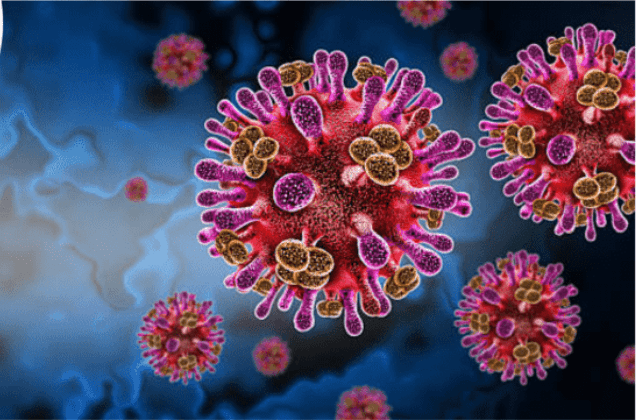
India's West Bengal state recently reported an outbreak of Nipah virus, with at least 5 confirmed cases and nearly a hundred people placed under home quarantine. As there is no preventive vaccine or specific cure for the Nipah virus, and its mortality rate can be as high as 75%, neighboring countries have implemented preventive measures and are on high alert.
5 Cases in India, Human-to-Human Transmission Possible
International media reports indicate that infected patients are receiving treatment in hospitals in Kolkata, the state capital, and surrounding areas. One patient is in critical condition, and those infected include healthcare workers. Neighboring countries like Thailand and Nepal have stated they have strengthened epidemic surveillance to prevent the import risk of Nipah virus.
Nipah virus previously caused outbreaks in Malaysia and Singapore between 1998-1999, leading to over a hundred deaths and the culling of millions of pigs. Subsequently, Nipah virus outbreaks have also occurred in India, Bangladesh, the Philippines, and other countries.
What Symptoms Appear After Infection?
According to the World Health Organization (WHO), Nipah virus is a zoonotic disease transmissible between animals and humans. It can spread to humans through contaminated food or via direct human-to-human transmission. Nipah virus infection was first identified in 1999 during an outbreak among pig farmers in Malaysia and is named after the village where it was first reported. The WHO estimates a case fatality rate of 40% to 75%. There is currently no therapy or vaccine available for humans or animals; treatment is mainly supportive care.
According to Hong Kong's Centre for Health Protection (CHP), Nipah virus infection can be asymptomatic. When symptoms occur, they usually begin about 4 to 14 days after infection, though the incubation period can be as long as 45 days.
Symptoms & Complications:
- Early symptoms include flu-like signs such as fever, headache, vomiting, sore throat, and muscle pain.
- Other symptoms may include dizziness, drowsiness, and reduced consciousness.
- Severe cases may develop complications like pneumonia, seizures, encephalitis (brain inflammation), coma, and even death.
- Among survivors of acute encephalitis, approximately 20% may experience residual neurological issues.
Transmission Routes:
- Primarily through direct contact with respiratory droplets, nasal secretions, or tissues of infected animals.
- Through consuming food contaminated by urine, feces, or saliva of infected bats, often fruits or fruit products (particularly raw date palm sap).
- Human-to-human transmission, mainly through close contact with secretions and excretions of infected patients. Cases have been reported within families and healthcare settings.
How to Prevent Nipah Virus Infection?
The CHP notes that there is currently no vaccine to prevent Nipah virus infection. When traveling to areas affected by Nipah virus, the following measures are advised to reduce infection risk:
- Avoid contact with wild or sick farm animals, especially bats, farmed pigs, horses, domestic and stray cats.
- Avoid visiting bat habitats.
- Maintain good personal hygiene. Wash hands frequently with liquid soap and water, especially after contact with animals or their secretions/feces, and after caring for or visiting patients.
- Practice food safety. Wash fruits thoroughly and peel them before eating. Do not consume fruits that may have been bitten by bats or picked up from the ground. Avoid drinking raw date palm sap, palm juice, or other unpasteurized juices.