November 14th is World Diabetes Day. The government has previously reported that there are approximately 700,000 people with diabetes in Hong Kong, accounting for about 10 percent of the total population. Registered Chinese medicine practitioner Lui Siu-sing, in an interview with Sing Tao Headline, explained the mechanisms, treatment, and prevention of diabetes from a traditional Chinese medicine (TCM) perspective, and shared two soups suitable for patients.
Is Diabetes Equivalent to "Wasting-Thirst"? How Does TCM Treat It?
Lui pointed out that Chinese medicine has recognized diabetes very early on and, in the history of world medicine, provided relatively detailed discussions about it early as well. Diabetes is very close to the disease "Xiao Ke" – Wasting-Thirst – mentioned in the Huangdi Neijing (The Yellow Emperor's Inner Canon). Traditional Chinese medical texts throughout history have researched and developed understanding regarding the etiology, pathogenesis, treatment methods, and prevention/prognosis of "Xiao Ke." TCM believes the core pathogenesis of diabetes primarily revolves around the "Three Wastings" pattern differentiation:
- Upper Wasting (Shang Xiao): Location in the Lungs. Main characteristics are dry mouth, thirst, and a desire to drink large amounts of water.
- Middle Wasting (Zhong Xiao): Location in the Spleen. Main characteristics are excessive eating and easy hunger, emaciation, and dry stools/constipation.
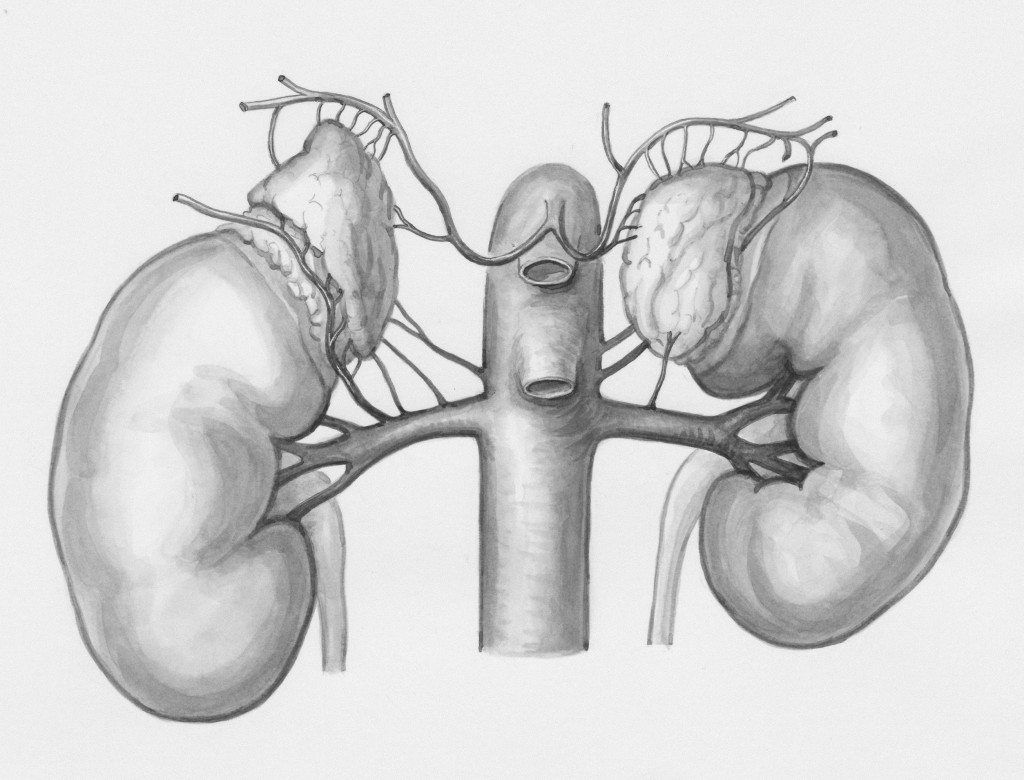
- Lower Wasting (Xia Xiao): Location in the Kidneys. Main characteristics are frequent, turbid urination, sore lower back and weak legs, dizziness and blurred vision. In later stages, lower limb edema, impotence (in men), and cold uterus (in women) may appear.
However, modern TCM research has made significant breakthroughs in the treatment of diabetes, placing greater emphasis on the impact of Qi stagnation and liver depression on the onset of diabetes, and also paying more attention to the blood stasis pathological manifestations that arise during the disease process. Furthermore, TCM has incorporated modern medical theories, using pharmacological research on Chinese herbs to identify a series of single herbs and formulas that have blood-sugar-lowering effects and improve insulin resistance. Therefore, TCM treatment for diabetes combines the achievements of both traditional Chinese medicine and modern herbal research.
Lui reminds us that if one develops diabetes, it is essential to seek treatment early. If diabetes is not properly treated for a long time, and blood sugar remains chronically high, it can cause irreversible damage to the kidneys, eyes, nerves, and heart/cerebrovascular system. Early intervention with TCM, combined with appropriate dietary adjustments, can effectively reduce the dosage of medication required by patients.
Diabetic nephropathy is one of the main causes leading to chronic renal failure and ultimately the need for dialysis. Early TCM treatment intervention can help control blood sugar levels and improve kidney function, effectively delaying the progression of renal failure. Diabetic retinopathy, diabetic foot, and stroke are all common complications of long-term diabetes. Additionally, diabetes can increase the incidence or worsen the condition of cardiovascular disease, hypertension, hyperlipidemia, various skin diseases, and digestive tract diseases. Finally, long-term maintenance of high blood sugar levels also makes the body more susceptible to infections or makes infections more difficult to control with medication, thereby endangering life. Therefore, diabetes must be taken seriously and treated early.
4 Constitutions More Prone to Diabetes
He indicated that the main pathogenesis of diabetes is Yin deficiency with dryness-heat, closely related to the lungs, spleen, and kidneys. Therefore, the following constitutions are more prone to developing diabetes:
- Yin-Deficient Constitution: Manifested as a lean body, dry mouth and tongue, irritability, night sweats, "five centers" heat (palms, soles, chest), flushed face and red cheekbones, and constipation.
- Damp-Heat / Phlegm-Damp Constitution: Manifested as obesity, sticky or bitter mouth, strong body odor, heavy body feeling and fatigue, excessive phlegm and chest fullness, and sticky stools.
- Qi-Deficient Constitution: Manifested as spiritless fatigue, pale complexion, shortness of breath and reluctance to talk, sweating with slight activity, susceptibility to external infections, and tendency towards loose stools.
- Liver-Depressed Constitution: Manifested as emotional discomfort, depression and irritability, distending pain in the chest and rib-sides, belching and stomach bloating, throat discomfort. In women, prone to breast distention or lumps, and irregular menstruation.
2 Recommended Soups for Diabetes to Lower Blood Sugar and Lipids
Diabetes Soup 1: Chinese Yam (Huai Shan) & Solomon's Seal (Yu Zhu) Teal Soup
- Ingredients: Dried Chinese Yam (Huai Shan) 30g, Solomon's Seal (Yu Zhu) 15g, 1 carrot, 1 teal (can be substituted with an appropriate amount of lean pork), 1 large piece of tangerine peel (Chen Pi), 2 slices of fresh ginger.
- Method: Clean the teal, remove the tail, and cut into pieces. Cut the carrot into chunks. Add the teal, Huai Shan, Yu Zhu, Chen Pi, and ginger. Add sufficient water. Bring to a boil over high heat, then turn to low heat and simmer for 1.5 to 2 hours.
- Suitable For: Diabetic patients with Qi and Yin Deficiency pattern, exhibiting symptoms like dry mouth and fatigue.
- Ingredient Effects:
- Huai Shan (Chinese Yam): A commonly used historical herb for treating diabetes. Sweet flavor, neutral nature. Strengthens the Spleen and harmonizes the Stomach, nourishes the Lungs and Yin, tonifies the Kidneys and secures essence. Pharmacological research shows it has blood-sugar-lowering effects and can treat and prevent diabetes.
- Yu Zhu (Solomon's Seal): Sweet flavor, slightly cold nature. Nourishes Yin and moistens the Lungs, benefits the Stomach and promotes fluid production. Yu Zhu has effects such as lowering blood sugar, lowering blood lipids, and anti-oxidation.
Diabetes Soup 2: Bitter Melon, Soybean & Sparerib Soup
- Ingredients: 1 bitter melon, 50g soybeans, 300g pork spareribs, 2 slices of fresh ginger.
- Method: Blanch the spareribs first. Cut the bitter melon into chunks and remove the seeds. Wash the soybeans and soak for 2 hours in advance. Add all ingredients with sufficient water. Bring to a boil over high heat, then turn to low heat and simmer for 1 hour.
- Suitable For: Diabetic patients with prominent Heat signs, such as irritability and thirst, dry itchy skin, and constipation. Not suitable for those with deficient-cold constitution who typically have loose stools.
- Ingredient Effects:
- Bitter Melon: Bitter flavor, cold nature. Clears summerheat and removes heat, brightens the eyes and resolves toxicity, promotes urination and cools blood. Bitter melon contains an insulin-like substance and has a strong blood-sugar-lowering effect. However, due to its cold nature, it is not suitable for those with Spleen deficiency or a deficient-cold constitution.
- Soybeans (Huang Dou): Sweet flavor, neutral nature. Benefits Qi and nourishes blood, strengthens the Spleen and widens the middle, moistens dryness and promotes water movement, unblocks the bowels and resolves toxicity. Modern research finds that soybeans have functions including lowering blood sugar, lowering blood lipids, anti-aging, and anti-oxidation.
Which Daily Habits Easily Trigger Diabetes?
He stated that aside from genetic factors, TCM believes that dietary irregularities are the main cause of diabetes. The Huangdi Neijing says: "Such a person must frequently eat sweet, rich foods and become obese. Rich foods cause internal heat, sweet foods cause abdominal fullness. Thus, the Qi overflows upward and transforms into Wasting-Thirst."
"Rich, sweet, and thick-flavored foods" refer to a diet high in fat, sugar, and calories. Consuming large amounts of such foods, leading to energy intake exceeding daily needs, causes obesity and affects the smooth flow of Qi and blood in the body. Sweet diets more easily lead to the formation of phlegm-dampness, and internal obstruction by phlegm-dampness is an important mechanism in the development of diabetes. Additionally, alcohol consumption easily leads to damp-heat in the liver or gallbladder and spleen or stomach, making it another high-risk dietary habit for diabetes.
Other causes leading to diabetes:
- Prolonged sitting or lying down, lack of exercise leads to sluggish limbs and weak Spleen Qi. Qi deficiency and inability to transform and transport fluids can also lead to internal obstruction by dampness, forming obesity, which then leads to diabetes.
- Emotional depression causes liver Qi to stagnate, disrupting the smooth flow of Qi and blood, thereby leading to phlegm-dampness and blood stasis, which is part of the pathogenesis of diabetes. In modern medical theory, some consider mental stress a main cause of immune system dysregulation, which is also a possible factor in the onset of diabetes.
- Lack of sleep, long-term staying up late. Sleep is a crucial time for the body's self-regulation. Adequate nighttime sleep allows Yin fluids to be nourished. Therefore, chronic sleep deprivation can lead to liver-kidney yin deficiency or yin deficiency generating heat.
TCM Recommendations for Preventing Diabetes
Lui reminds us that paying attention to diet, exercising more, and ensuring adequate sleep all help prevent diabetes:
- Mind Your Diet: Be careful not to overeat or indulge excessively in rich, sweet, and greasy foods. The traditional dietary culture of Southern China, which emphasizes combining different types of foods, more steaming/boiling and less frying, more vegetables and less meat, and an appropriate amount of rice/staple food, is actually an excellent diabetes-prevention menu.
- Exercise More: On one hand, exercise increases the body's metabolic rate, increases energy expenditure, and reduces obesity. On the other hand, exercise increases muscle mass, enhances insulin sensitivity, and helps control blood sugar. Physical activity also strengthens spleen Qi, promotes smooth flow of Qi and blood, and reduces the formation of Phlegm-Dampness and stasis.
- Ensure Adequate Sleep, Live Regularly: Getting sufficient sleep at appropriate times allows the body to rest fully and Yin fluids to be adequately replenished, preventing Yin deficiency with fire hyperactivity or liver-kidney Yin deficiency caused by lack of sleep.