Read More
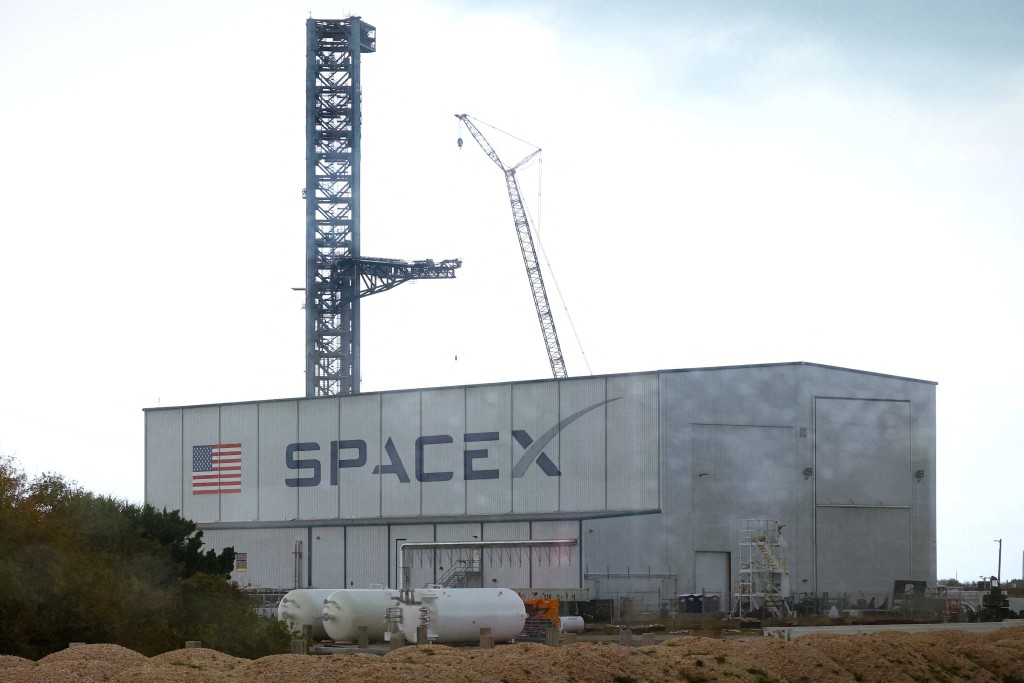



China's fresh fruit and milk tea chain Gu Ming has joined the queue to go public in Hong Kong, trying to lure investors with a profit margin slightly higher than industry leader Mixue Bingcheng.
As Gu Ming's sales growth is slower than the pace of expansion in China's emerging cities, it plans to shift the focus to digitalization and supply chain with a reported fundraising of US$300 million (HK$2.34 billion).
Established in Zhejiang province in 2010, the brand Good Me operated by Gu Ming is China's largest mid-priced tea chain with prices ranging from 10 yuan (HK$10.9) to 20 yuan, and the second-largest brand across all price ranges, only behind Mixue on sales volume and store count.
Selling fruit tea, milk tea and coffee priced between 10 yuan and 18 yuan, Gu Ming garnered 19.2 billion yuan of gross merchandize value last year, up by 37.2 percent yearly.
Gu Ming has around 9,000 stores across 200 cities in the mainland, which are mostly tier-two or below cities. With only six self-operated stores, the franchises contributed 99.9 percent of the chain's GMV.
Revenue for the first nine months of last year jumped 34 percent year-on-year to 5.6 billion yuan, faster than the 26.8 percent full-year growth from 2021 to 2022.
Net profit from January to September soared 2.6 times to 1 billion yuan, though slower than the fourteenfold increase from 2021 to 2022.
Notably, the net profit margin rose to 18.7 percent for the first three quarters, higher than Mixue's 15.6 percent over the same period, though they both achieved rapid expansion in low-tier cities via franchising.
Gu Ming has fared well with its pricing structure.
By selling products that cost twice as much as Mixue's, franchisees earned 376,000 yuan per store in operating profit last year, 10 times the annual disposable income per capita in those areas in 2022.
Another contributor would be its own warehousing and logistics infrastructure, which is claimed to be the largest among its competitors in the mainland, according to China Insights Industry Consultancy.
Gu Ming has 21 warehouses including cold storage spaces and over 75 percent of its stores are located within 150 kilometers of one of the warehouses.
This enables it to deliver fresh fruits, milk and other ingredients to 97 percent of stores.
Sales of ingredients and equipment to franchise partners contributed over 80 percent of its total revenue, with more than 75 percent from goods and about 5 percent from equipment.
Some franchisees owners once pointed out that the fruits sold by the company are 20 to 30 percent costlier than those in other wholesale channels but Gu Ming responded that the fruits they sell are fresher.
But self-developed infrastructure can be a double-edged sword.
Warehouses and transportation costs jumped 71 percent yearly to 70 million yuan in 2022, while depreciation and amortization also jumped 77.5 percent to 48.6 million yuan over the same period.
Moreover, Gu Ming's independence in the supply chain network keeps it away from top-tier cities due to the higher costs of building plants. Unlike Mixue, which has reached Shanghai's central business district, Gu Ming is yet to enter Beijing and Shanghai.
And growth has slowed. Same-store sales grew 9.4 percent last year, much slower than the 35 percent jump in new store openings. The company also missed its target of opening its 10,000th store in the mainland last year.
Gu Ming does not include the expansion in its to-do lists either. With the proceeds, it plans to further digitalize and standardize operating procedures to improve efficiency across the thousands of stores, in addition to supply chain enhancement, brand building and product development.
Goldman Sachs and UBS are the joint sponsors.