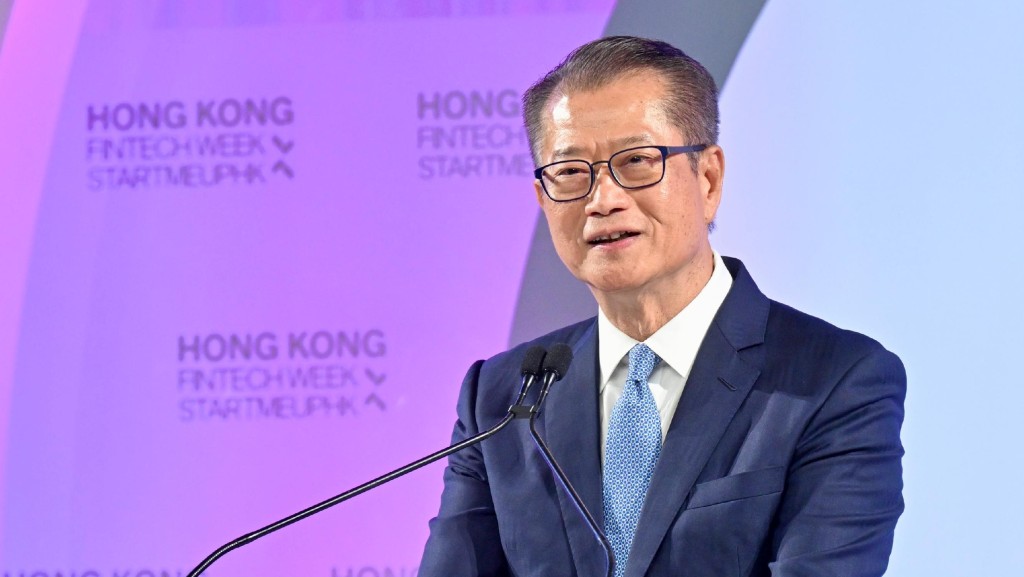
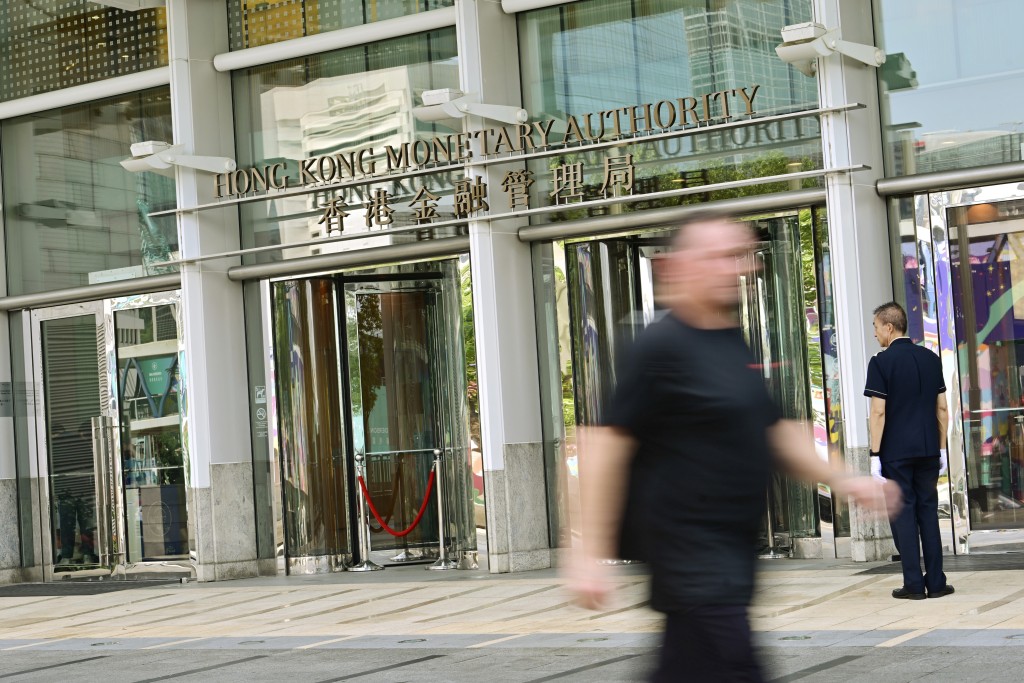
Hong Kong FinTech Week on Monday drew Chinese mainland delegations exploring the city's "super connector" role for companies to go global.
Wang Yu, representative of Peking University Financial Alumni Association, said that the Yanyuan Sci-Tech Innovation Ecosystem has incubated more than 100 early-stage hard-tech projects with an aggregate valuation exceeding 60 billion yuan (HK$71 billion).
Over 30 percent of Peking University-affiliated tech start-ups have clear global expansion plans, with Hong Kong earmarked as a key location for future deployment, Wang said.
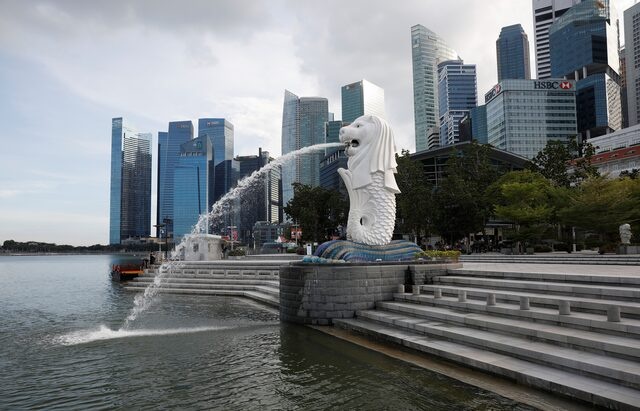
But it does not mean Hong Kong is the single destination for the overseas market, their platform acts as a connectivity hub, tailoring support to each firm's needs and helping them select optimal destinations like Singapore and others across the Middle East, Central Asia, Europe and beyond, he added.
Zhongguancun model inspires Northern Metropolis vision
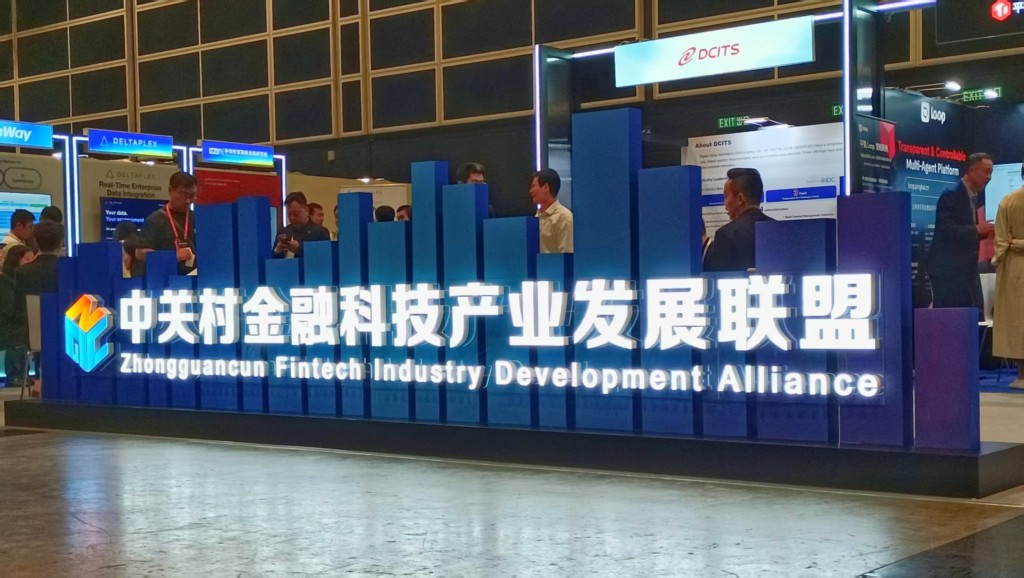
Liu Yong, representative of Zhongguancun Fintech Industry Development Alliance, said that the platform has helped Zhongguancun technology companies set up at Cyberport and Hong Kong Science Park. Around 240 Beijing-based companies are listed on Hong Kong Stock Exchange, accounting for roughly a quarter of Hong Kong's stock market capitalization.
Beijing's Zhongguancun has achieved success on the commercialization of research outputs over the past 40 years, benefiting from top-tier talents in some of China's best universities nearby. With a number of financial institutions, Hong Kong's Northern Metropolis could emerge as a similar engine in the years ahead, he added.
GBA fintechs seek joint solutions and cross-border data breakthroughs
Mu Rong, representative of the Greater Bay Area Fintech delegation, said, "We found firms prefer to team up for overseas expansion now rather than operating independently."
Most fintechs focus on a single part of the workflow, such as risk control, know-your-customer (KYC), core banking or teller systems. By combining their capabilities to deliver bundled end-to-end solutions, they can better satisfy financial institutions' demand for one-stop services. The association would connect them to enable such coordinated overseas expansion, she said.
Several outbound technology companies have set up branch offices in Hong Kong. Some fintech providers serving insurance, securities and asset management sectors have turned profitable, with overseas order volumes exceeding their mainland business, she added.
In addition, the Hetao cooperation zone, as the core testbed for Shenzhen-Hong Kong fintech pilots, has been testing sandboxes to resolve cross-border data bottlenecks.
"We hope to see meaningful breakthroughs in the near future, given strong demand from financial institutions conducting cross-border business and delivering related technical support," she added.
Frank Feng