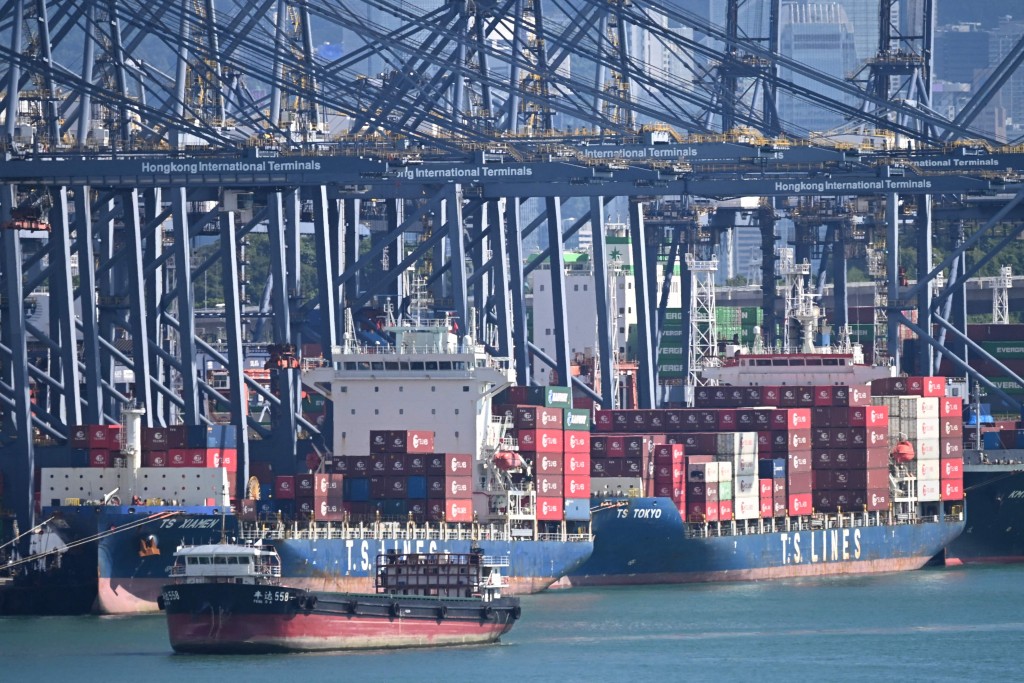
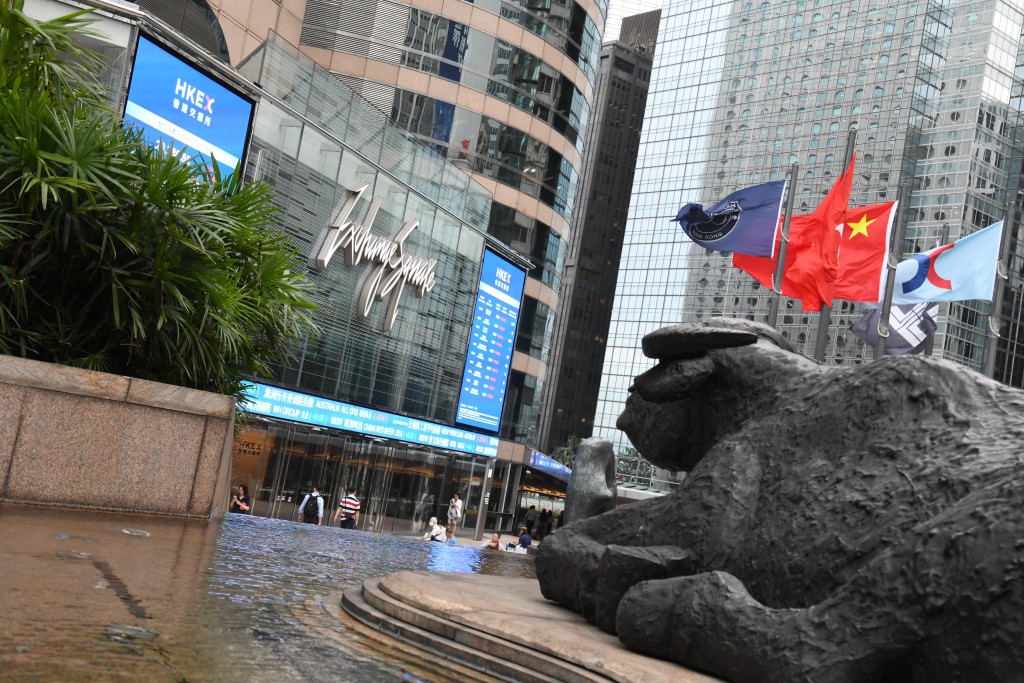
Hong Kong's total export sustained momentum in May to rise 40.8 percent year-on-year, albeit at a slower pace, as global fervour over artificial intelligence development fuelled the demand for AI-related electronic products, data from the Census and Statistics Department showed on Thursday.
The figure was slightly lower than the market expectation of 41.7 percent, while growth also moderated from 42.9 percent a month earlier.
In May, the value of total exports reached HK$611.2 billion, while that of imports jumped by 42 percent to HK$$655.4 billion.
The city recorded a visible trade deficit of HK$44.2 billion, equivalent to 6.7 percent of merchandise imports.
For the first five months, the value of total exports increased by 36.2 percent over the same period in 2025, and the city's imports grew by 39.6 percent during the period.
Exports to Asian markets remained strong, with exports to Singapore surging 114.2 percent, Taiwan by 90.2 percent, Vietnam by 67.8 percent, Thailand by 56 percent, and mainland China by 48.5 percent.
Besides, exports to the United Kingdom and the United States showed robust performance, climbing 61.7 percent and 55.7 percent, respectively.
By commodity, exports of electrical machinery, apparatus and appliances, and electrical parts soared by 56.1 percent in value, followed by a 50.2 percent increase in office machines and automatic data processing machines, as well as a 37.6 percent growth of telecommunications and sound recording and reproducing apparatus and equipment.
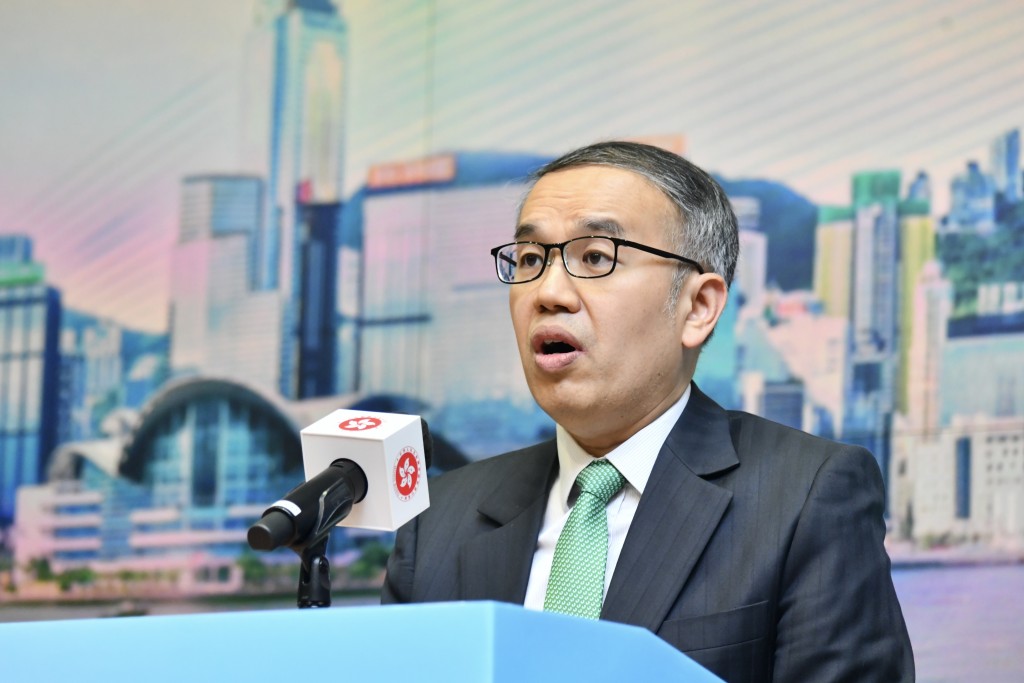
Looking ahead, the still-vibrant global demand for AI-related electronic products should continue to support Hong Kong's merchandise trade performance, while the recent easing of geopolitical tensions in the Middle East has provided short-term relief to the global economic outlook, a government spokesman said.
However, the government spokesman reminded that headwinds remain, and the government will stay vigilant to external risks.
In a response to the strong figures, Hong Kong Trade Development Council noted that market sentiment improved somewhat following the Xi-Trump meeting in Beijing in mid‑May, though concerns over the Middle East conflict lingered.
The tentative easing of tensions after the US–Iran MoU signed in mid‑June - despite potential volatility - together with softer oil prices, is expected to positively impact business prospects, HKTDC added.
"Overall, Hong Kong's trade outlook will continue to hinge on several factors, including the technology upcycle, geopolitical developments, energy prices and global end‑market demand," said Bruce Pang, Director of Research at HKTDC.