





Read More


Eric Tsang and his daughter pocket 8pc profit on The Cliveden home sale
23-06-2026 15:13 HKT
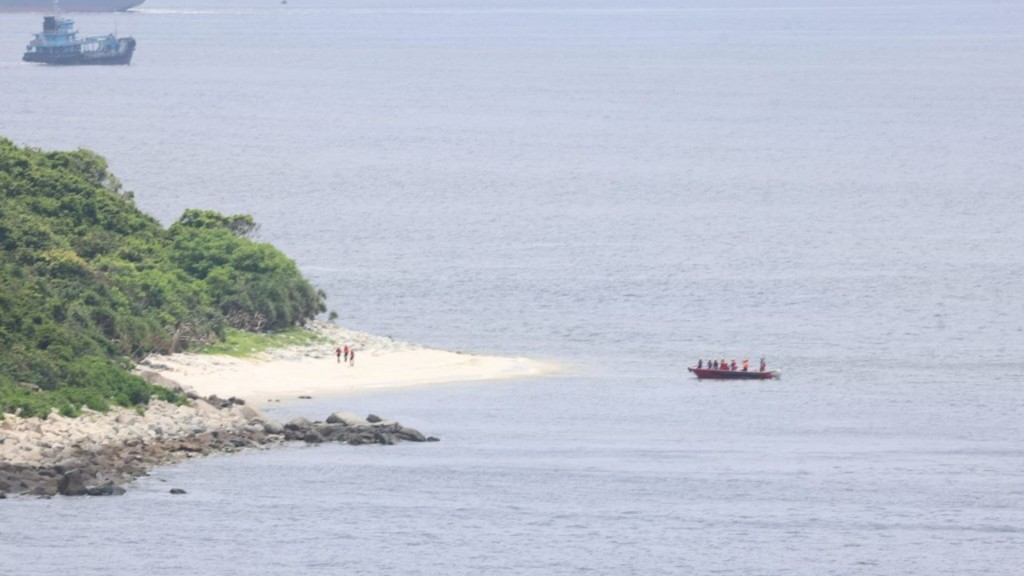
Human skull found hanging from tree on Round Island near Chung Hom Kok
24-06-2026 01:50 HKT


Hong Kong can position itself as an Islamic financial services center for China's Belt and Road Initiative, a local think tank said, as the city’s officials and business leaders revisit Saudi Arabia to strengthen ties with Middle Eastern markets.
According to Pascal Siu, head of green and sustainability at Our Hong Kong Foundation, Hong Kong can facilitate Chinese enterprises in issuing Islamic financial products for Belt and Road nations. He also noted that Middle Eastern capital interested in the mainland could establish offshore international headquarters in the city.
Siu acknowledged challenges due to Hong Kong's small Muslim population, which makes issuing sukuk (Islamic bonds) difficult and costly. He recommended the government lead by example by issuing sukuk again, even regularly, to signal its commitment. The raised funds could support the Northern Metropolis development or green projects.
Beyond government action, Siu suggested encouraging public bodies like the Airport Authority to consider sukuk issuance. He also proposed subsidy schemes and including Islamic finance products in the Mandatory Provident Fund's approved investment list to develop this sector comprehensively.
This push coincides with Financial Secretary Paul Chan Mo-po leading a delegation to Riyadh, Saudi Arabia this week.
Ding Chen, chief executive of CSOP Asset Management, highlighted the difficulties in launching Islamic finance products, recalling the need to recruit global experts.
However, she said this provided valuable experience and confirmed plans to explore more diversified products, including Islamic bond ETFs and REITs, with Middle Eastern partners, potentially launching new offerings next year.
Regarding the timeline for the first Middle Eastern company listing in Hong Kong, she believed more time is needed.
In a related development, the SAB Invest Hang Seng Hong Kong ETF, which invests in the Tracker Fund of Hong Kong (TraHK), was listed on the Saudi Exchange (Tadawul) in late October last year. As of October 17 this year, it ranked as the second-largest ETF by assets under management on Tadawul, capturing 26 percent of the market.
A report indicates that global Islamic finance assets grew nearly 80 percent from 2017 to 2023, reaching almost US$5 trillion (HK$39 billion), and are projected to exceed US$7.5 trillion by 2028.