Read More
During a conference call, management of Tapestry discussed the company’s vision to refresh each of its three brands, including Stuart Weitzman, with the goal of inching back to profitability, CNBC reports.
ADVERTISEMENT
SCROLL TO CONTINUE WITH CONTENT
The plan is to carve out niche audiences in a crowded market for accessories. Each of the brand’s leaders called out past missteps.
“We have placed too much focus on the customer we wanted, and not enough on who our customer actually is [and] what we as a brand stand,” said Todd Kahn, Coach brand president and CEO. “We’re ready to reignite the accessible luxury segment by evolving our message.”
While the company is not offering an outlook for the upcoming fiscal year due to the pandemic, it said it expects revenue to be about in-line with the prior year. It added it expects its overall recovery to be “gradual.”
“I’m confident that Tapestry’s next chapter of growth is ours to write,” Joanne Crevoiserat, Tapestry’s interim CEO, said. “The changing landscape has not changed our priorities, [but] it has been a catalyst to accelerate them.”
In the quarter ended June 27, Tapestry reported a net loss of US$293.8 million, or US$1.06 per share, compared with a profit of US$148.9 million, or 51 US cents a share, a year ago. Excluding special items, the company lost 25 US cents per share.
Net sales dropped to US$714.8 million from US$1.51 billion a year ago.
Analysts had expected a loss of 57 US cents per share, on revenue of US$663.3 million, based on a Refinitiv survey.
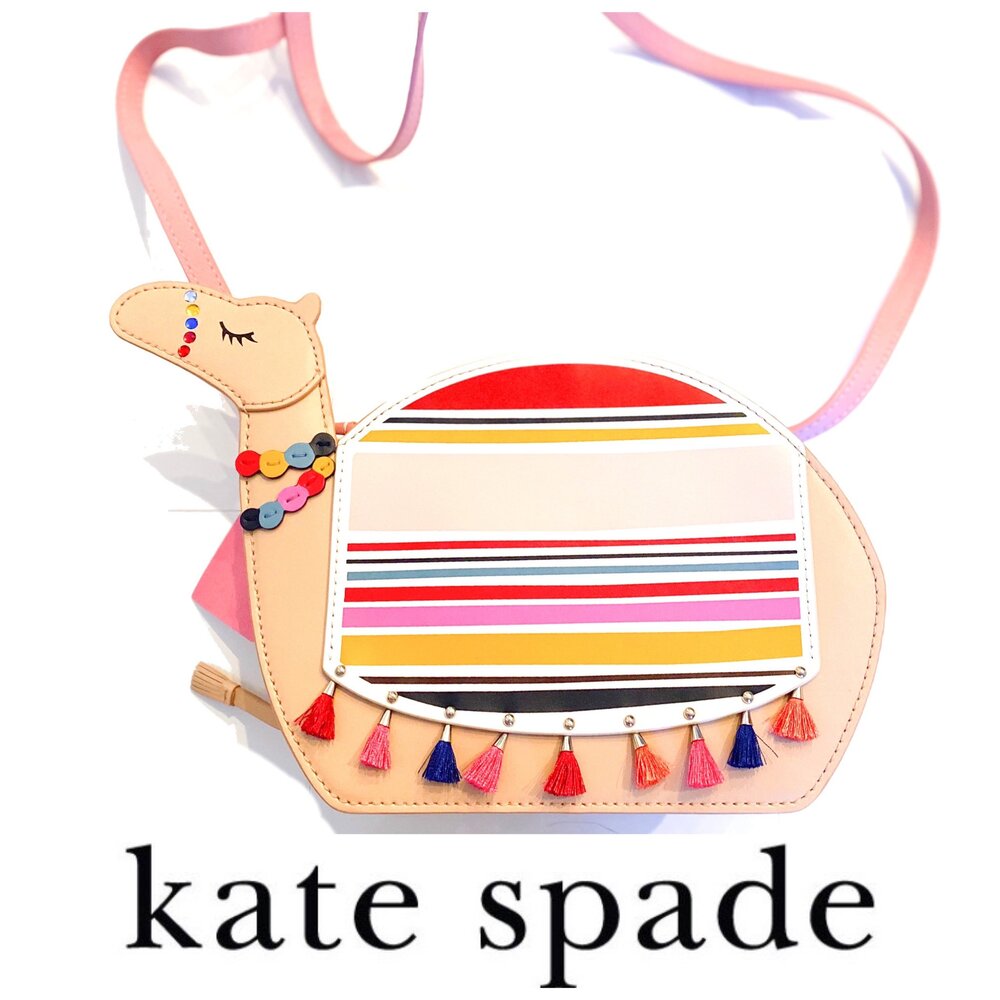
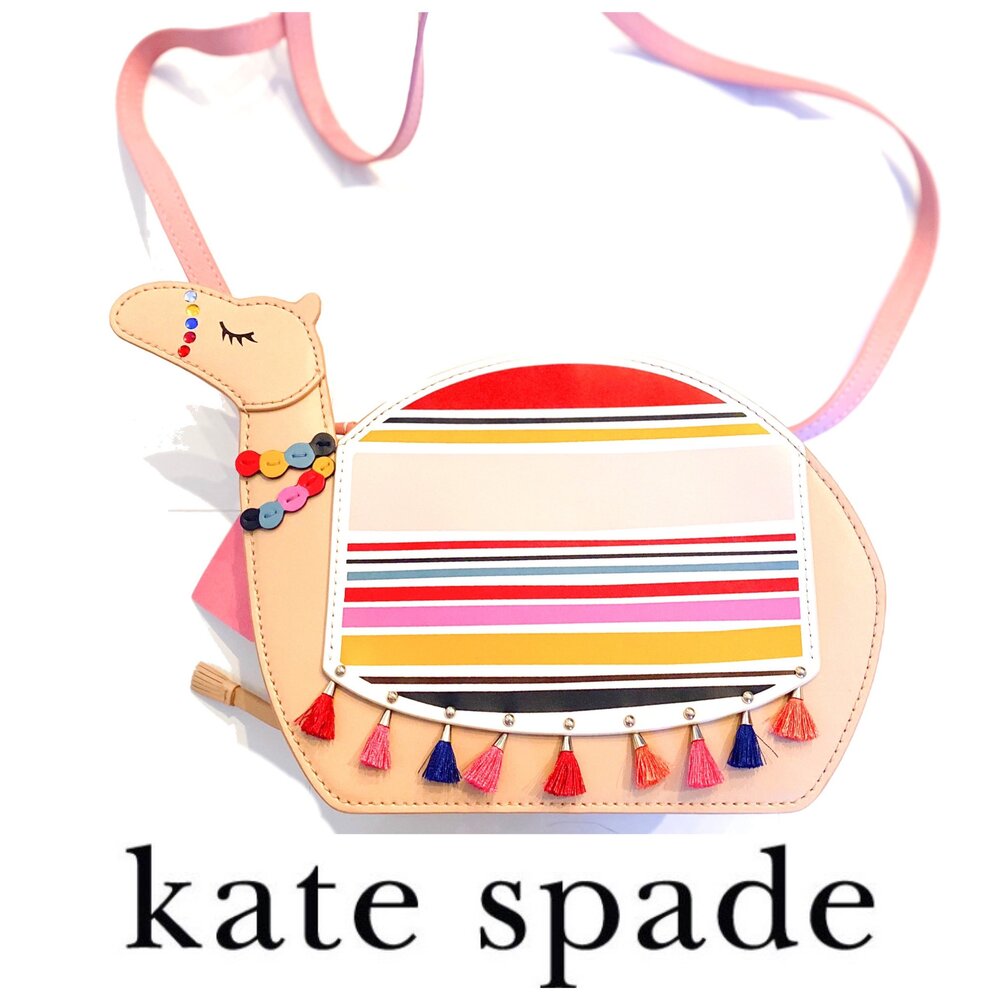
Coach sales fell by 53 percent, while sales at Kate Spade dropped by 51 percent, and sales at its Stuart Weitzman brand plunged by 61 percent during the quarter.
Notably, Tapestry returned to positive year-over-year sales growth in mainland China. Shoppers are returning “slow and steady” to its stores in North America, it said. It has reopened the majority of the stores it operates across the globe.
At Kate Spade, shoppers splurged on pajamas to wear at home, and accessories for bedrooms and offices. Leather handbags were hot at Coach.
Stuart Weitzman chief Giorgio Sarne said the brand is having success designing and selling more casual merchandise during the pandemic.
Gross margins improved at each of the company’s brands due, in part, to fewer markdowns on bags and jewelry. It hopes to keep margins strong, too, by keeping inventory levels lighter. As one example, the Coach brand will have 50 pecent less handbags and items for customers to choose from this upcoming holiday season.
“This reduction is key to greater productivity and clearer brand messaging to the consumer,” Kahn said.
Despite some of the bright spots in Tapestry’s report, the category it competes in will continue to face headwinds.
“While improved gross margin trends are encouraging, we continue to have concerns with the handbag space, given its discretionary nature, lower e-commerce penetration, and reliance on occasions and travel,” Telsey Advisory Group’s Dana Telsey said in a note to clients. “Work remains to be done to improve the Stuart Weitzman and Kate brand positioning while the company searches for a new CEO.”
Crevoiserat, a former Abercrombie & Fitch executive, stepped into the CEO role as the company looks for a permanent replacement. It did not name or discuss a permanent fill Thursday.
Tapestry’s CEO Jide Zeitlin resigned in mid-July as the board began a probe into his personal conduct. He had been chairman since 2014 and had just taken over the CEO role in September from Victor Luis.
To buoy its finances during the pandemic, Tapestry said it cut corporate headcount costs by 20 percent and made other decisions to reduce operating expenses. The company ended the fiscal year with US$1.4 billion in cash and short term investments, including a US$700 million revolver draw down.