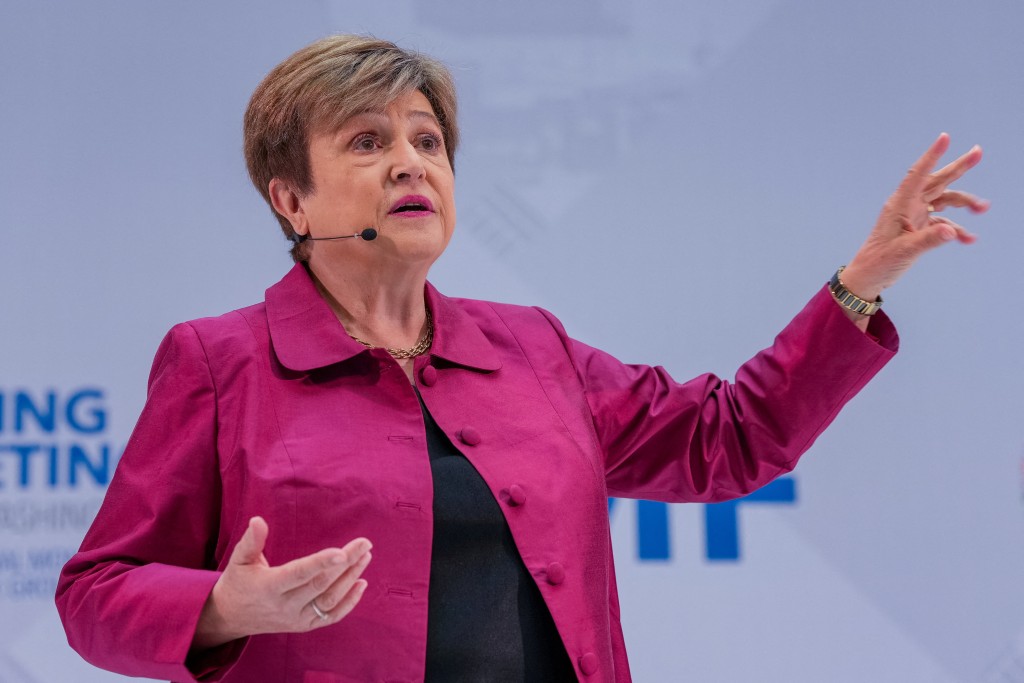
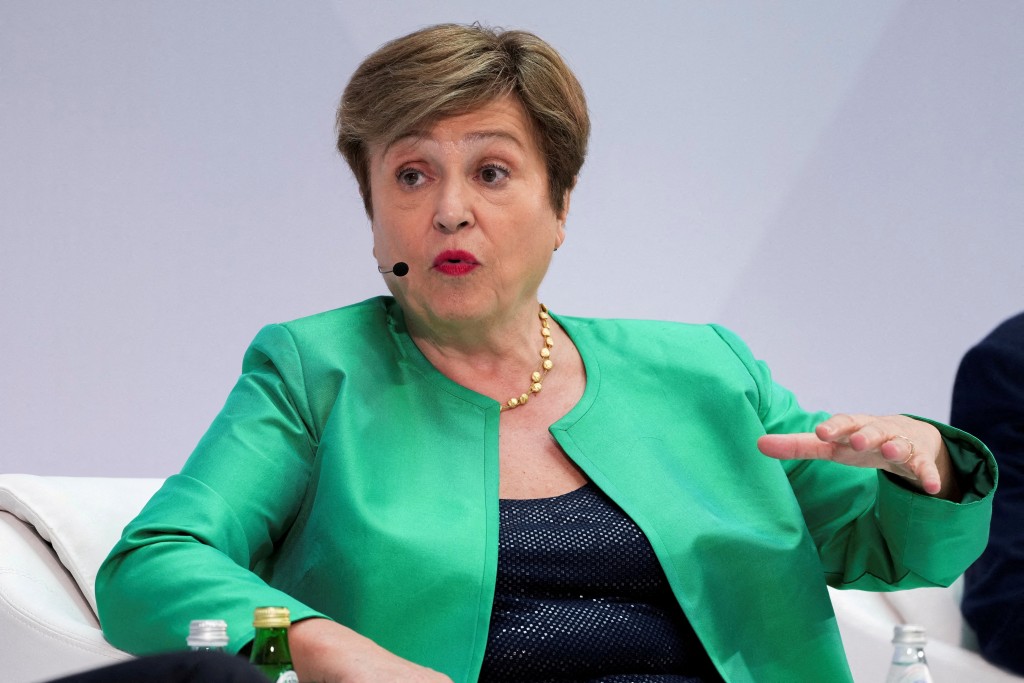
Global prices will take some time to return to levels seen before the outbreak of the US-Israel-Iran war, even if the US-Iran ceasefire agreement holds, Kristalina Georgieva, managing director of the International Monetary Fund, said on Sunday.
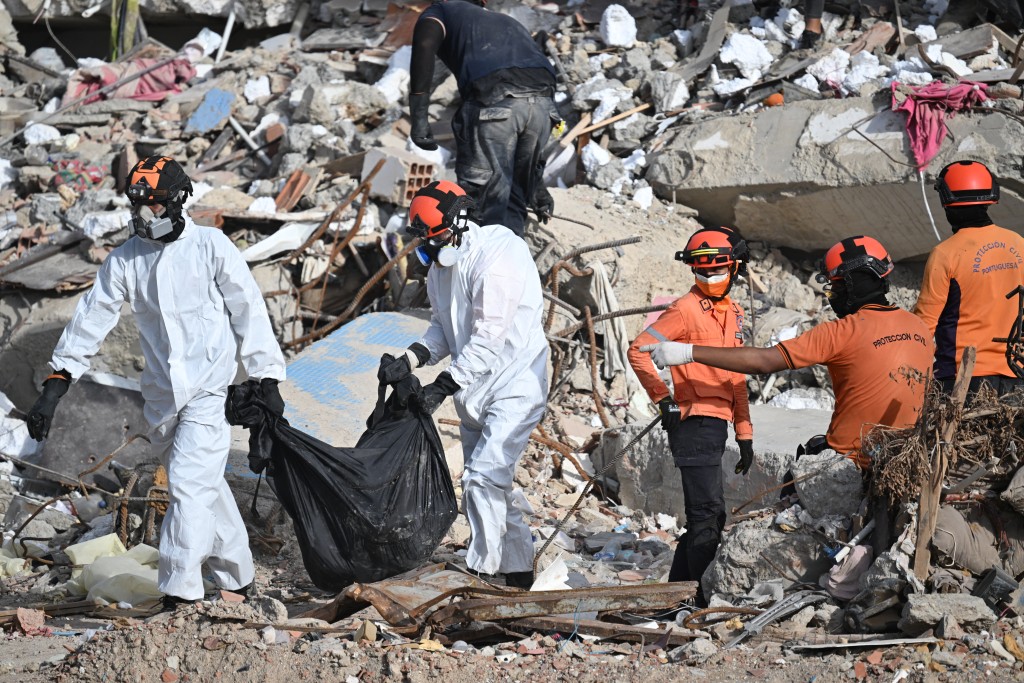
She said recovery will take even longer in regions that have suffered more severe damage, such as the gas field in Qatar, which will take three to five years to reach its full capacity, and reminded the public to bear in mind the asymmetric nature of this shock.
Georgieva reiterated that due to the impact of the Iran war, the IMF will downgrade its global economic growth forecast. The extent of the downgrade will depend on the duration of the war and the speed at which all production activities return to pre-war levels.
Despite the disruptions, Georgieva said the energy shock forces nations to improve their energy supply, such as through greater energy efficiency and diversification.
She also welcomed the upcoming China and the US meeting in mid-May as a positive step to reduce trade frictions, emphasizing that “trade is like water” –it finds ways around obstacles.
Georgieva also addressed several other pressing global issues. She described artificial intelligence as a transformative “tsunami” for labor markets, warning that it is likely to shrink middle-skill jobs, widen inequality, and necessitate major investments in education and workforce reskilling.
In cybersecurity, she highlighted the growing AI-related threats to the financial system and called for stronger international cooperation to mitigate them.
Regarding the US dollar and digital assets, she acknowledged some diversification away from the dollar, including the use of crypto to bypass sanctions, but emphasized that the dollar remains dominant due to the depth and strength of US financial markets.
She also commended Ukraine’s reform efforts and effective tax collection under wartime conditions, urging the international community to continue providing support.