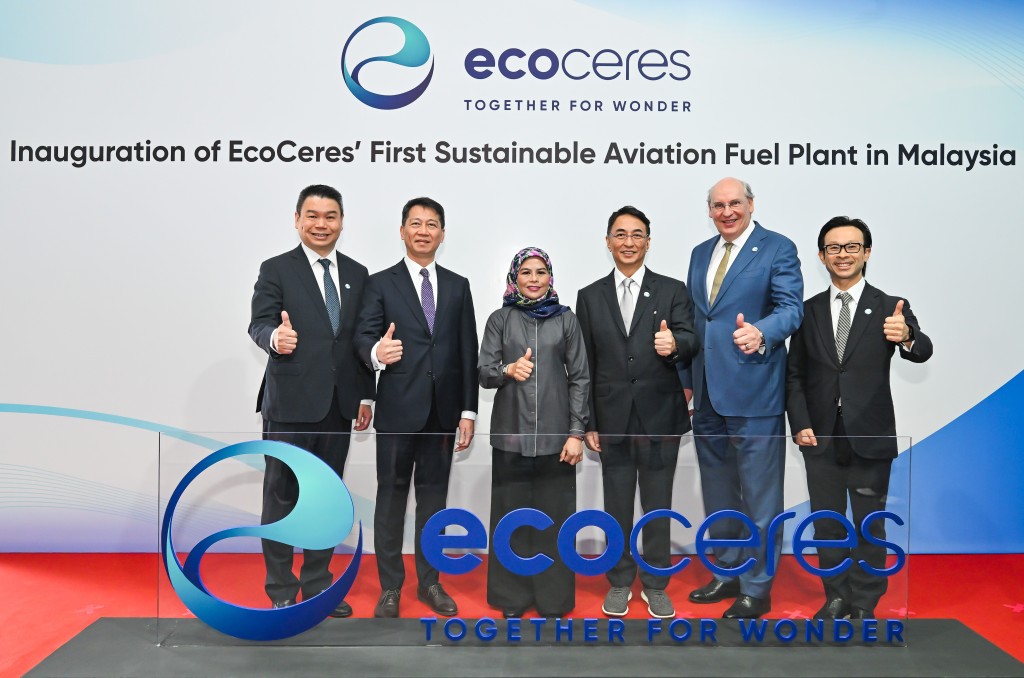
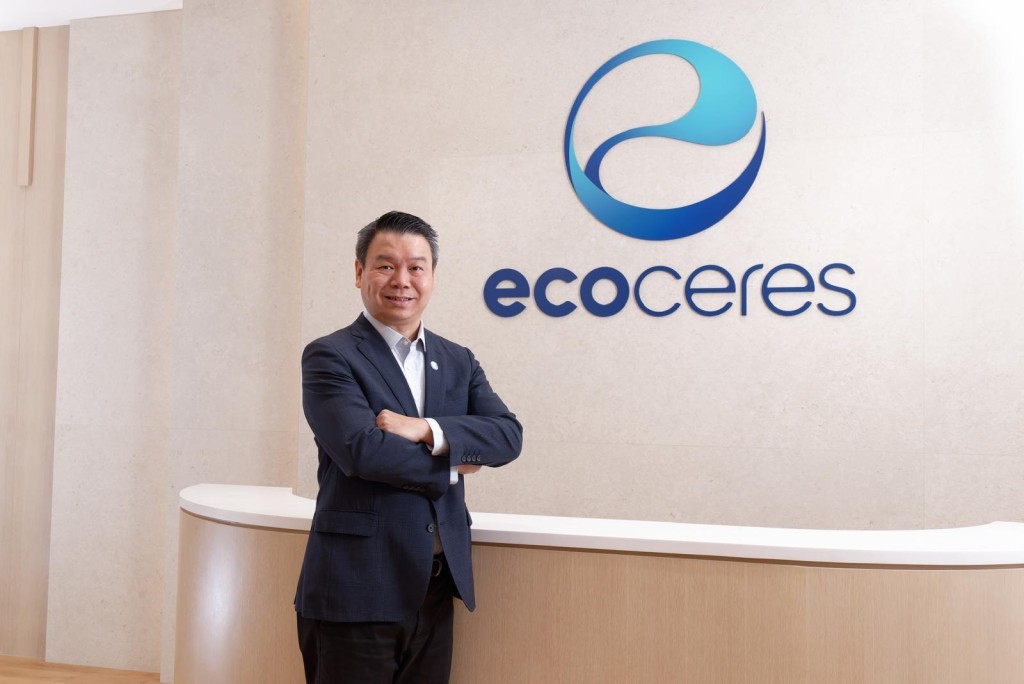
EcoCeres, a Hong Kong-based renewable fuels producer, has opened a sustainable aviation fuel facility in Malaysia, as it bets on a surging demand in the air industry amid the green transition.
The plant in Pasir Gudang, Johor, is Malaysia’s first SAF production plant. It also produces hydrotreated vegetable oil and Renewable naphtha, with a combined maximum production capacity of 420,000 tons per year, the company, backed and incubated by Towngas, said in a statement.
Made from sources such as used cooking oil or agricultural waste, SAF can be blended with conventional jet fuel and used in today’s aircraft without modification.
It could reduce air travel’s lifecycle carbon emissions by up to 80 percent and is expected to deliver the vast majority of the required decarbonization for the industry’s net-zero emissions. Aviation accounts for 2-3 percent of global CO₂ emissions.
The European Union and the United Kingdom have mandated a 2 percent SAF usage at airports in 2025, before increasing to 6 percent and 10 percent, respectively, in 2030. Singapore has also set a 1 percent SAF target for 2026, with a goal to raise it to up to 5 percent by 2030.
Despite a promising future, the biggest hurdles that prevent SAF from being used at a large scale are supply and cost.
Last year, global SAF production was estimated at just 2 million tons, accounting for just 0.6 percent of total jet fuel consumption, according to the International Air Transport Association.
Production is projected to grow to 2.4 million tons this year, or just 0.8 percent of fuel demand.
The industry will require around 500 million tons of SAF in 2050 to meet the emissions target, IATA said.
While EcoCeres did not specify the plant’s SAF production capacity, Towngas said earlier that the facility could produce 200,000 tons of SAF per year, which, together with its Jiangsu plant, would bring annual production to 300,000 tons.
EcoCeres could take up around 12.5 percent of the world’s SAF market share this year, according to The Standard’s calculation based on the data. The company was said to have been considering a Hong Kong listing as early as this year.
Peter Lee Ka-kit, Towngas’ chairman and a founding investor of EcoCeres, said at the ceremony that the clean energy producer’s growth from a laboratory in Hong Kong into one of the world’s leading SAF producers underscored the city’s contribution as a platform for green innovation and investment.
Still, SAF is three to five times more expensive than traditional jet fuels, making it difficult for airliners to absorb the extra costs or pass them on to customers.
At current price levels, the SAF premium translates into an additional US$3.6 billion (HK$28 billion) in fuel costs for the industry in 2025, IATA noted.
To help address the issue, Singapore will impose a SAF levy of between S$1 (HK$6.2) and S$41.6 per passenger from October this year.
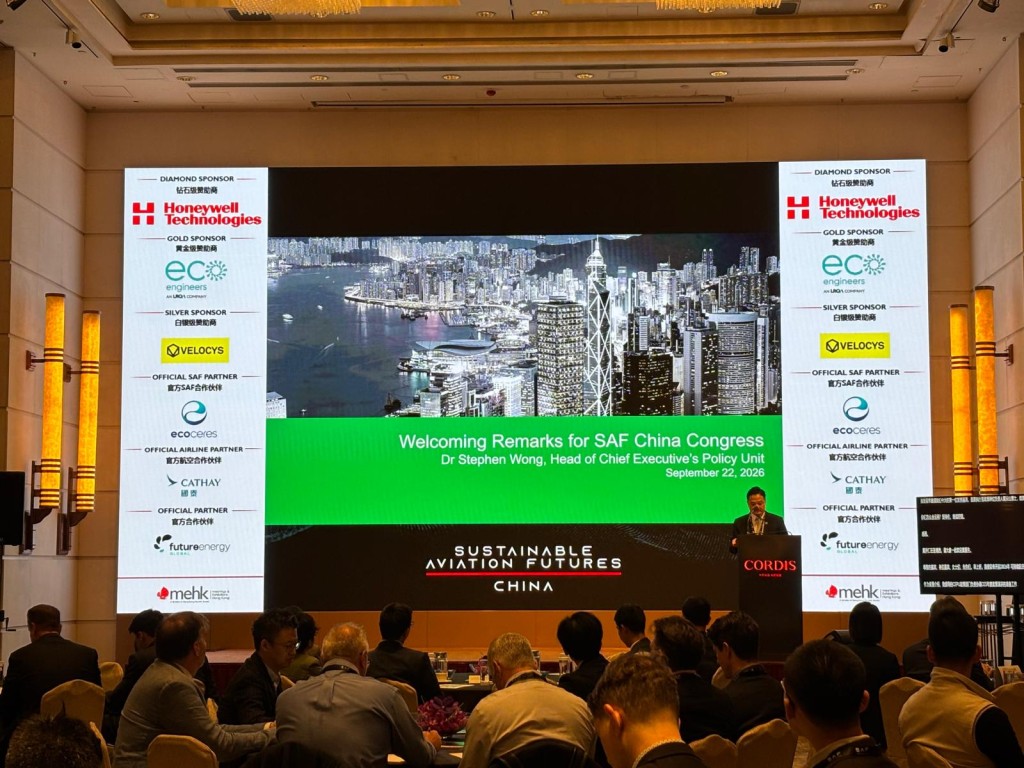
While Hong Kong does not have such a plan just yet, the government has pledged to work with a local enterprise to develop SAF business in the Greater Bay Area, covering upstream collection of raw materials, the setting up of production plants, and large-scale production.
An SAF blending facility will be constructed to boost the competitiveness of the city’s SAF industry and bolster the bargaining power of airlines, authorities have said. The SAR also aims for a 1-2 percent SAF consumption ratio in 2030.