A film inspired by the 2010 Manila hostage crisis will hit cinemas in June, nearly 16 years after the tragedy, with survivor Yik Siu-ling serving as a consultant in a bid to encourage others to stay strong in the face of adversity.
Starring Fish Liew Chi-yu, the newly crowned Hong Kong Film Awards Best Actress, the film Beyond Hostage Crisis has already sparked debate ahead of its release, with some critics accusing the production of reopening old wounds.
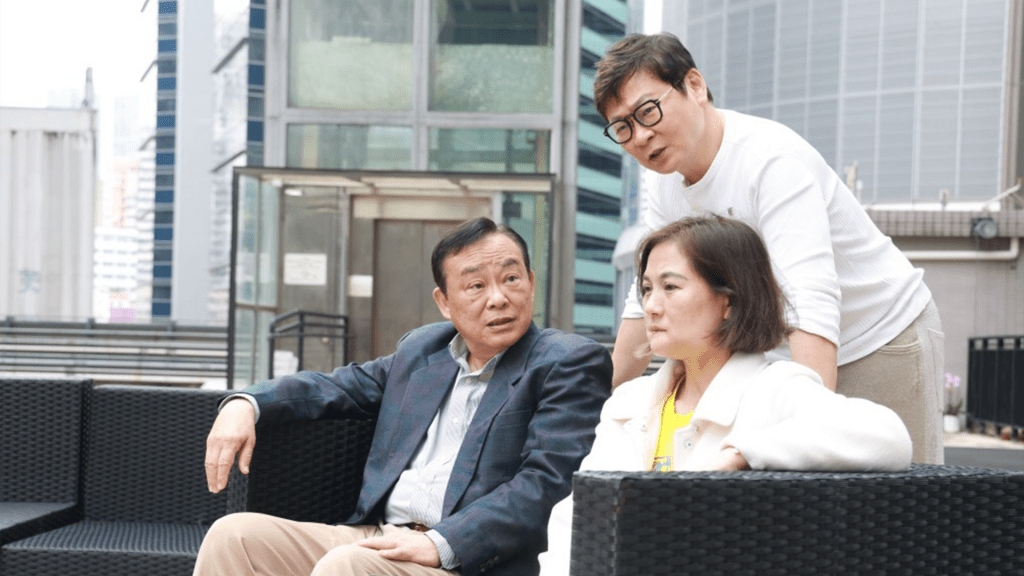
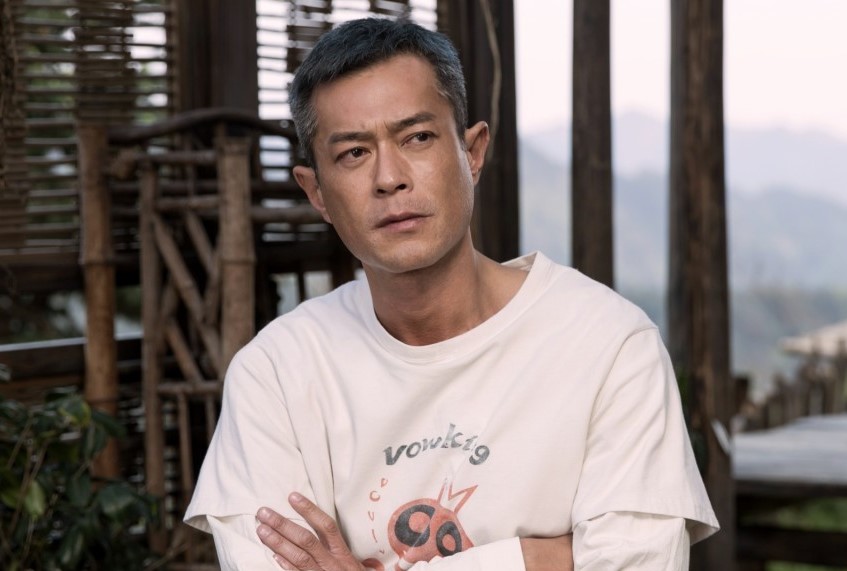
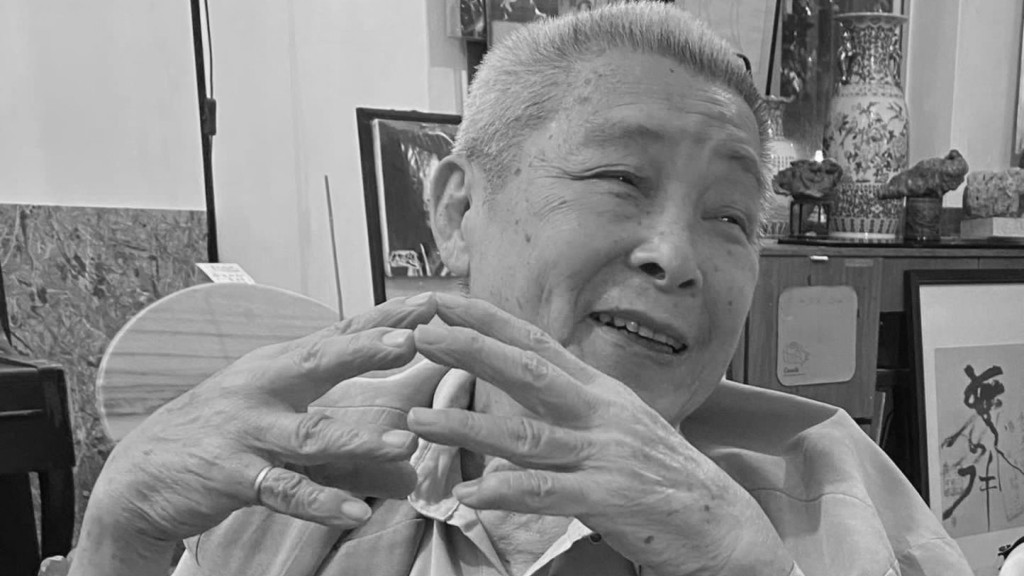
Director Tony Leung Hung-wah, investor-producer Donald Fan Tung and survivor Yik recently spoke to Sing Tao, sister publication of The Standard, about the motivation behind the project.
Leung said the film was never intended to sensationalize the incident, but to focus instead on recovery, resilience and hope.
He said he first learned about Yik’s experience through her eldest son and believed her story deserved to be told because of her strength after the attack.
“She raised her children on her own after coming to Hong Kong from mainland China, and then experienced such a serious tragedy,” he said. “She went through 33 surgeries while continuing to care for her family.”
Responding to criticism that the film could cause “secondary harm,” Leung said traumatic events should not simply be erased from public memory.
“We are not trying to rub salt into wounds,” he said. “The film is about how a person rebuilds her life after trauma.”
For Fan, delivering a message of resilience to Hong Kong people was also one of the film’s key purposes. He said more than HK$10 million had been invested in the production, which also faced repeated delays during the pandemic.
“This was a man-made tragedy,” Fan said. “We hope audiences can reflect on humanity and understand that people can still move forward after suffering.”
Addressing concerns over whether the film could hurt victims and their families, Leung stressed that some victims’ relatives had expressed support for the project, including relatives of the late Masa Tse Ting-chunn.
Yik also defended the film despite admitting it brought back painful memories.
“People may think it is a very negative story, but there is also a lot of love in it,” she said. “The love between family members, friends and couples can heal many wounds.”
She recalled fellow passengers encouraging her to eat during the hostage ordeal so she would have the strength to survive.
Nearly 16 years after the incident, Yik said she no longer held hatred toward the gunman.
“He also had his own difficulties,” she said.
She described the years following the attack as especially difficult because of repeated failed reconstructive surgeries and the emotional toll of living with her injuries.
Support from her family, church community and donations from members of the Filipino-Chinese community eventually helped her recover and undergo further treatment.
Yik now works selling vegetables at a wet market and said the experience taught her to treasure the people around her.
“Being alive today already feels very fortunate,” she said.
Read more: Between healing and harm: film on 2010 Manila hostage crisis sparks debate