Read More
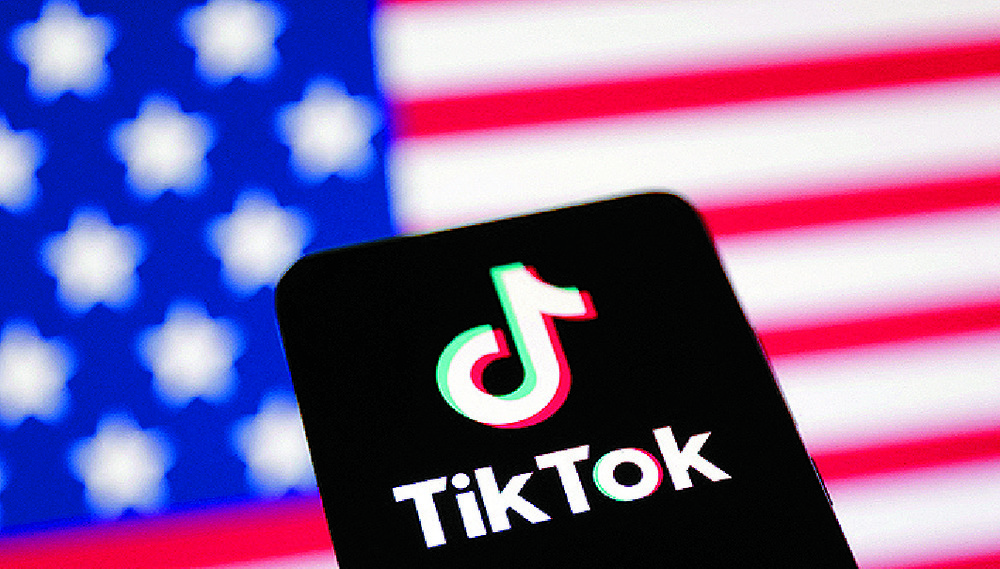
As the clock ticks towards the Saturday deadline for China's ByteDance to sell its TikTok operation in the United States to a non-Chinese buyer, US president Donald Trump appears to be upbeat that a deal will be in place by the deadline.The question is not about commerce - if it were, the question would not have been raised at all. TikTok's algorithm is a state secret allegedly involved in passing users' data to Chinese authorities, an accusation vehemently denied by TikTok.
But outsiders remain skeptical that a deal would be sealed in time.
ADVERTISEMENT
SCROLL TO CONTINUE WITH CONTENT
Recent reports speculate that ByteDance's existing non-Chinese shareholders led by Susquehanna International and General Atlantic, both based in the US, are negotiating to acquire TikTok's American operation, with a small contribution from US investment firm Blackstone.
As the deadline approaches, the possibility of a second wave of 'TikTok migrants' fleeing to Xiaohongshu is not far-fetched.
In January when the ban loomed, over 3 million Americans reportedly flocked to Xiaohongshu, also known as RedNote in the West, in a single day. Downloads of the app spiked but the phenomenon also faded fast with daily users plunging from 1.3 million in January to 800,000 in March in the United States, according to Sensor Tower data.
Could a ban after Saturday, in the event of no deal, reignite that rush? While it is probable, it is less certain that Americans would stick to it.For Beijing, another wave of migrants would be proof that Americans, especially the young generation, are unable to stay away from the app.
The first wave expanded the reach of some Chinese hosts to an audience they may have never contemplated before. With AI-assisted narration in English, short films demonstrating Chinese cooking skills won followers.For instance, a Beijing netizen said he had intended to help more people understand Chinese food culture but, as a result, he opened a door to online communication and learned about the customs of foreign countries. A Sichuan netizen working in the UK also shared his views on the cultural differences between the Chinese and UK.
But the first wave showed that Xiaohongshu does not have a slick English interface.Xiaohongshu's unexpected fanbase could be a gold mine. What happened in January was a rare cross-cultural exchange.
The platform offers China a stage to project soft power. It could spin American users jumping ship as proof of China being a cultural magnet and subtly weave national pride messages in food vlogs. This would be true as long as dialogues are confined to lifestyle, consumer topics and apolitical content.A deal by Saturday would save TikTok in the United States, keeping the status quo. If there's no deal on TikTok, it may be a louder but short-lived sequel for Xiaohongshu.
After the January wave, Americans were reported to have returned from Xiaohongshu to TikTok and trickled back to Instagram Reels and YouTube Shorts, both of which are TikTok-like short-form video platforms.RedNote offers Beijing a stage to project soft power in America.