Read More












ImmD crackdown targets moonlighting domestic helpers arresting 17
19-05-2026 17:52 HKT

One dead, four injured in Jordan flat fire, 200 residents evacuated
22-05-2026 00:48 HKT


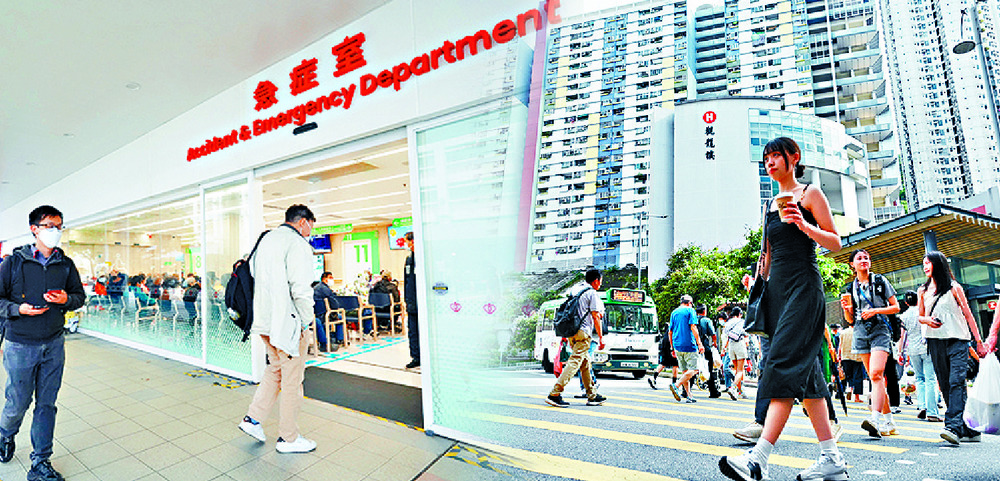
With budget deficits piling up over the years and fiscal reserves shrinking to an estimated HK$647.3 billion as of this month, Hong Kong authorities are rolling out reforms to make public hospitals and housing more sustainable while still protecting those in need.
Starting January 2026, a visit to the accident and emergency ward will increase 122 percent from HK$180 to HK$400. Hospital stays will also rise from a HK$75 admission fee plus HK$120 per day to a flat rate of HK$300 per day. The Hospital Authority believes this will stop people visiting A&E for minor things like colds and even itchy legs.
The good news is that A&E will still be free for the critically ill. The poor and elderly will also be given a HK$10,000 yearly cap on medical bills.
The authority estimates that this reform will narrow the fiscal gap by HK$3 billion a year, a small sum but practical. It is pragmatic when public hospitals are already overwhelmed with patients and their wait times keep stretching.The only concern is that some in the sandwiched segment - not poor enough to claim waivers and not well off enough to see private doctors - would be discouraged from seeking treatment before it becomes too late.
The Housing Authority is also cracking down on public housing tenants who have outgrown government subsidies.While rents like HK$1,500 or HK$2,000 a month - depending on the housing units - is a lifeline for tens of thousands of families, it is only a trivial sum for tenants earning well above the income caps.
The Housing Authority is tightening the rules so that a household will pay 2.5 times the rent if they are earning 2 to 3 times the cap or 3.5 times the rent if earning 3 to 4 times the cap.Tenants earning more than 4 times the income cap will have to pay 4.5 times the rent - meaning a household of four, for example, will pay HK$10,400 a month which is still low.
In addition to that is a requirement to move out after four years if they continue to exceed the cap by as much during the period - again meaning a household of four will have to make HK$124,000 a month or more for four years before they will face the hard kick.What is the logic? The Housing Authority probably thinks that while this will improve the turnover of public housing units, it will rake in HK$1-1.15 billion a year with which it could slow its bleeding. If it is not tamed, the shortfall is projected to deteriorate from HK$1.16 billion this year to HK$4.3 billion by 2027-28 for the Housing Authority.
Both reforms are tough to sell though pragmatic, in the face of the uncertain economic outlook facing employees, a situation complicated by miserable land sale results.Hong Kong is walking on a tightrope. The hospital fee and housing rent reforms offer some repairs. But they are just too limited for the huge fiscal gap - unless there are new revenues coming in significant scale.
Elon Musk is leading the charge to slash US$2 trillion (HK$15.6 trillion) from the US government budget with a chainsaw. Without new revenues, Financial Secretary Paul Chan Mo-po will have no choice but to take a cue from Musk, at least in spirit if not in radicalness.