Read More
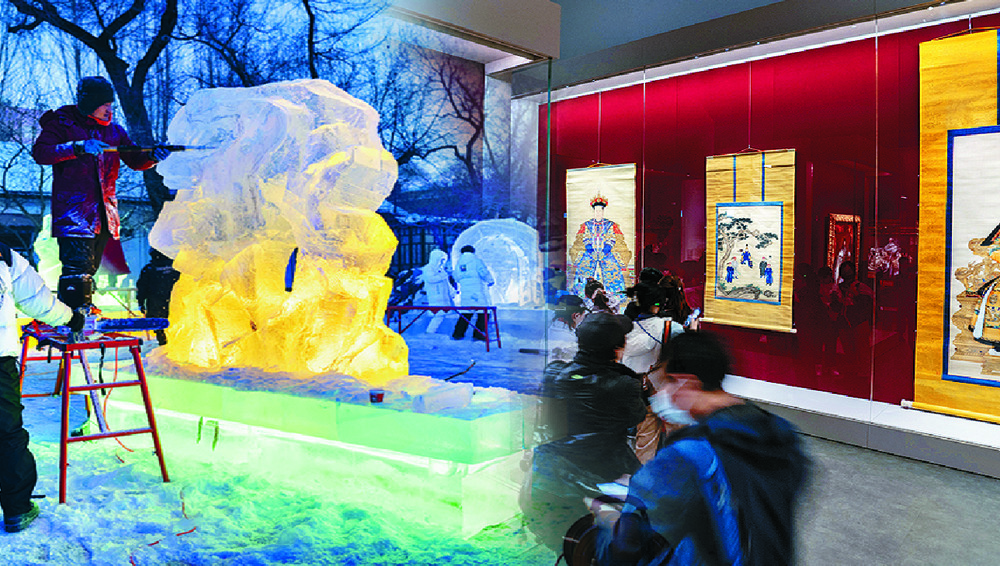
National Cultural Heritage Administration director Li Qun has revealed mainland departments are actively working on the 15th Five-Year Plan, expecting more cultural and cinematic products to be introduced to Hong Kong.Li was apparently optimistic. The Hong Kong Palace Museum has over 900 artifacts and many are being displayed in Hong Kong for the first time. The recent success of Nezha 2 suggests Hong Kong may define its role as a production and exhibition hub for products that resonate with locals and visitors.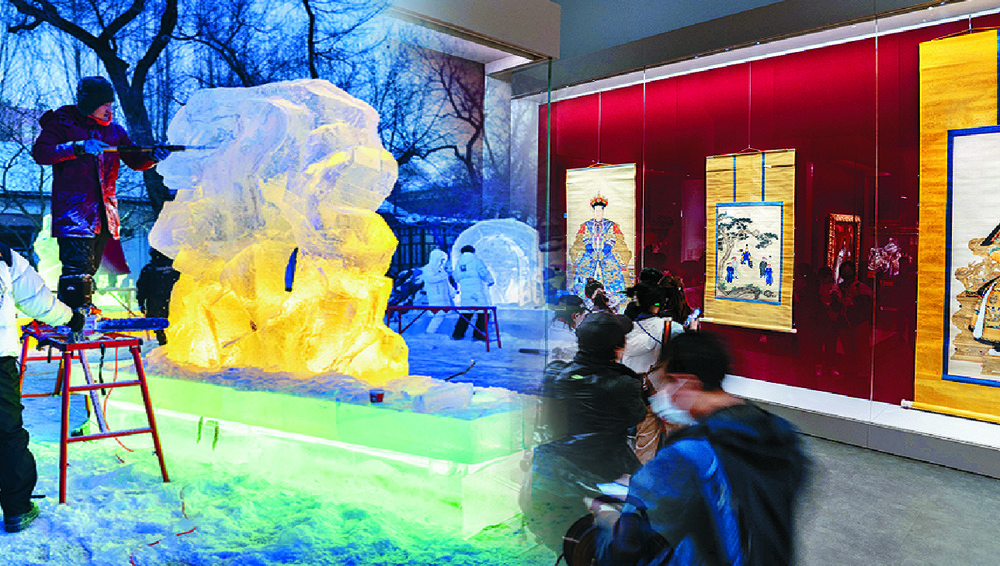
With this, can Hong Kong define itself beyond finance? Beyond animated films like Nezha 2, can it use its museum assets and digital technology to build an industry out of culture?
ADVERTISEMENT
SCROLL TO CONTINUE WITH CONTENT
Nezha 2 and video game Black Myth: Wukong have shown modern story-telling rooted in Chinese mythology can be captivating. It is obvious that Li had these in mind when he called for more cinematic projects at the West Kowloon Cultural District.
Hong Kong is capable of doing so. While giants such as Google have the technology that could enhance the experience of virtual museum tours with augmented reality exhibits, museums including M+ are well positioned to complement this despite concerns over WKCD's finances.
In the UK, Arts Council England has an established strategy known as 'Let's Create' integrating arts and technology. The policy seeks to make England a country where everyone's creativity is valued and given a chance to flourish and where everyone can access high-quality cultural experiences.
Indeed, Hong Kong need not look too far for inspiration. Harbin may be a perfect fit if the cultural products of Britain, Japan or South Korea offer economically successful but politically incorrect offerings.Who would have imagined Harbin could turn its icy winters into a gold mine through a festival?
The Harbin International Ice and Snow Sculpture Festival has become a major global event blending cultural heritage with tourism. The surge has been possible due to viral intensive social media campaigns, ice sculptures and winter sports. The city has transformed the deep freeze into an identity that resonates with locals and sightseers.Hong Kong may adapt this, but must know where its distinct identity lies. Former and current government officials have repeatedly stated Hong Kong is a place where the East meets the West. Is it still true? What can it do to enhance this further?
The administration announced its Tourism Blueprint 2.0 in January with a view to achieving a 60-percent growth in value-addition by 2030 through culture and events. Maybe it can draw from Harbin's event-driven approach to create some kind of culture-sports hybrids for the city.The new Kai Tak Sports Park can prove to be a valuable addition in this respect. It could be used to host cultural-sport events when the WKCD leverages art and tech.
All the successful examples have a common thread: a resonance related to distinct roots. Harbin's winter-economic model stays true to its roots while turning its cultural assets into an economic driver.Harbin's winter festival resonates with both locals and tourists.