Read More



ImmD crackdown targets moonlighting domestic helpers arresting 17
19-05-2026 17:52 HKT

One dead, four injured in Jordan flat fire, 200 residents evacuated
22-05-2026 00:48 HKT
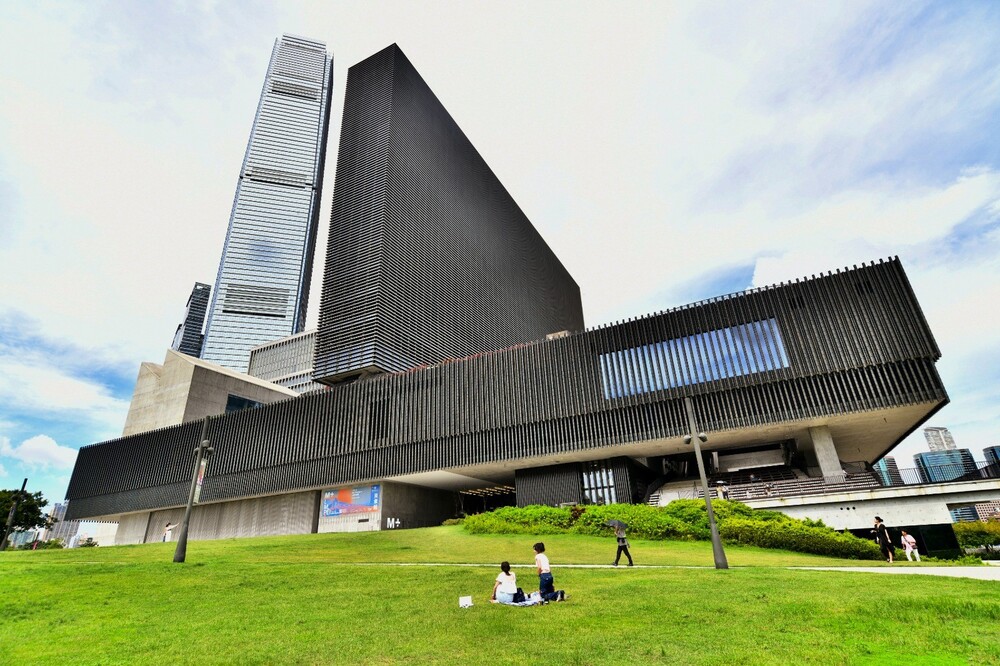
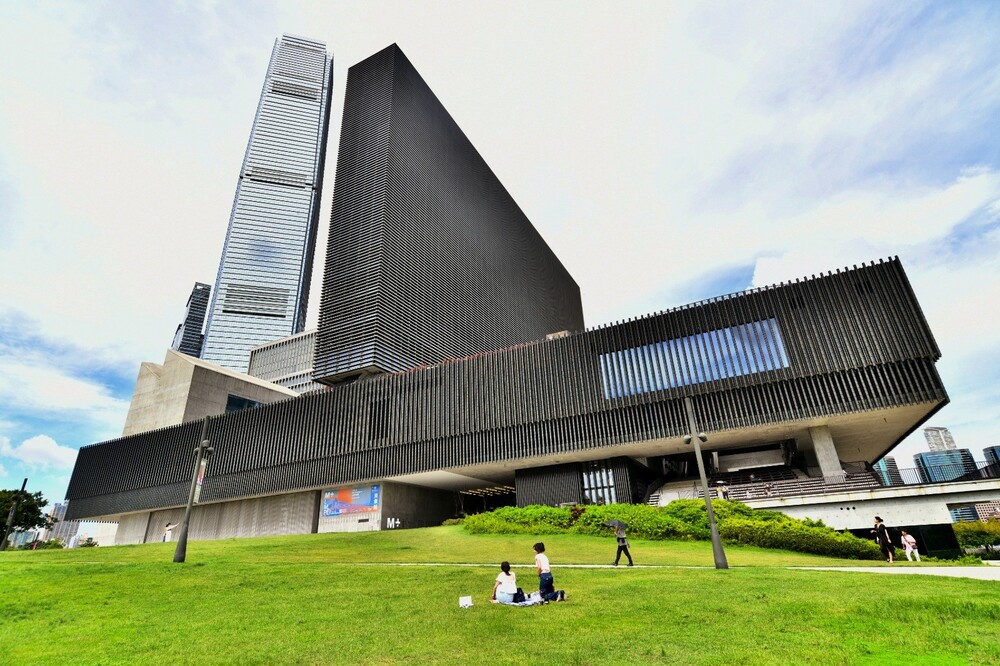
The West Kowloon Cultural District Authority is set to strike a significant breakthrough with its museum M+ being about to sign a memorandum of understanding with one of the world's most prestigious museum -- the Museum of Modern Art in New York -- despite its present challenging financial position.
The agreement will strengthen Hong Kong's world cultural ties -- the significance of which cannot be overstated in view of the current geopolitical situation.
If art and culture have always served as bridges between different nationals and fostered understanding, the partnership would put the M+ and Hong Kong Palace Museum in a better position to promote such understanding at time of high political tension.
Perhaps one can call it cultural diplomacy.
The MOU due to be signed may remind one of other successful examples of cultural exchanges. For example, the partnership between the British Museum and the Louvre Museum has led to joint exhibitions and educational programs.
Hong Kong has a rather unique role to play in bridging the East and West. To the best of my knowledge, the MoMA has not signed any MOUs with Chinese museums in the mainland.
The SAR is supposed to enjoy a special status under the "one country, two systems" arrangement. This should allow it to act as a channel for cultural exchanges.
The collaboration with New York City's museums will further enhance the international status of M+ that has already exported exhibitions overseas to generate revenues. For example, the "Yayoi Kusama" exhibition in Spain and Portugal generated over HK$10 million and the "I.M. Pei: Life is Architecture" exhibition brought about several million dollars.
M+ has the potential to be a household name in the international art scene in the long term.
In November last year, the government announced a blueprint for developments in arts and culture and creative industries, setting the direction to promote Chinese culture, develop diverse creative industries, build an international platform for cultural exchanges and improve the ecosystem for creative industries.
The WKCD and its museums can serve an integrated part of this strategy. If South Korea and Japan have made wide strides in exporting cultural products, these could be useful examples for officials responsible for the strategy to consider.
South Korea's cultural content industry, like K-pop and films, earned US$12.45 billion (HK$97.11 billion) in export revenue for the country in 2021. Japan's cultural exports of anime, manga and traditional arts have also contributed significantly to the country's economy.
That being said, what is crucial to the success of the partnership is also an ability to critically review the situation to sustain the progress being achieved with continued efforts to bridge cultural divides in addition to high-profile collaboration.
It is also necessary to understand that while the economic benefits of such collaborations are attractive, it also requires significant investment. The financial viability of M+'s international ventures hinges on the ability to meet the financial need. Regional partnerships within Asia may also contribute to the museum's growth.
As the WKCD eyes a breakthrough with the MOU with MoMA, bear in mind that South Korea and Japan's success in the cultural market is the result of sustained and strategic efforts supported by strong government policies and investments.