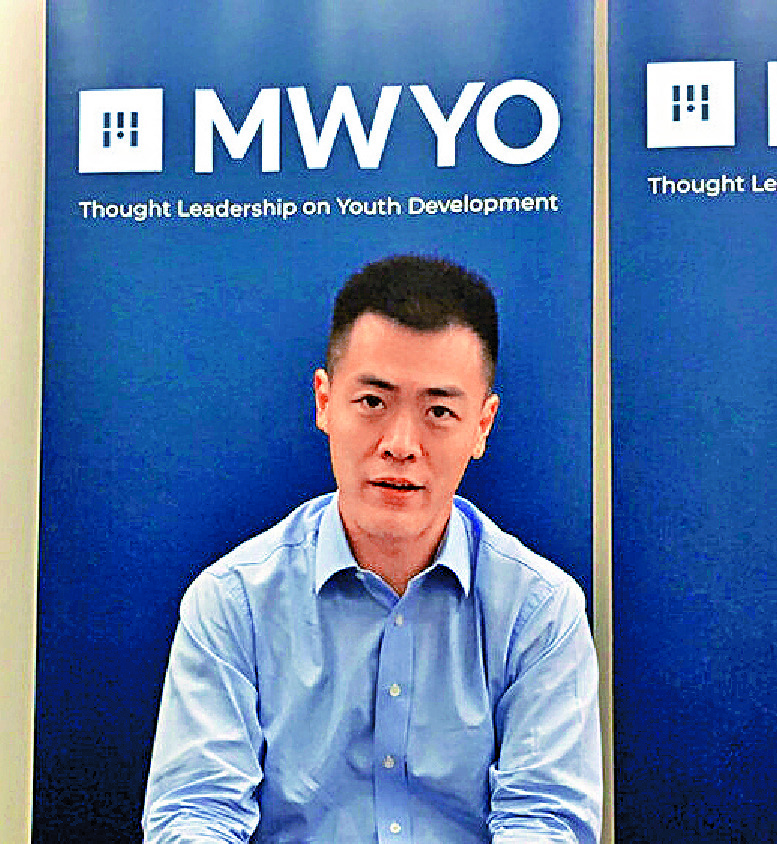
Youth-oriented think tank MWYO's announcement that it will stop operating from mid-December adds to a growing list of local think tanks that have either ceased operating or gone into hibernation.
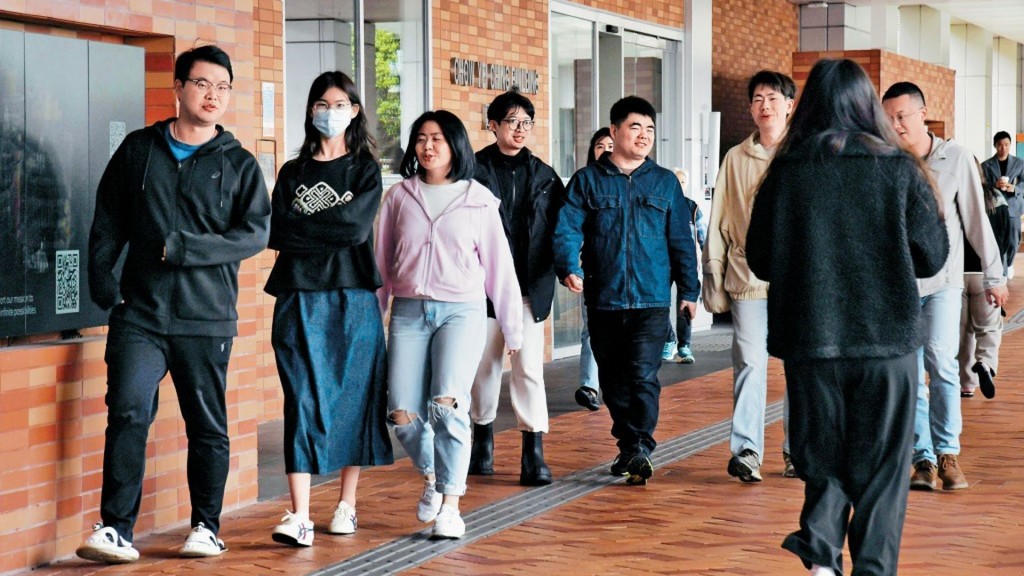
The organization, founded by celebrity Lau Ming-wai in 2015, has maintained a focus on youth-related policy studies.
Although its periodical Youth Beige did drop a hint of imminent closure in its August publication by stating this was its final issue, the announcement that it will cease to operate on December 15 still took some by surprise.
Lau, the elder son of local tycoon Joseph Lau Luen-hung, was once considered a high-flyer being groomed by the authorities in light of his appointment to various public offices, including chairman of Ocean Park and vice chairman of the Youth Development Commission.
So why is Lau shutting down the youth-based think tank?
Officially, it is said that the youth works have accomplished a major milestone and it is now time to make a change.
It is believed that the decision has little to do with finance. Rather, it may be because the junior Lau, 44, felt he has also reached a milestone where it is considered the right time to make a change, which is not uncommon among successful people.
Nonetheless, the pending closure of MWYO is set to reduce the number of active think tanks in the city by one more.
If the unfavorable economic environment continues to bite, more local think tanks - especially the smaller ones dependent on the goodwill of donors - will come under further pressure or even shut down.
The once-prominent Bauhinia Foundation Research Centre is no longer functional. Founded in 2006, it was a strong policy advocate for Donald Tsang Yam-kuen, the city's chief executive from 2005 to 2012. As Tsang vanished from the public view, so did the Bauhinia center.
Another think tank that has ceased operation was the Hong Kong Development Centre, which was dedicated to aiding pro-Beijing political parties in their elections before the Beijing-led electoral reform here.
Since pro-democracy candidates were blocked from contesting the city's elections, the need for the center has also disappeared
It can be costly to maintain a large think tank and, even though the planned closure of MWYO is said to have nothing to do with funding, the current economic environment is making it difficult for others still operating to maintain funding that they had been previously able to raise.
For instance, the city's largest think tank - Our Hong Kong Foundation, established by former chief executive Tung Chee-hwa about 20 years ago - is reported to be facing a drop in donations this year.
When even a think tank prominent enough to have been able to invite the chief executive and Beijing's representative in the SAR to be guests at its annual receptions over the years has also come under pressure on donations, the pressure on other think tanks can only be imagined.
Amid economic headwinds and changed election game rules, donations are no longer the priority for donors.
Lau Ming-wai