Read More


Defying the demographic cliff: restoring hope
06-10-2026 04:56 HKT
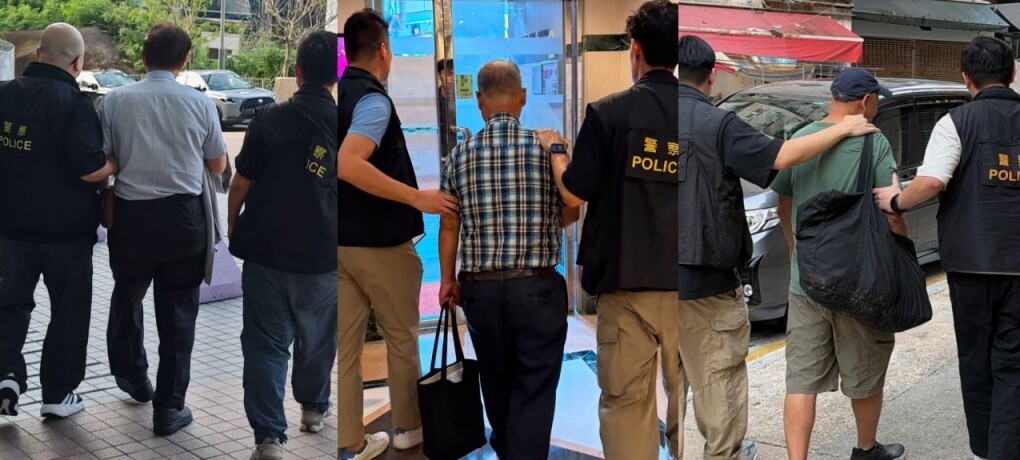
Three arrested over missing fire door frames in public estate lift overhaul
16-10-2026 20:10 HKT
Uh-oh! Is the government really going to step back from an overdue plan to keep the securities market open during adverse weather?
I hope they stick to it.
Technology has developed so much that shutting down the market every time a severe weather warning is issued makes the city look stupid and inconsistent with its long-standing claim to be a major international financial center.
Other bourses do not close systematically like ours when hit by adverse weather.
Yesterday officials were reported to be reconsidering their plan to keep stock markets open during severe weather.
One of the alternatives would see the plan so watered down that trading in securities and derivatives would only stop after typhoon signal 9 or 10 is hoisted, whereas trading would continue after signal 8 is issued.
The details are expected by mid-year.
It makes no sense to downsize the ambition and withdraw from the initial proposal.
Failing to pull it off as anticipated would not only reflect poorly on the individual officials tasked with the project but also make Hong Kong continue to be the only international financial center that closes its stock market automatically whenever a strong typhoon gets close and when it is hit by bigger-than-usual downpours.
Such an arrangement is outdated, making the city a laughing stock in the financial world.
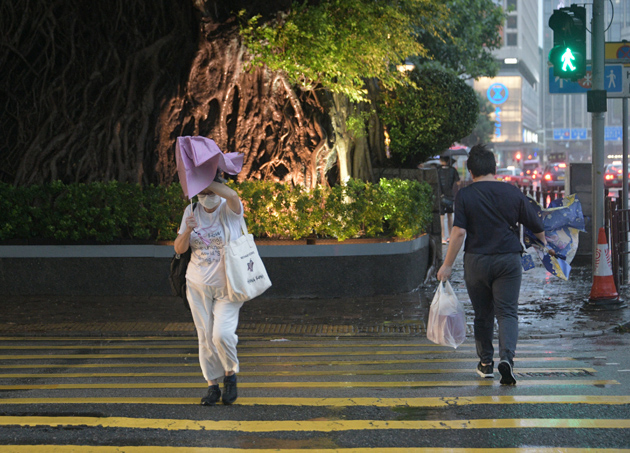
Hong Kong normally sees a number of typhoons each year - typically in the summer months - but climate change is aggravating the pattern, with more typhoons outside the usual period and with greater severity.
Unless Hong Kong can maintain a practice in line with its peers in the financial world, more and more investors will start questioning whether the city can provide a reliable platform to trade like others.
It is not only about the loss in volume. It is essentially about the reliability of Hong Kong as a market for international investors when systematic closure whenever adverse weather hits would constitute risks that are unique here.
Anything even in the middle ground would amount to a serious setback to the city's not-so-ambitious attempt to be on a par with other financial cities.
Smaller brokerage firms were reported to be not yet ready for the change even though the subject had been talked about for some time and the watered-down version was being put forward to win their support.
I fail to see how it is going to make a meaningful difference. If brokers were already expected to work from home after typhoon signal 8 was hoisted, why can't they do likewise during signals 9 and 10?
Most major brokerages have indicated they have upgraded their systems and are ready for all-weather operation.
Although smaller firms may have found it costly to invest in system upgrades, they must still find a solution to enable all-weather operation.
Can they merge or form partnerships to share resources? In the worst case scenario, let them close if they cannot live up to even not-so-new challenges.
As long-time market participants, they know theirs is a highly competitive business allowing no middle ground.
They do not need special protection from policymakers.