Read More

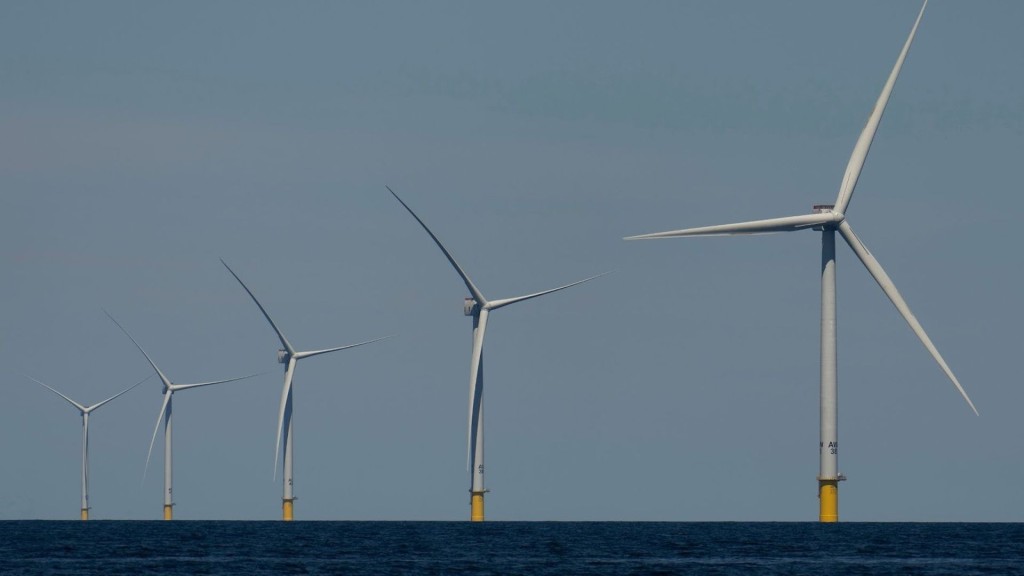






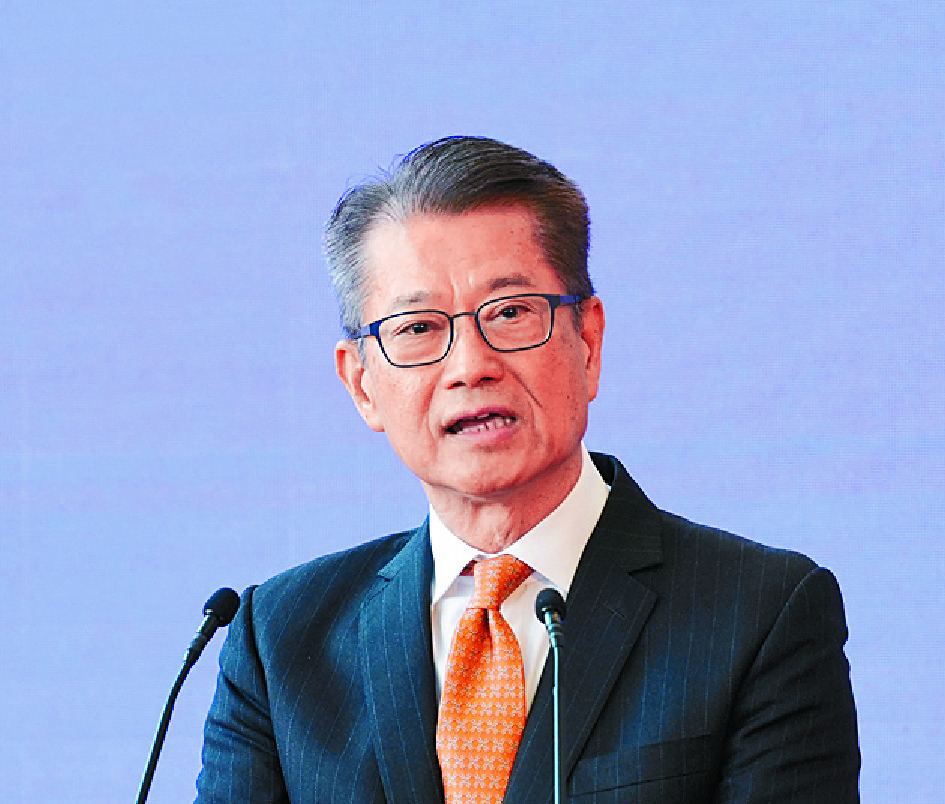
After revealing to RTHK recently that capital gains tax was part of a government study, Financial Secretary Paul Chan Mo-po now says Hong Kong does not have the condition to introduce capital gains tax in the short term.
One may breathe an immediate sigh of relief - but the "clarification" is nothing to be applauded as Chan has revealed two basic facts.
Two, the financial secretary is ruling it out for the short term only. Could Chan be leaving the option open for the longer term?
To be fair, it would not be the right time to introduce capital gains tax now even if the government wanted to.Where would the gains be made when homeowners have been selling their homes for a loss in the secondary market and the Hang Seng Index has struggled to remain above 15,000?
Capital gains tax is nothing new. It has been adopted not only in Western countries like the US and UK but also in China, where gains are usually taxed at a flat rate of 20 percent.In the face of a staggering fiscal deficit, anyone in a key financial role like Chan's would do their best to open up new revenue sources while cutting back spending on public services since, unlike the US, most governments do not have the ability to raise money simply by printing it.
It was clear in Chan's remarks from Davos that he is trying to nip an emerging confidence crisis in the bud. What is ironic is that the outcry was created by himself alone.It is still uncertain whether he was actually trying to release a trial balloon when he revealed the capital gains tax study to RTHK or whether he was trying to defuse pressure to introduce one by sounding it out publicly in anticipation of opposition from others.
In either case, the public feels confused.Other examples of government contradicting itself are its housing and land policies.
In withdrawing a number of sites from tenders and, more recently, slapping a moratorium on residential and commercial land sales for at least a quarter, the administration conveyed a loud and clear message that it would not sell land at what was labeled as dirt-cheap prices.It was an improper label since there is only market price.
In suspending land sales for at least this quarter, developers were blamed for showing a lack of appetite for new sites.But then, some of the so-called "spicy" measures introduced years ago to cool the property market are still in place. These measures stand for a declared policy goal to make affordable home ownership available to the younger generation.
The two policy objectives contradict each other - a fact that Centaline founder Shih Wing-ching acutely raised in his daily column.As Chan and the government's land officials move to and fro on the tax and land sales, they may not know they have created an impression that policymakers have lost the direction, not knowing which way to go in a complicated economic and geopolitical environment.