Read More





The revamped immigration scheme in exchange for permanent residency as announced by the Hong Kong government contains one big surprise: mainlanders are excluded unless they have already obtained permanent residency in another country.
Perhaps the current administration has learned from the past, before the last capital investment entrant scheme was axed eight years ago.
As a number of local consultancy firms providing immigration services have recalled, their clients back then were mostly from the mainland.
While an influx of money had enriched the local capital market, it had also made housing in Hong Kong the world's most expensive.
That being said, it is questionable whether local property prices would surge like before even if the relaunched investment immigration scheme were open to mainlanders with no foreign residence in the wake of the sluggishness of the property market at present.
It is equally probable that the exclusion of mainlanders, with the exception of those who have already obtained foreign residency, could be part of Beijing's national policy to prevent capital from flowing out of the country.
If consultancy companies such as Victory Securities, which was interviewed recently by the media, had been telling the truth, many of their customers - reportedly mostly from the mainland - had expressed an interest in the new capital investment entrant scheme prior to the announcement.
It is likely that these wealthy mainland families who had been expecting to make use of the new scheme to move to Hong Kong will be disappointed.
The new scheme as unveiled is open to foreign nationals, Chinese nationals with permanent resident status overseas, Macau residents and Taiwan residents who are ethnic Chinese.
Although it is also open to Macau residents and Taiwanese, the Hong Kong authority is probably expecting to receive more applications from countries in Southeast Asia and along the Belt and Road region.
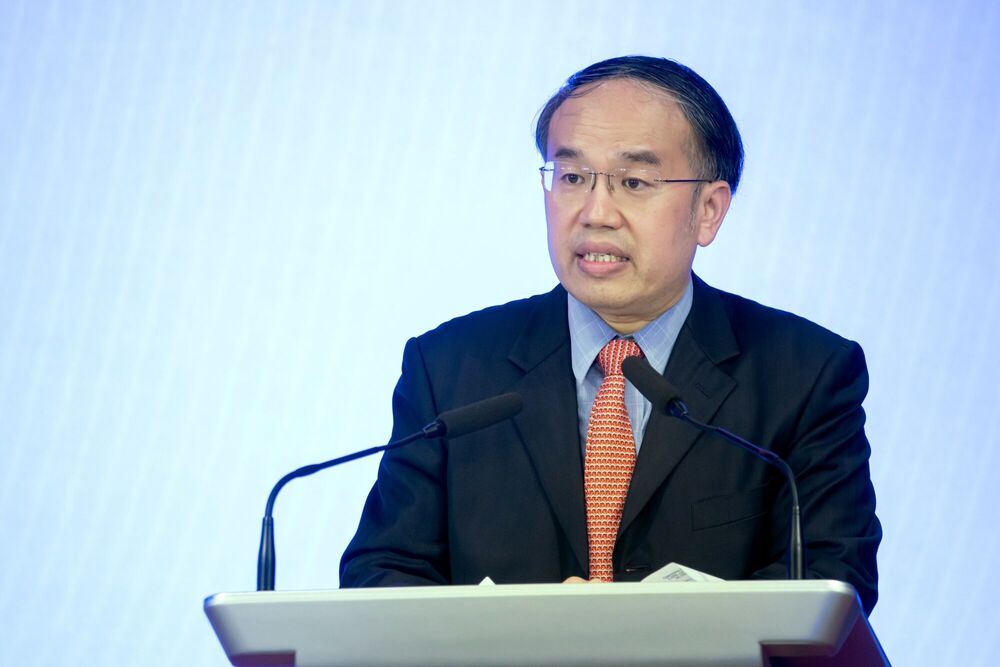
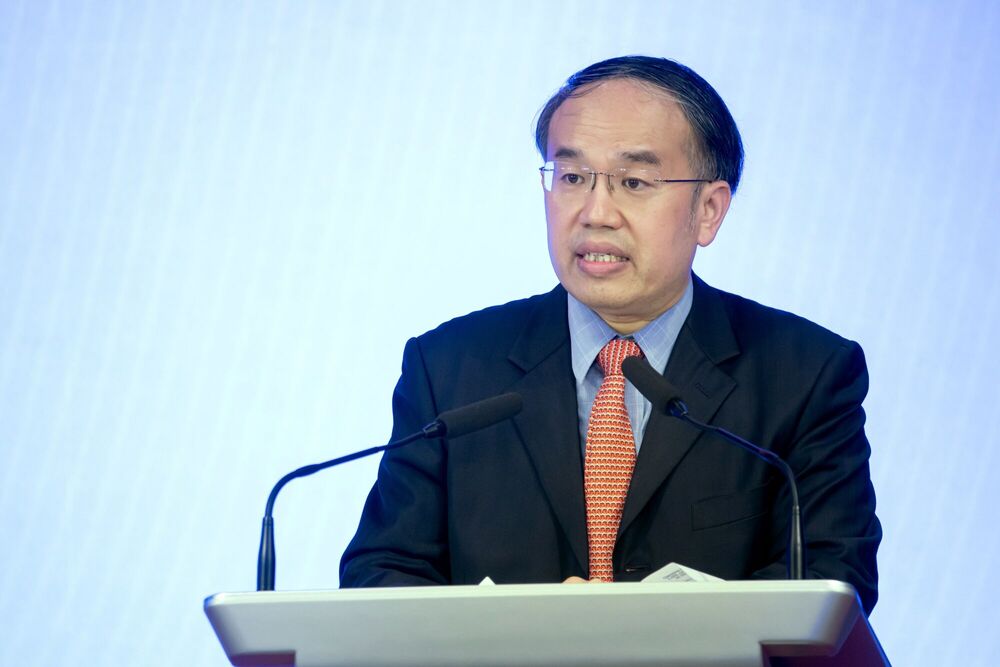
It may be worth noting that, as Secretary for Financial Services and the Treasury Christopher Hui Ching-yu spoke on RTHK to explain further the overhauled scheme, he referred to previous exchanges with potential investors and mentioned those in Southeast Asia in particular.
Hui's confidence in the scheme's ability to attract as many as 4,000 applications a year seems to be supported by a recent HSBC report that predicted the number of millionaires in terms of US dollars in Asia will increase from 30 million at present to 76 million by the end of the decade.
To apply for the scheme, wealthy individuals have to invest at least HK$30 million in non-residential real estate, equities or other financial assets.
Their portfolios must also include HK$3 million of investment in a special fund backing the development of fintech, artificial intelligence, biotechnology and high-end manufacturing.
After the government begins accepting applications from mid-2024, it may monitor the statistics with a view to making sure that applications are made from diversified regions.
Variety should also form an essential part of the scheme in the long run