Read More
The stage is finally set for the Taiwan presidential election after all the climax and anti-climax.
ADVERTISEMENT
SCROLL TO CONTINUE WITH CONTENT
In a three-party race between the ruling Democratic Progressive Party and opposition rivals Kuomintang and Taiwan People's Party, the DPP may look to a relatively comfortable victory in the January 13 vote.
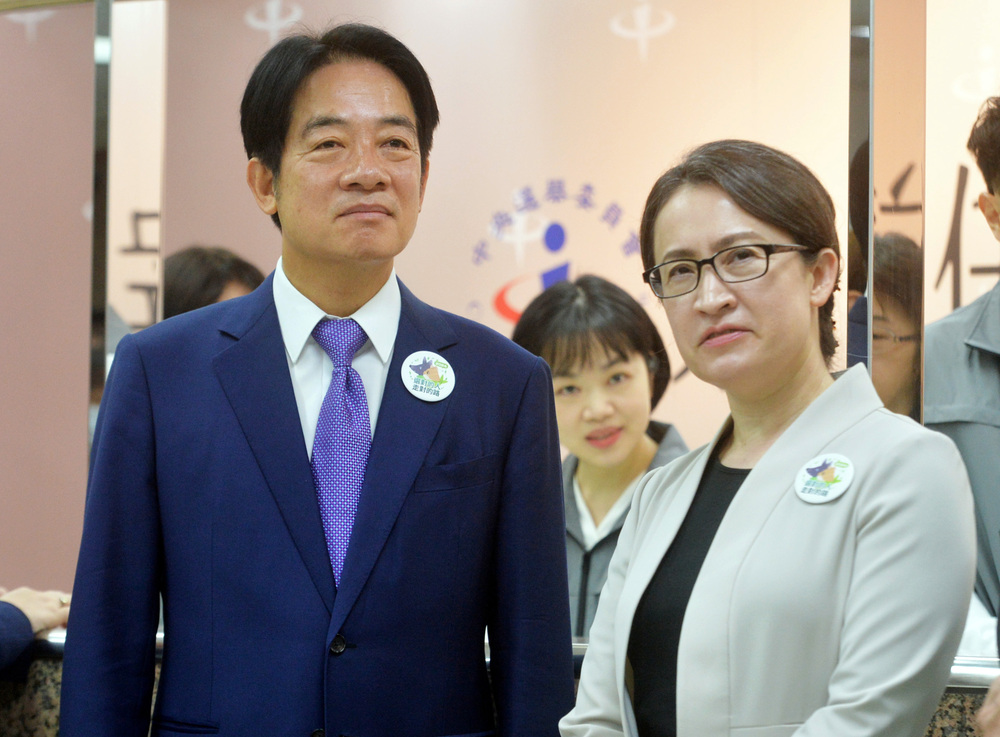
Vice president William Lai Ching-te and former envoy to the US Hsiao Bi-khim will most likely be elected the next president and vice president.
After breaking up with former Taipei mayor and TPP chairman Ko Wen-je, KMT's candidate Hou Yu-ih named as his running mate party veteran and one-time right-wing party leader Jaw Shaw-kong.
At 73, Jaw is six years older than Hou and the oldest among all the president and vice president candidates.
With the other two contenders picking younger running mates, Jaw's choice may surprise younger voters.
It is clear that the KMT has opted a cautious approach. After failing to secure a joint ticket with Hou running as president and Ko as vice president, it has shifted to defensive play.
Jaw, a right-wing nationalist who advocates reunification with the mainland, maintains a strong appeal among KMT's traditional base.
Running out of hope for the presidential office, the oldest party in Taiwan is aiming to protect its power base at local level, including the Legislative Yuan.
As a result of the about-face with the KMT, Ko's TPP may face greater uncertainty in local elections.
Even though Ko still hopes to replace Tsai Ing-wen as Taiwan's next president, he and his party could be in a more vulnerable position than the others.
Ko retains a level of appeal among the young and middle class - the political spectrum to which DPP's Hsiao also has a strong appeal.
But the bickering and recriminations between him and KMT's Hou in front of the media at the Grand Hyatt hotel in Taipei infuriated each other's supporters so much that a promised alliance in local elections is fast turning fragile.
Individual local KMT activists have asserted that it would be impossible to canvass votes for TPP candidates and the impact of the opposition alliance break-up could ripple beyond the presidential vote.
With Hsiao named as Lai's running mate, it has become possible for the first time since the electoral exercise began for the DPP to increase its number of seats in the legislature.
This is despite the fact that a likely DDP electoral victory in the presidential election and possible progress in the legislative vote would spell uncertainty for the relationship across the Taiwan strait.
It would be unrealistic to expect mainland-Taiwan relations to improve. Indeed, it would already be the best case scenario if the situation across the strait remained stable and did not deteriorate.
In contrast to its previous rhetoric that a Lai-Hsiao ticket would amount to a "double independence act," Beijing was rather restrained when responding to the KMT-TPP break-up, expressing hopes for an election outcome that would be conducive to peace and stability in the region.
Will the status quo continue after the vote?
Keep monitoring.
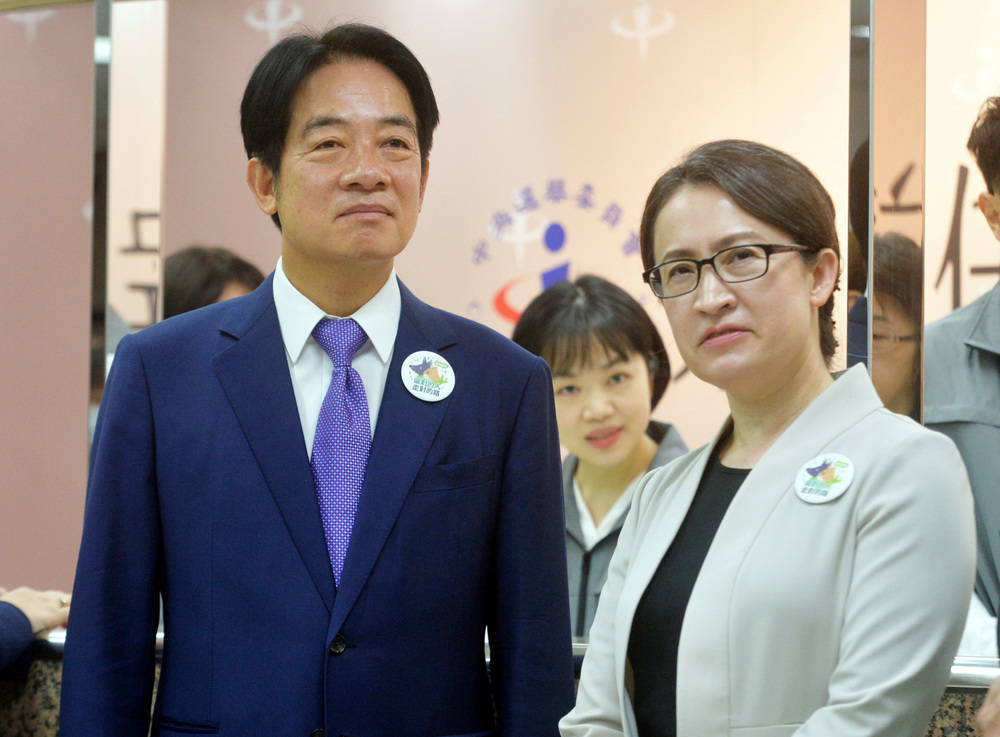
William Lai and Hsiao Bi-khim.