Read More
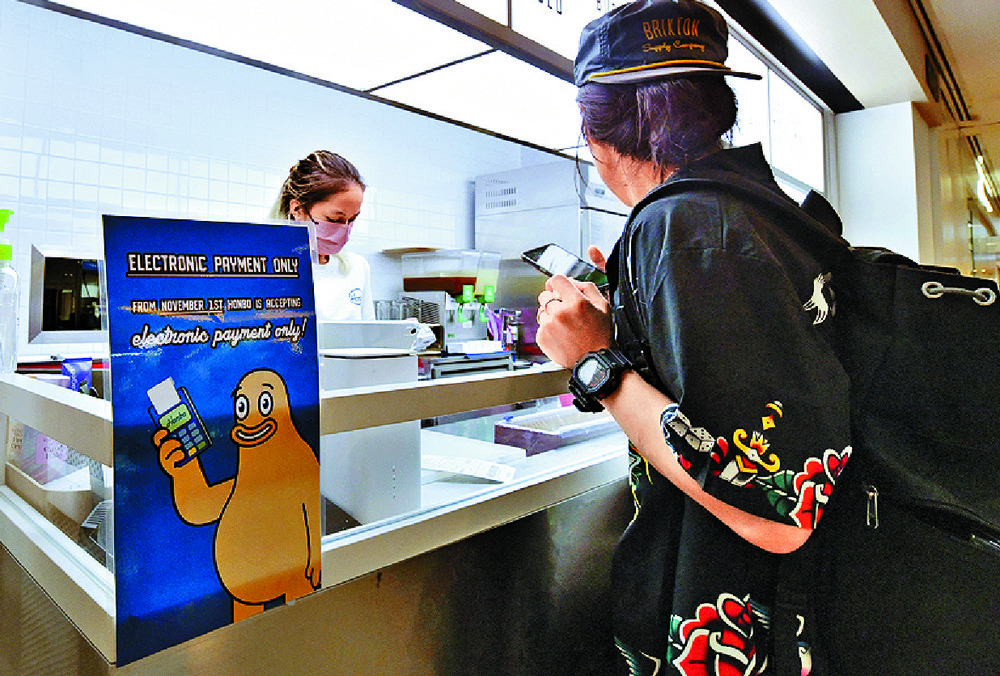
Taiwan celebrity Cheryl Hsieh was embarrassed after discovering that she could not settle a bill with cash for the burger meal she had at a restaurant in Harbour City during a recent cruise stop in Hong Kong.At that moment, all the star had was HK$600 in cash.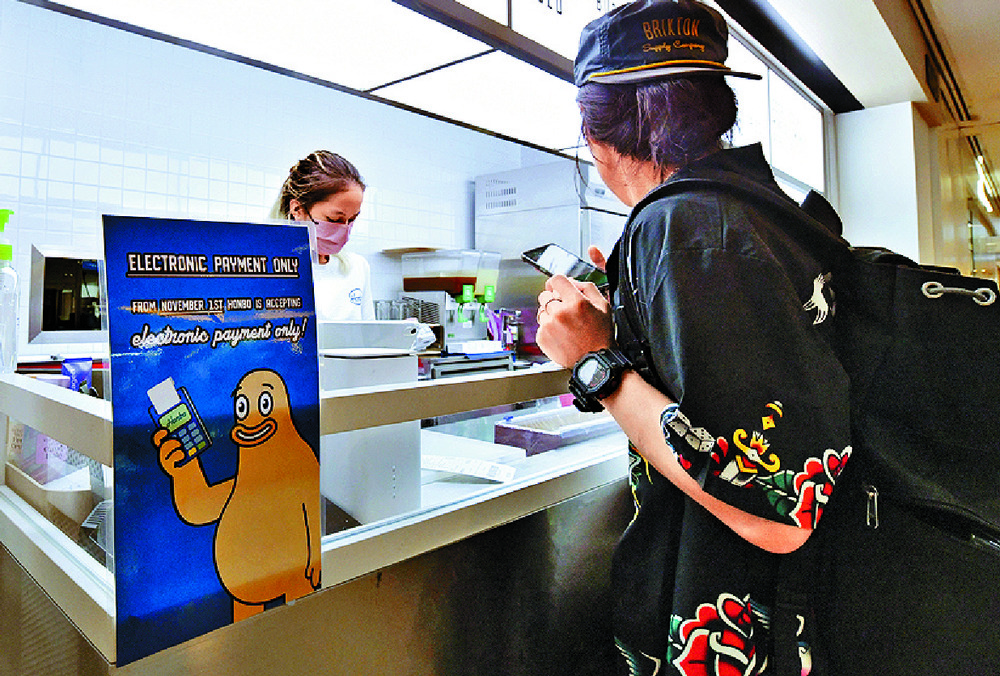
The restaurant told her it accepted all forms of payments except cash.
ADVERTISEMENT
SCROLL TO CONTINUE WITH CONTENT
I can understand her situation - it must have been a truly embarrassing moment.
From a public relations perspective, the restaurant's initial response to a comment by one of Hsieh's many followers was disastrous.
It was rather rude for the restaurant to say the ban on cash was "because it is the 21st century."
Although the restaurant later issued an apology and explanation, the damage was done.Only a few months ago, a mainland visitor took to social media to complain that Hong Kong shops accepted cash but no electronic payments popular in the mainland.
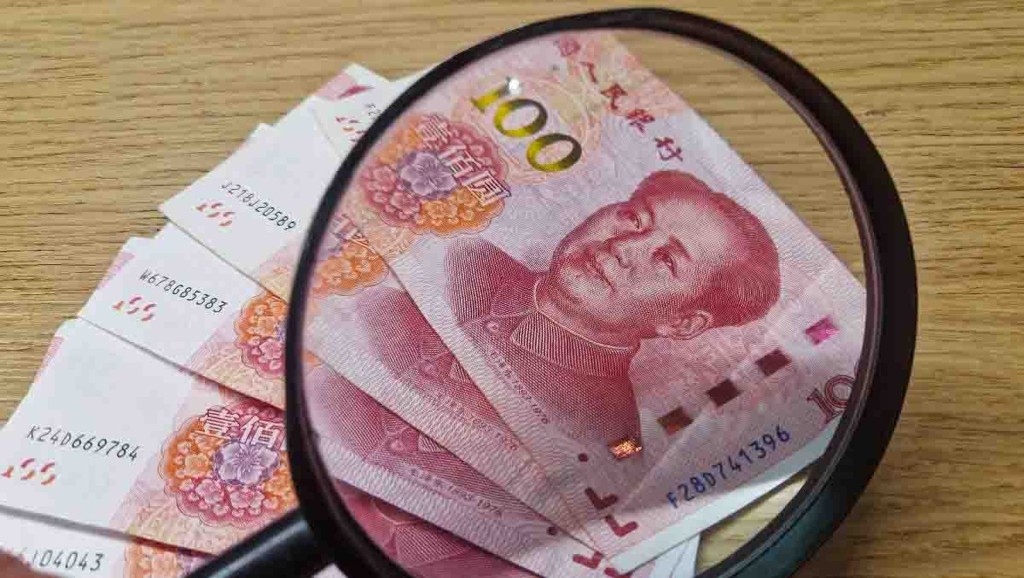
These were two isolated incidents but they raise a legitimate question about the legal tender in the form of banknotes and coins as local authorities step up efforts to shift the city towards electronic payment.The question regarding legal tender is not new.
When the Legislative Council was still full of questions from the opposition, then-lawmaker Leung Kwok-hung raised an apparently minor, but rather fundamental, question.He asked whether it was unlawful for shops to refuse to accept HK$1,000 banknotes or small change.
The government official back then said that, while these were legal tender, both the vendor and buyer may agree otherwise to settle the transaction.Apparently, "agreement" is the key word both now and then.
To use the Hong Kong Monetary Authority's own words - as cited by wholesale and retail sector lawmaker Peter Shiu Ka-fai in wake of Hsieh's embarrassment - this is a commercial decision for both the vendor and buyer to make.While that is understandable, what is tricky is that it is assumed there is an agreement.
The official replies have answered only half of the question.What if there is no such agreement but the service has been provided by the vendor, as in Hsieh's case, in which she had finished the meal and was about to settle the bill with cash?
The question is: in the absence of such an agreement, why could she not pay with the legal tender in the form of cash?Usually, a restaurant will put up a sign at the entrance declaring no cash or no HK$1,000 banknotes, but such a sign sometimes may be too small to be noticed.
If the burger restaurant had such a sign on display, Hsieh may have missed it.Even then, would it be fair to customers if operators refused to let them leave while, at the same time, refusing to accepting their cash payment?
The financial authorities must clarify this half of the question.There could be more to going cashless than there appears to be. If there is an administrative cost to accepting cash payments, there is also a cost to refusing cash if the question surrounding the legal tender is not answered properly.