Read More





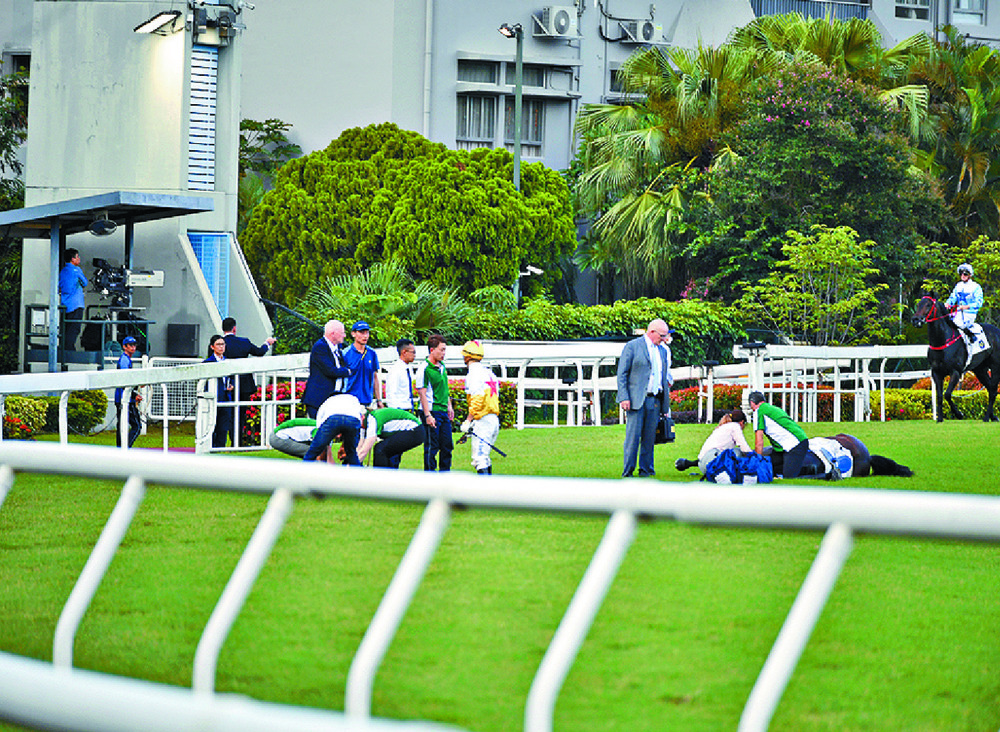
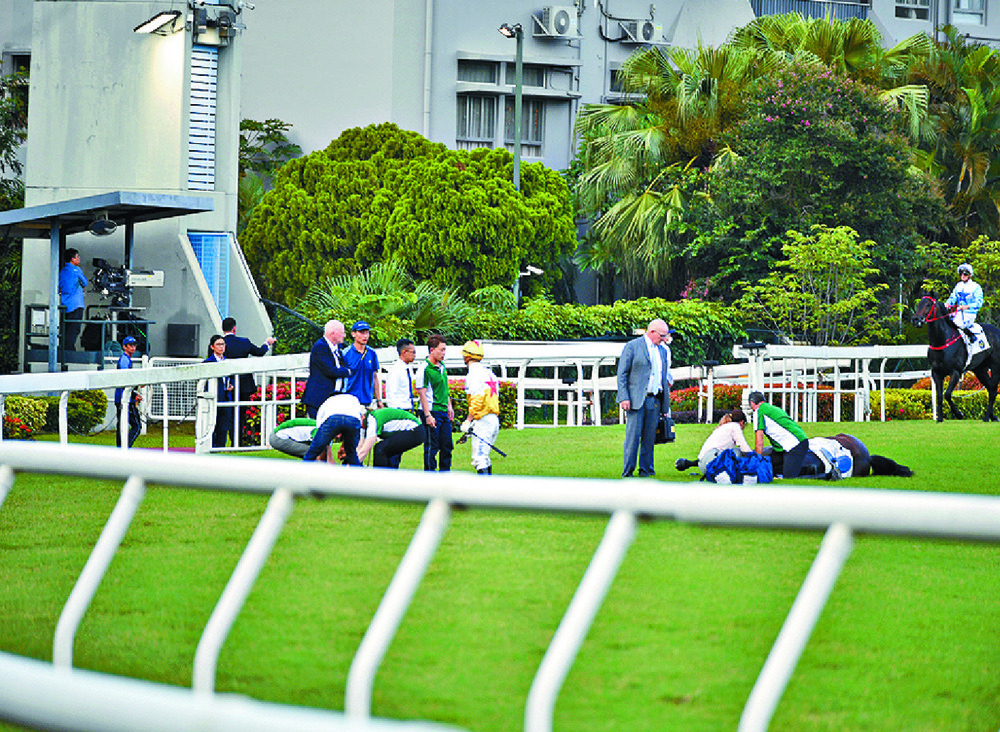
Hong Kong has witnessed horses dying in the past week in incidents that have truly mystified us all.
As the Hong Kong Jockey Club put it in a press release, the incidents involving three horses were rare and unusual.
The death of three horses over the space of six days has raised concerns about whether the club has pushed too hard, with a horseracing critic slamming it for holding four local fixtures in less than a week.
This could be understandable as the Jockey Club has come under pressure from Financial Secretary Paul Chan Mo-po to cough up billions of dollars more each year to contribute to the public treasury on top of its regular payment.
What can the Jockey Club do to generate the extra money? Obviously, it can readily do so by scheduling more horseracing fixtures.
However, it could be too early to weigh in this factor for the recent mishaps as the schedule of horseracing events for the current season was announced a year ago.
I agree with the Jockey Club that the incidents were unusual.
That's because, for one, climatic factors have not been extraordinary during these recent weeks. Local weather has been hot and humid recently but it has always been like that during these months.
The day Man Light died after crossing the finish line on July 1, the maximum temperature was 30.9 degrees Celsius with relative humidity from 74 to 91 percent, according to the Hong Kong Observatory.
On the July 6 evening when Happy Gathering fell during the race and had to be euthanized and Baby died after crossing the finish line, the observatory said the highest temperature of that day was 32.8 degrees Celsius and the relative humidity was 68 to 87 percent.
Were these weather conditions rare and unusual?
Not really. On one of the last pre-Covid racing days - July 7, 2019 - the maximum temperature was 31.4 degrees Celsius and the relative humidity was 77 to 86 percent.
To be fair, the past week was hot and humid but not unusually so by the city's standards.
The current racing season will close after the last local fixture on July 16 is held for the summer recess to begin. That is not particularly late - in 2019, the season's finale fell on July 14.
In the absence of an apparent external factor such as weather or frequency of racing events, the Jockey Club will have to review internally to find out whether horses in general are being looked after properly at stables.
The costs of running a stable and looking after horses are getting increasingly expensive in the face of high inflation amid the challenge of a weakening economy.
The mishaps may also serve as a reminder for the Jockey Club management that, although the financial secretary has demanded the organization pay the government billions more a year, it should avoid putting together a punishing schedule of fixtures for the next season after the summer break.