Read More
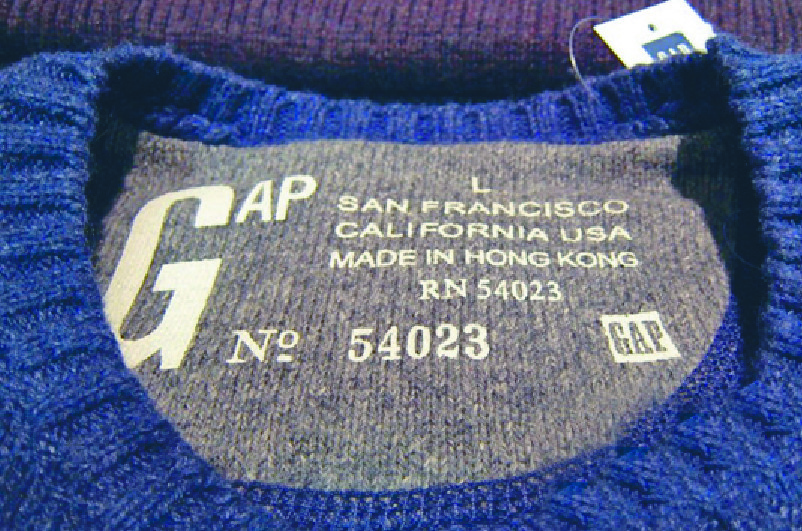
Hong Kong may have won its case in the World Trade Organization against a disputable decision by the United States requiring products from Hong Kong be marked as "Made in China."What more can Secretary for Commerce Algernon Yau Ying-wah do to get the US to reinstate the "Made in Hong Kong" label?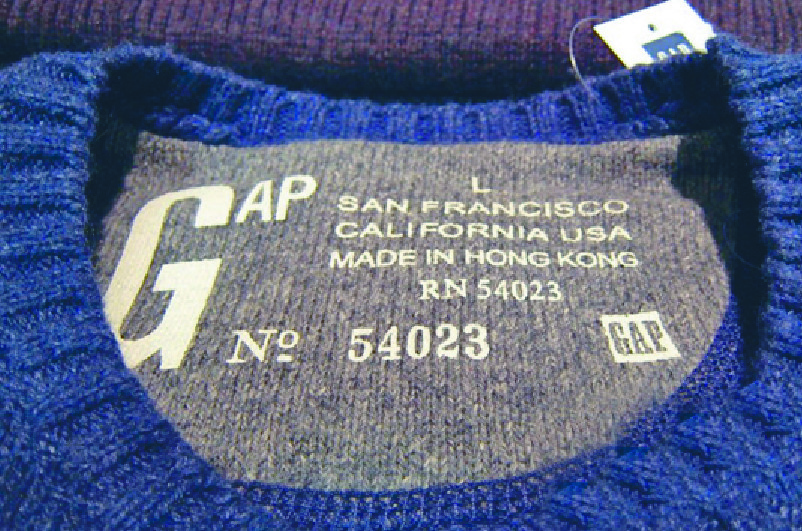
What is sad is that this does not change the reality that products from the SAR will still be labeled as "Made in China" if they are destined for the United States after it openly rejected the WTO ruling that offers Hong Kong manufacturers spiritual comfort, even though it cannot restore the status quo in any material sense.
ADVERTISEMENT
SCROLL TO CONTINUE WITH CONTENT
That is the crucial issue that Yau and other SAR decision makers will have to work out after celebrating the initial victory.
The US Trade Representative office raised many eyebrows when it made clear that the US would ignore the ruling. Whether or not an appeal is made, US customs will continue to demand products from the SAR are labeled as "Made in China" rather than in Hong Kong.
The US stance not only leaves Hong Kong manufacturers in a helpless position, but also makes a mockery of the WTO and the international trade principles for which the organization stands. Instead of showing respect for these principles, the US chooses to question the organization.
As for the SAR, it is good to win a symbolic round. It would be even more important, though, to turn a symbolic success into material gains that can help differentiate Hong Kong from the rest of the country.In this sense, the WTO has reasserted that crucial identity for Hong Kong.
This is not the first time the US has openly defied the WTO. If not for its opposition, the WTO appellate body would have had its existing vacancies for judges taken up by replacements following the departure of quite a number over the years.With an inadequate pool of judges, any appeal raised to the body will run into a void and remain unsettled as the shortage will prevent the WTO court from convening to hear appeal cases.
Nonetheless, the label saga is not totally without a silver lining.According to the SAR's Commerce Bureau, the actual damage suffered by Hong Kong due to the change to "Made in China" is nominal. Only 0.1 percent of the city's exports are affected and have to be labeled as "Made in China."
The number is revealing - either that the remaining exports consisting of goods heading overseas or to the mainland make their way via the SAR, or that Hong Kong-made goods destined to other regions like Europe and Australia are still marked as "Made in Hong Kong."A concern is whether the US will ask its allies to follow suit if geopolitical tension ratchets up further.
In the longer term, tension will have to be lowered through diplomatic efforts. In the meantime, Hong Kong should continue to diversify its markets.