Read More
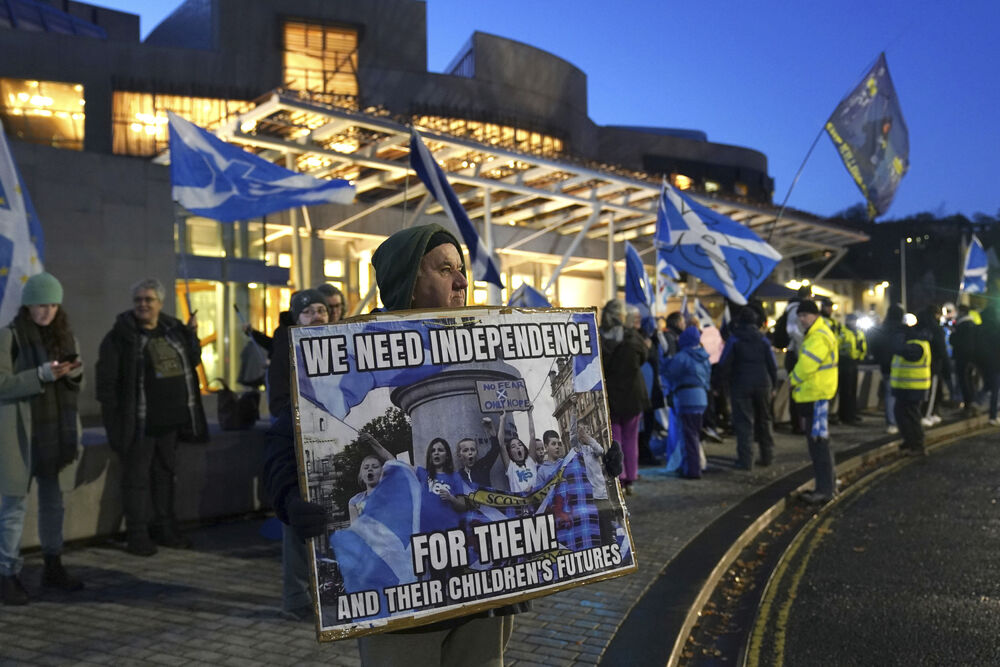
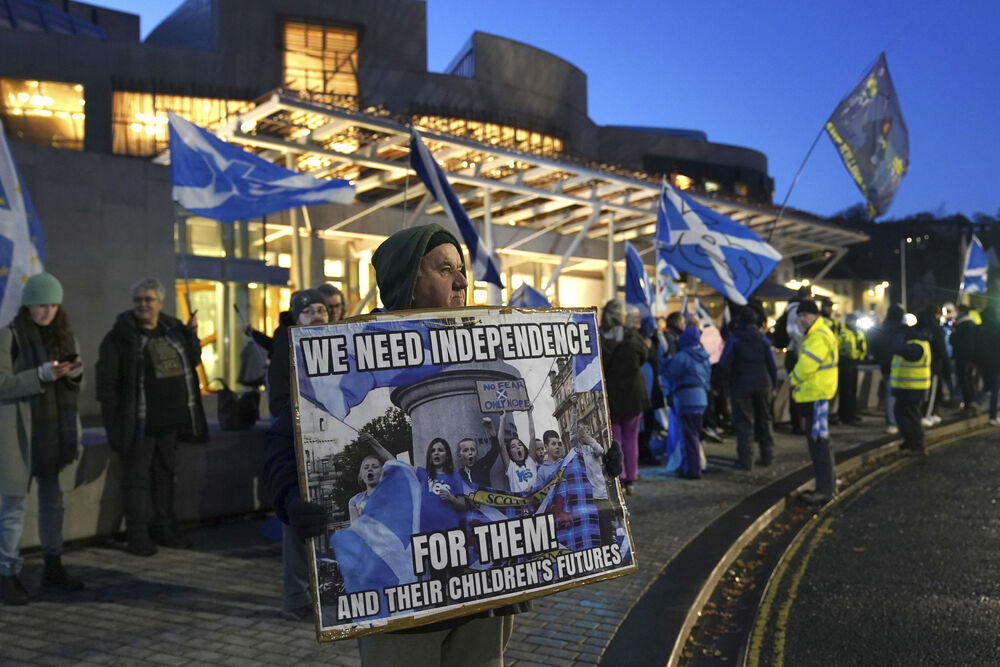
The UK Supreme Court's ruling against the Scottish National Party's bid to hold a referendum on independence for Scotland surprises no one.
ADVERTISEMENT
SCROLL TO CONTINUE WITH CONTENT
A question ringing loud is whether or not the unanimous ruling can put an end to the independence movement led by the First Minister of Scotland, Nicola Sturgeon, and activists within the SNP that have been campaigning on the nationalist sentiment.
The answer is obvious. Sturgeon remains as defiant as ever because, for one thing, this is her whole political capital.
Independence activists are also putting pressure on her to look to alternative ways to keep the independence cause alive following the Supreme Court setback.
Without doubt, the issue of independence for Scotland will continue to haunt the UK.
Likewise, British Prime Minister Rishi Sunak's strong denial that he is seeking to soften Brexit won't put to rest surging skepticism that his government might be prepared to betray the Brexit cause.
This follows a controversial Sunday Times report that some senior government officials want a Swiss-style European Union deal.
Since the Brexit vote, the Brexiteers and Remainers within the Conservative Party have not bridged their differences.
It is also well known that, during the lengthy negotiations, a proposed deal modeled after Switzerland's agreement with the EU was touted. It was shot down because it would have required British laws to align with EU legislation - and disagreement on this has always been central to Brexit.
It is widely believed that the report, citing unidentified officials, was based on briefings from the Treasury under Jeremy Hunt, a Remainer during the 2016 referendum.
Appearing to be doubling down on Sunak's denial, Hunt nevertheless stopped short of denying when he was questioned by MPs in Parliament that his Treasury officials were the source of the Sunday Times report.
Having been a British politician for so many years, Hunt knows only too well that, while he may choose not to tell the whole truth, he cannot speak lies to Parliament since this would end his political life.
According to the law, the next general election will have to be called no later than January 2025 but Sunak - or anyone who might succeed him before that time - may call an election early. This is usually preferred by the incumbent when his or her popularity is high.
The fact that the Sunday Times report was immediately greeted with a sea of skepticism within the Conservative Party is sufficient to indicate that Brexit is still a live and hot issue within the ruling party, with Remainers and Brexiters still disagreeing with each other so many years after the referendum.
The Swiss-style agreement does not oblige Switzerland to become a EU member in order to enjoy most EU rights. In exchange for the arrangement, Swiss laws must be compatible with those of the EU.
Like the Scottish independence movement that haunts the UK, an unresolved Brexit will continue to undermine the Conservatives.
The Sunday Times report is most likely a government test balloon that could reverse to harm Sunak if Brexiters rebel against him.