Read More
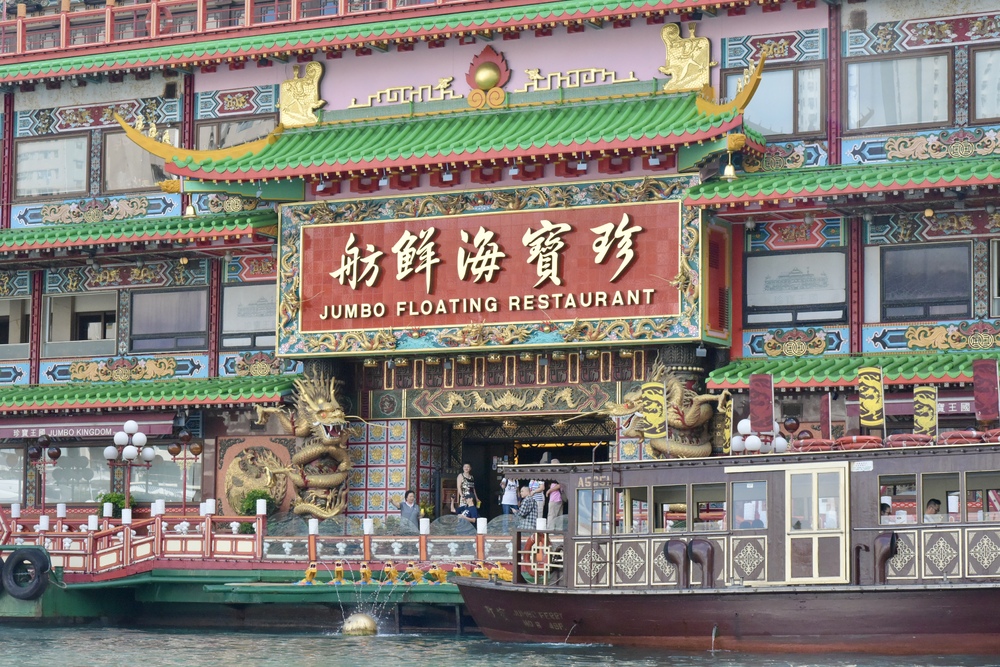
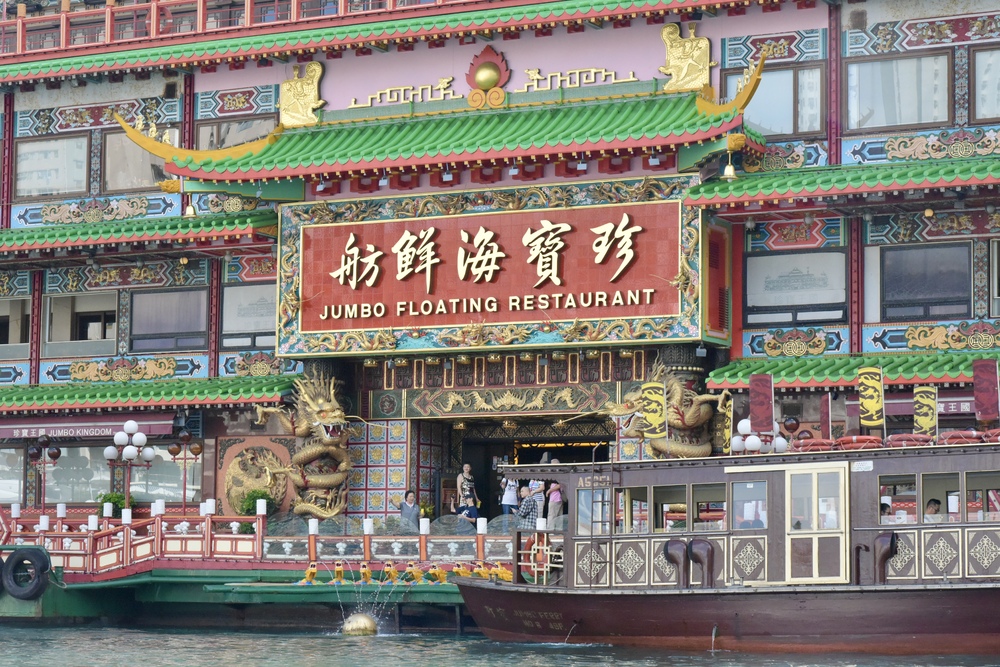
It's a pity the Jumbo Floating Restaurant, which has been part of Hong Kong's history, is set to leave after more than 40 years of making Aberdeen Typhoon Shelter its home.
ADVERTISEMENT
SCROLL TO CONTINUE WITH CONTENT
Hongkongers will lose another major piece of their collective memory.
For the past two years, there have been attempts to salvage the vessel restaurant that had served Queen Elizabeth, movie stars Tom Cruise, Gong Li and Chow Yun-fat among a long list of high- and low-profile celebrities.
But the wait for a white knight to appear is coming to an end.
This week, owner Aberdeen Restaurant Enterprises said all the efforts - including a high-profile plan to donate the vessel to Ocean Park for conservation and revitalization as part of an ambitious government vision to invigorate the Southern District - have failed.
Though the owner said it would continue to wait for someone to appear to bring the floating restaurant back to life while it was docked elsewhere to save maintenance and storage costs, nobody knows if the landmark will ever reappear in Aberdeen or elsewhere in Hong Kong.
The owner is doing the right thing and should not be blamed.
If it is fiscally non-viable to keep the vessel afloat, an alternative will have to be found despite the sentimental links it has with many of us.
In hindsight, it appears that Chief Executive Carrie Lam Cheng Yuet-ngor and her officials had not fully thought through the idea when she included the Jumbo Floating Restaurant in her 2020 Policy Address.
She undertook to facilitate collaboration between Ocean Park and non-government organizations for its rebirth on a non-profit-making basis.
The owner revealed it had also approached a number of catering firms and organizations, but no one was willing to take it over.
Although the government then sounded like it was playing only a passive role in respect of the donation, it is probable that Ocean Park had tentatively agreed to the project at the government's request.
But the industry always realized it was too hot a potato to accept.
As the private operator was unable to keep the vessel commercially viable, how could it be possible for an NGO to take over the operation and run it on a non-profit basis without subsidies from either the government or the Hong Kong Jockey Club?
If an NGO could have made it financially viable without the support of taxpayers' money, would the owner have already achieved that?
A problem with the project is the high maintenance costs necessary to meet a whole range of licensing conditions, from fire safety to the ship's seaworthiness.
Looking back, the ambitious policy address plan was on misplaced footing.
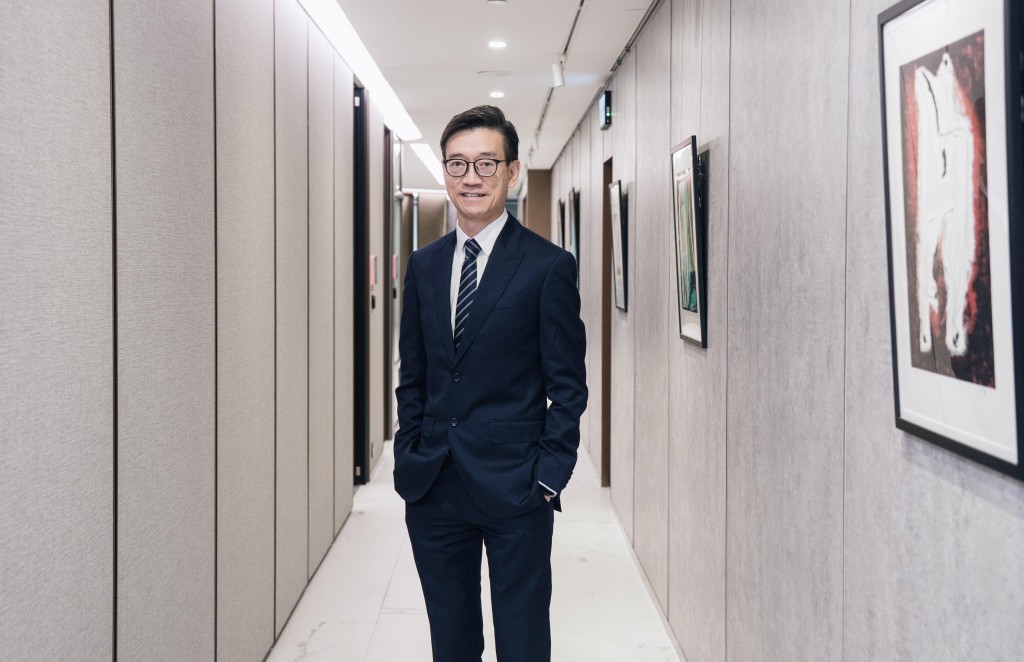
Although the project came under Commerce and Economic Development Secretary Edward Yau Tang-wah's policy area, it would be unfair to blame him solely.
Rather, the chief executive should share a greater responsibility over the case.
It may be tempting to blame Covid for the failure but, although it is a factor, it is not the sole one.