Read More
Anyone who has reached the ripe old age of 79 may be readily forgiven for being unclear when they speak.
ADVERTISEMENT
SCROLL TO CONTINUE WITH CONTENT
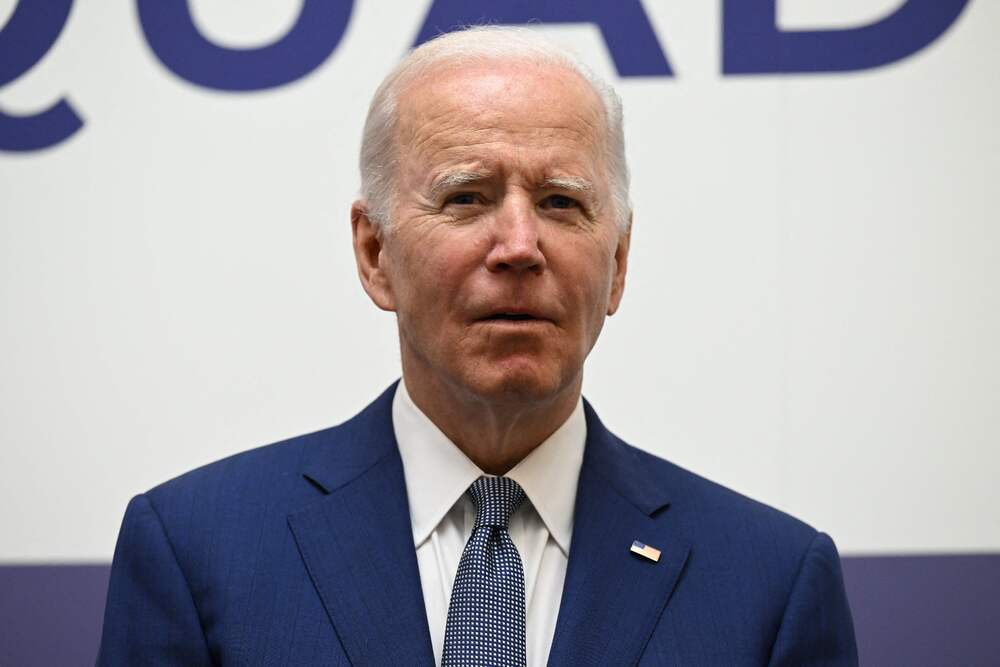
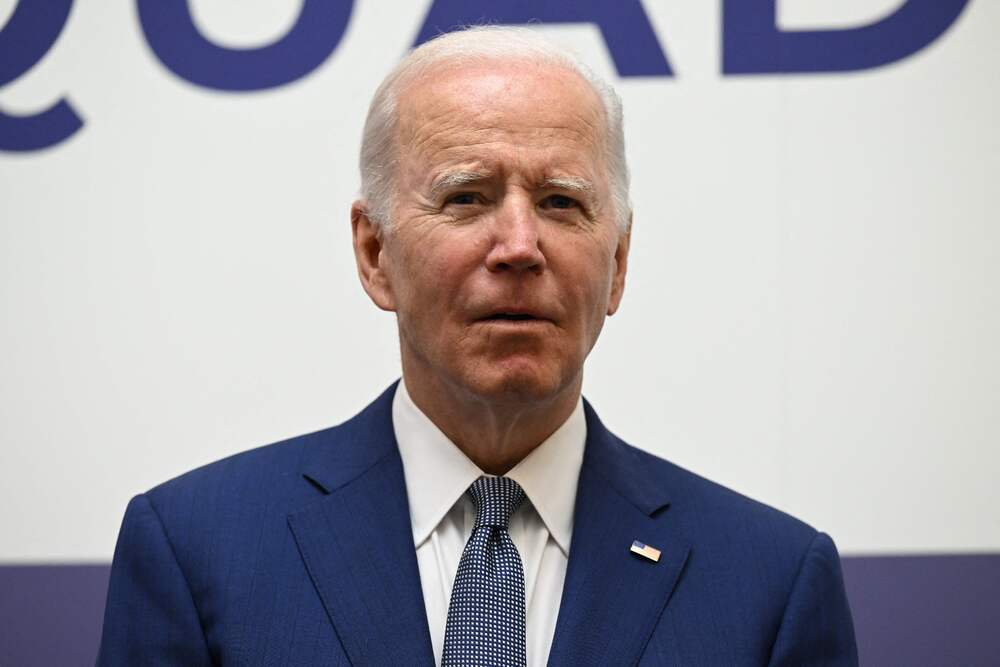
But it would be difficult to say the same for 79-year-old Joe Biden, the US president, after he made the same "blunder" - not once or twice, but three times - in public comments on the hypothetical question of Beijing invading Taiwan.
On Monday, Biden said in Tokyo that the US would intervene militarily to defend Taiwan if it were invaded by China.
A White House spokesman quickly clarified that Washington's "one China policy" had not changed.
Biden made similar gaffes on the Taiwan issue last August and October, and the White House also had to walked back the comments.
Washington has all along kept its Taiwan strategy ambiguous. If Biden really meant what he said this week and last year, America is trying to make itself appear to be replacing its ambiguity with clarity.
That may not be Biden's true objective, though.
Instead, people in Washington DC - Republicans and Democrats alike - may be trying to enhance the deterrence of their Taiwan strategy by enriching its contents while stopping short of actually committing to it in order to retain flexibility.
Even repeating a gaffe by an old man can be a diplomatic tactic.
Biden's public undertaking to intervene militarily in the event of an invasion by China was also tied to America's bipartisan policy to exclude China from global supply chains.
The pandemic and Russia's invasion of Ukraine have given them an opportunity to accelerate the plot.
It wasn't a blunder - just the opposite.
Didn't the State Department recently remove from its official website sentences of not supporting independence for Taiwan and Taiwan being part of China?
Clearly, the US is trying to hollow out the "one China" principle maintained by Beijing.
Taiwan is Beijing's red line and Biden has repeatedly stepped on it. If Beijing did launch an attack on Taiwan, Washington could use that to justify sanctions and other actions against China just as it is coming under pressure both domestically and internationally.
A major item on the agenda of Biden's Asian trip was the strategic Indo-Pacific Economic Framework.
Like Singapore, most APEC members invited to join the IPEF may be trying to walk a fine line between the two giant global powers.
During the presidential election, Biden was infamous for his ludicrous misuse of words.
Who would have thought that and old man's malapropism could also be used as useful leverage in a country's foreign affairs?
Prior to the Tokyo episode, the US' s Taiwan policy was taken as a commitment to supply the island with defense weapons.
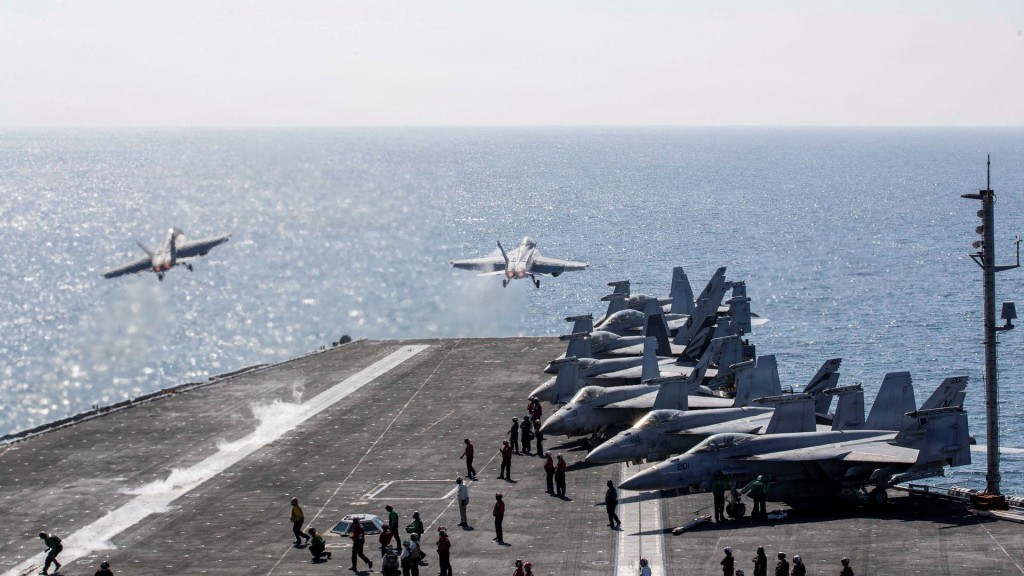
Through Biden's whispers, it has quickly become likely for the People's Liberation Army to find itself fighting US troops directly in Taiwan on land, sea and in the air.
That said, the US could also easily walk back on the promise as an old man may be forgiven for not speaking with clarity.
Alternating between strategic ambiguity and clarity, Biden is working in sync with his officials to expand the scope of the long-standing strategy to include the likelihood of using US troops while not making it official.