Read More



Defying the demographic cliff: restoring hope
06-10-2026 04:56 HKT

At least six hikers fall ill on Chung Yeung Festival holiday
19-10-2026 17:22 HKT

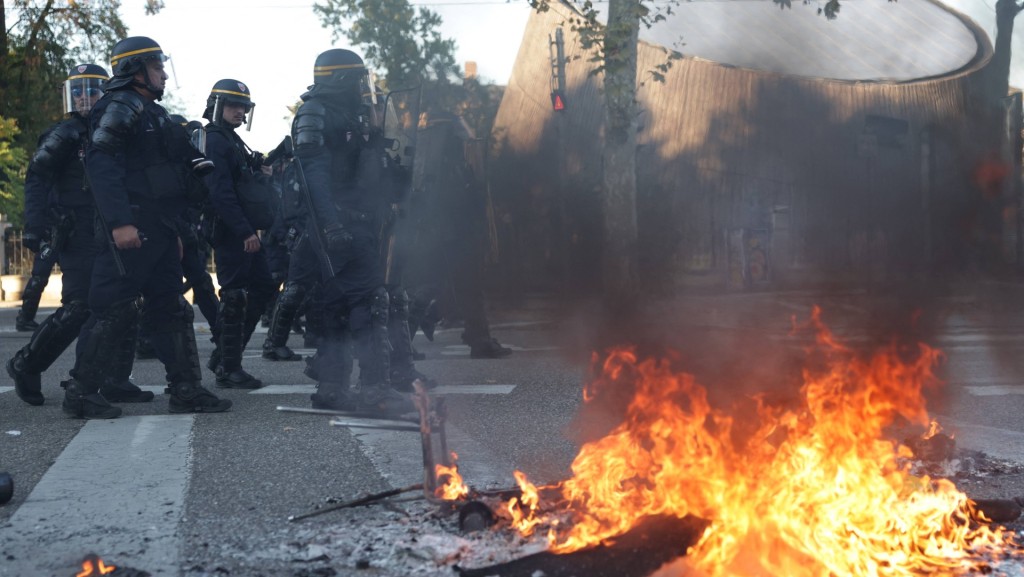
Macron and wife dance at Celine Dion concert amid French riots
19-10-2026 13:26 HKT
The latest pay trend survey findings are revealing in a number of ways.
Instead of showing zero growth or pay cuts in the private sector as anticipated, the government-appointed pay trend survey committee, headed by market veteran Lee Luen-fai, reported results that are making countless jaws drop.
First, it says junior staff in the private sector had wages boosted instead of reduced, as many had personally experienced in the brutal labor market.
As a result, junior civil servants may get a pay rise of slightly over 2 percent.
Second, middle-ranking managers had done even better and should be entitled to 4.55 percent more. Then, top-level administrators trumped everyone else, standing to receive a salary hike of an amazing 7.26 percent.
Lee said they accepted the figures as "correct and accurate" - but I can't help questioning them.
Although the pay trend survey covered 110 companies with 130,000 employees, it missed out on a number of sectors worst hit by the Covid outbreaks, including restaurants, hair salons, pubs and a host of retail businesses.
Even if it is argued that the survey period preceded the city's worst Omicron outbreaks this year, the gap in understanding is just too much to justify.
As the government had to hand out billions of dollars to bail out embattled employers and help workers stay in jobs, it is easy to understand the dropped jaws.
This year's pay trend exercise was flawed - but how should all these glossy figures be understood when Lee called them "correct and accurate"?
Perhaps an accelerated brain drain is the most plausible explanation for the self-contradictory situation.
At senior levels, company directors and senior executives have been leaving Hong Kong steadily for destinations including Singapore and Dubai to escape the SAR's strict quarantine rules.
Late last year, the then-president of the American Chamber of Commerce, Tara Joseph, left Hong Kong to return to the US, saying she had had enough of the Covid restrictions.
And JPMorgan Chase's chief Jamie Dimon said the Covid rules made it difficult to retain staff.
Dimon had top executives in mind, yet in the pay trend survey middle-ranking managers were given higher-than-expected pay rises during the survey period. Why?
This may be due to emigration.
A British Home Office survey of 500 BNO visa holders showed that almost 70 percent of these main applicants had degrees or higher education qualification, one tenth were company directors or senior executive,; 65 percent were professionals or associate professionals, and the rest were experienced in general administrative or secretarial work and other occupations.
These figures complete the puzzle: private employers had to offer more to retain or recruit staff to fill middle-ranking vacancies.
Civil servants, blessed with iron rice bowls, are insulated from labor market turmoil, except for wastage levels that the government has insisted are more or less normal.
For the past two years, the civil service has bucked the trend, with pay freezes rather than anticipated pay cuts giving staff a better couple of years than the private sector.
Civil service pay rises will be a hot potato for incoming chief executive John Lee Ka-chiu to handle if it is not defused before July 1.