Read More




ImmD crackdown targets moonlighting domestic helpers arresting 17
19-05-2026 17:52 HKT
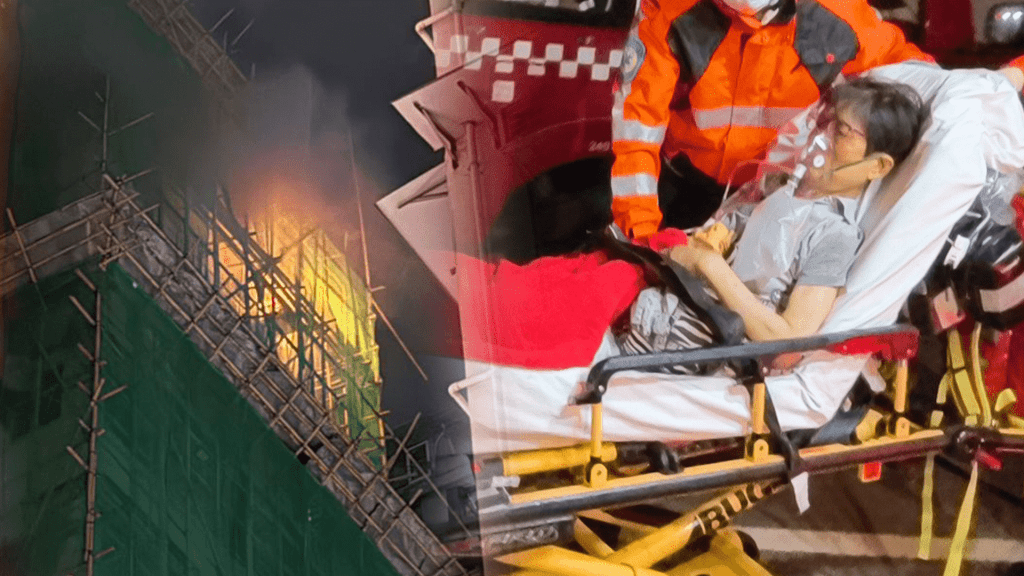
One dead, four injured in Jordan flat fire, 200 residents evacuated
22-05-2026 00:48 HKT
Hong Kong also came under immediate pressure.
Still, the massive hike that the Fed will most likely go for came as a big surprise to many as it is 22 years since the Fed last boosted policy rates by a half-point.
The only uncertainty is whether the momentum of massive hikes will be maintained at subsequent meetings.
But something smells fishy here.St Louis central bank James Bullard had raised the expectation to a three-quarter point increase before Powell toned it down to a half-point.
The two must have acted in concert so that it would be easier for the market to swallow the relatively sweeter pill needed to tame inflation. And the factor will have already been priced in to absorb the shock by the time the Fed actually announces the hike.It is possible that the Fed may follow an even more hawkish path in June and July if Powell meant it seriously when he agreed "there's something in the idea of front-end loading" to rein in runaway inflation.
Greenspan had resorted to such drastic means when, in 1994, the Fed under his chairmanship increased policy rates by three-quarters of a point.What is occurring in the US could become a serious issue for Hong Kong should its interest rate gap widen too large and too fast.
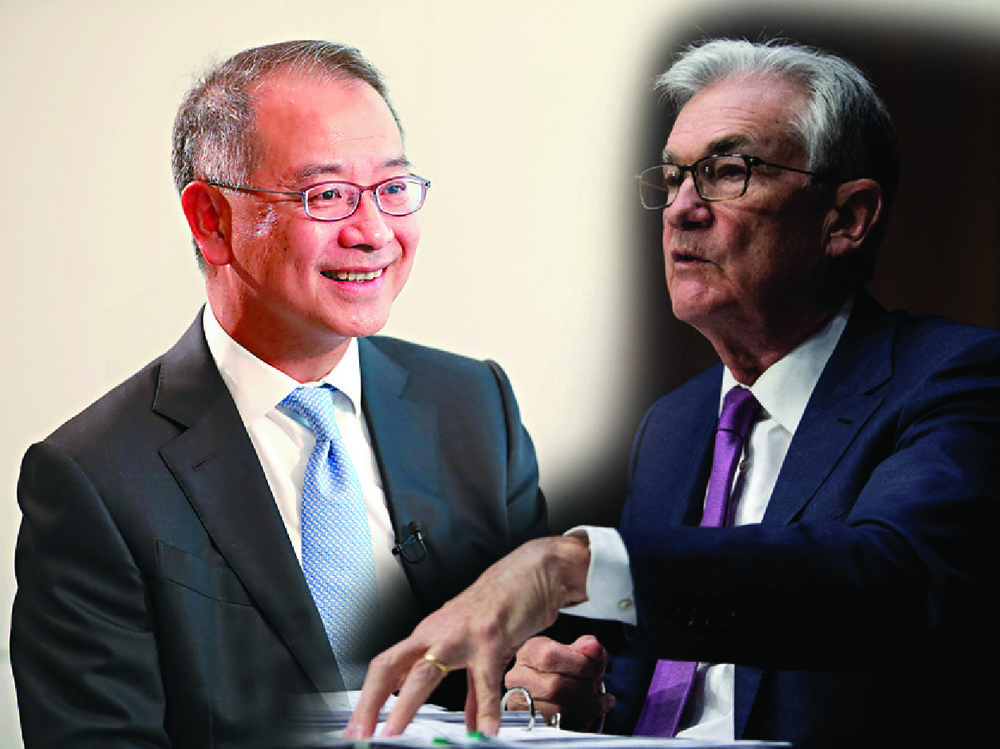
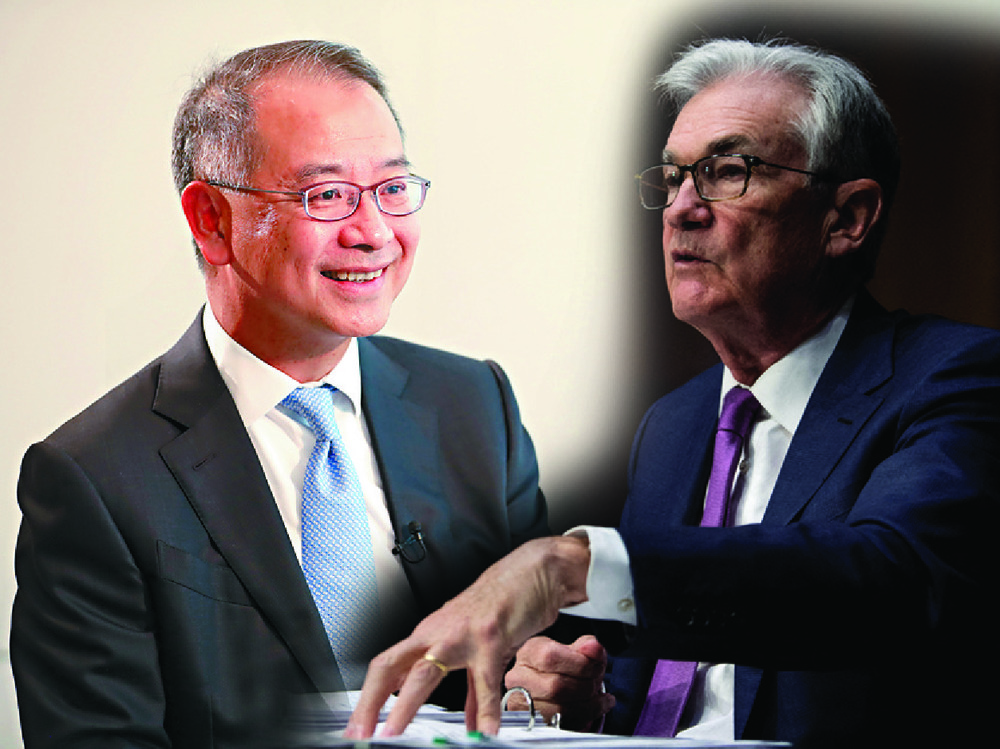
The fact that Hong Kong Monetary Authority chief executive Eddie Yue Wai-man had to sound it out publicly should be viewed by everyone as a sign of the growing risk.It is clear from Yue's words that the risk of capital outflows is on the rise.
As interest rates rise in the US, the greenback strengthens and money flows out of Hong Kong to pursue US-dollar assets to benefit from interest-rate differences and expected asset value appreciation.This may already be happening in view of the Hong Kong dollar's weakening to the allowable limit of the dollar peg.
Understandably, Yue was extremely careful in crafting his remarks, but the bottom-line remains the same: a rising risk for capital to flow out of Hong Kong.The SAR is in a state of "trilemma." When it pegged the local currency to the US dollar, it was aware that - among the "impossible trinity" of fixed exchange rate, free capital flows and monetary sovereignty - it could only choose two of them.
It has given up on monetary sovereignty.The SAR will have to follow to increase interest rates nearly, if not equally, as fast if it does not want to jeopardize the currency equilibrium.
What could be the outcome? Having already risen so much, property prices, for example, would come under pressure.