Read More
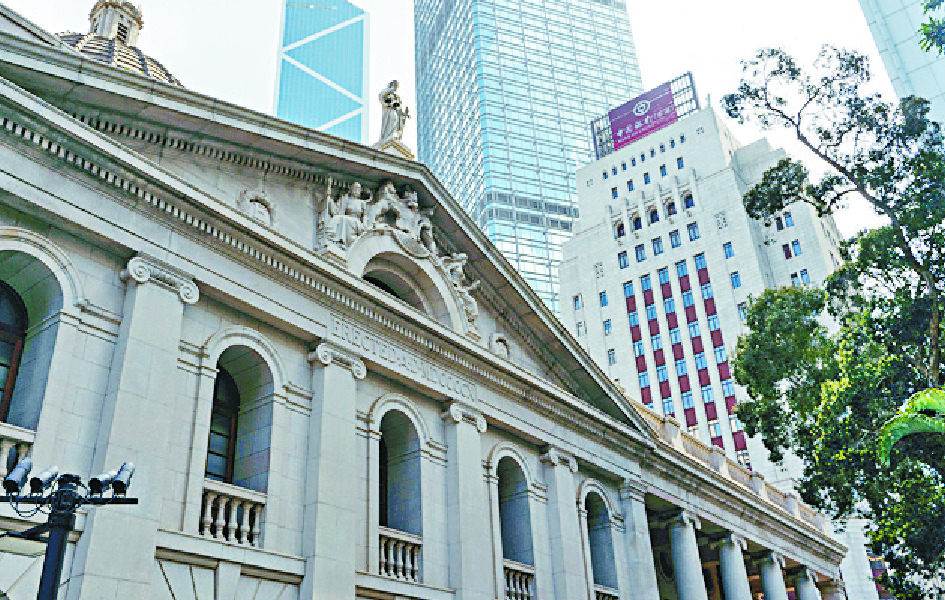
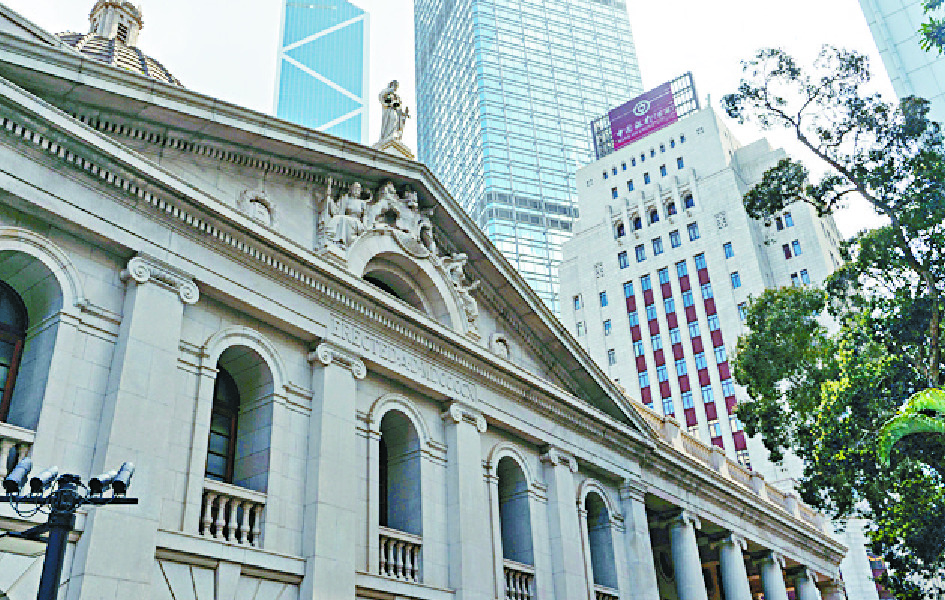
Less than two years after his first statement on the SAR's national security law, British Supreme Court president Robert Reed concluded it is time to quit the Court of Final Appeal here as one of its overseas non-permanent judges.
ADVERTISEMENT
SCROLL TO CONTINUE WITH CONTENT
Going with him is his deputy, Patrick Hodge, who became a non-permanent judge of the CFA last year.
Was this a great surprise? Nope.
Since the promulgation of the national security law here, there have been calls in political circles in London for their judges serving at the CFA to quit in boycott.
As the head of the British Supreme Court, Reed resisted the pressure and remained in the CFA until now.
Despite concerns over a number of provisions in the new security law, Reed opted to wait and see how it would be applied in practice.
It may never be known how much pressure has been put on them over the period as the West built an alliance to stand against China.
That said, it would be imprudent to blame political pressure alone for the departure of Reed and Hodge.
Political pressure certainly played a role but this was not necessarily the whole picture. Had the top judges allowed themselves to be so readily influenced by political considerations, would it have followed that they lacked the quality expected of a CFA judge?
If that were the case, Hong Kong need not react strongly to it.
Local critics may be obliged to reflect on what could have made Reed arrive at the conclusion that they could not continue to sit on Hong Kong benches.
The departures will not impair daily operations of the SAR's judiciary because only a tiny fraction of court cases reach the CFA for an ultimate review.
And it will be business as usual in the lower courts.
Even when a final appeal application is granted, there are still enough judges - including 10 from overseas, albeit all retired - to form the judging panel.
Instead, the damage is more symbolic, affecting how the world views Hong Kong.
As Chief Executive Carrie Lam Cheng Yuet-ngor conceded that Hong Kong faces a new phase of brain drains, she did not fail to mention the need to maintain the SAR's traditional advantages.
Certainly, having an independent and respected judiciary is one of these important qualities - it is vital for the world to agree that Hong Kong's judiciary is sound and apolitical.
Until the return of Hong Kong to China in 1997, its final appeal court was the Privy Council. The system became the CFA following the handover, with judges invited from common-law jurisdictions to sit in the CFA.
The CFA also includes retired judges from the UK and other common-law jurisdictions, including Australia and Canada.
This is a unique arrangement born out of the special circumstances surrounding the return of Hong Kong to China in 1997.
But the departure of the British judges deals a blow to the arrangement.
The local judiciary is also served by expatriate judges at different tiers of the system. Will the incident have a ripple effect?
This could be a challenge facing Chief Justice Andrew Cheung Kui-nung.