Read More





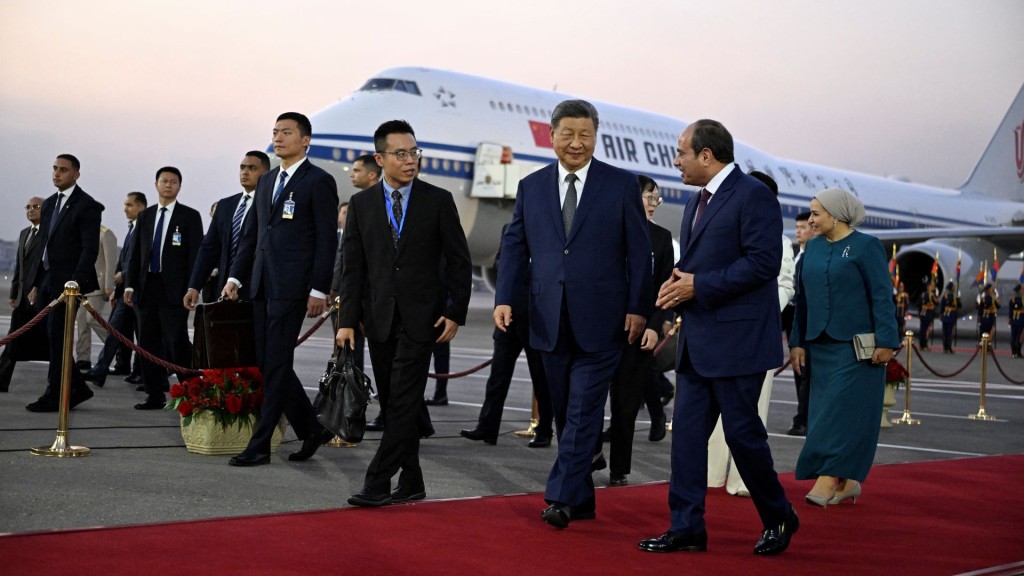
Ahead of an anticipated bilateral encounter with US President Donald Trump as the United States prepares to host the Group of 20 summit in Miami, Chinese President Xi Jinping has embarked on a calculated diplomatic circuit that underscores Beijing's long-term grand strategy.
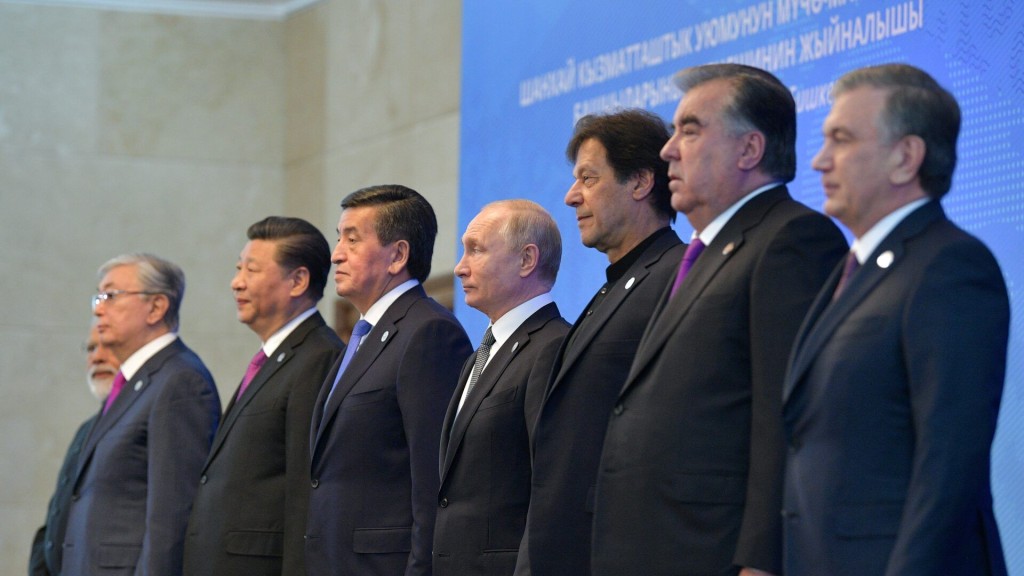
From attending the Shanghai Cooperation Organization summit in Kyrgyzstan and conferring with Russian President Vladimir Putin to undertaking a high-profile state visit to Egypt, Beijing's itinerary is deliberate. Egypt occupies a vital geopolitical crossroads across the Middle East and North Africa: a founding pillar of both the Arab League and the African Union, and an influential member of the newly expanded Brics framework.
By consolidating ties across Central Asia and the Arab-African corridor before engaging Washington, China is sending an unambiguous signal: Its primary strategic anchor lies not in transactional court diplomacy with Western powers, but in deepening institutional solidarity with the Global South.
This disciplined outreach stands in stark contrast to the strategic volatility emanating from Washington. Even as the Trump administration attempts to reassert American primacy, it has systematically strained its traditional alliance networks.
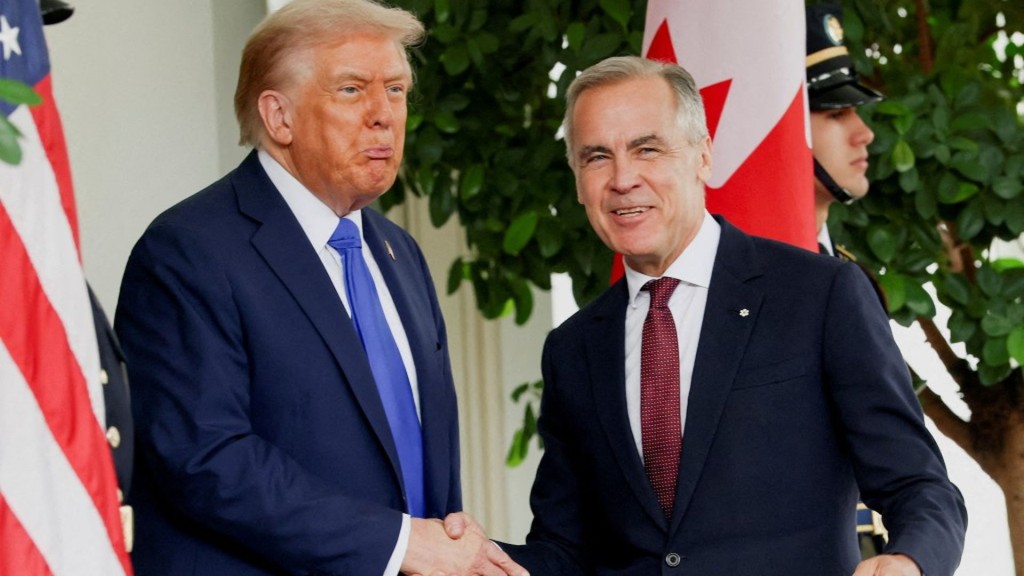
By threatening sweeping tariffs against long-standing partners like Canada and unilaterally extending controversial invitations to Russian finance minister Anton Siluanov for G20 ministerial gatherings, Washington treats international relations as an unpredictable, zero-sum marketplace.
Where American policy generates trade frictions and security anxieties among historic allies, Beijing is presenting itself to the developing world as a stabilizing, consultative partner committed to peaceful development and economic integration.
As the guardian of the strategic Suez Canal amid maritime disruptions fueled by the conflict involving Iran – and as a key regional mediator bordering conflict-torn Gaza – Cairo represents an indispensable partner. Xi's visit demonstrates that China attaches paramount importance to Egypt's security concerns, using the partnership to cement economic cooperation across the wider region.
This diplomatic orientation may stand in contradiction to the trial balloon floated by the Kremlin at the Bishkek summit regarding a potential Xi-Trump-Putin trilateral meeting on the sidelines of November's Asia-Pacific Economic Cooperation summit in Shenzhen.
Beijing has long resisted spectacles reminiscent of 19th-century imperial concert diplomacy. For China, participating in a closed-door triumvirate of superpowers carving up spheres of influence would directly undermine its principled opposition to hegemony and bloc confrontation, while compromising its standing as a champion of the Global South.
By pushing for a three-way summit, Moscow seeks to insert itself into a great-power triad to signal that it remains an indispensable pole on par with Washington and Beijing, while further unsettling the transatlantic alliance.
Yet, the Kremlin's previous efforts to revive tripartite mechanisms – such as the Russia-India-China format – have failed to bear fruit. Furthermore, Beijing has consistently declined trilateral nuclear arms control talks with Washington and Moscow, refusing to be drawn into a great-power bargaining framework that does not reflect strategic realities.
By prioritizing the institutional platforms of Bishkek and Cairo over backroom summitry, China is demonstrating that its geopolitical leverage does not depend on appeasing Washington or indulging in great-power pageantry.
Instead, by anchoring its strategic foundation in the collective interests of the Global South, Beijing is constructing a diversified economic and diplomatic buffer capable of withstanding both Western containment and the disruptive cycles of American unilateralism.