Read More












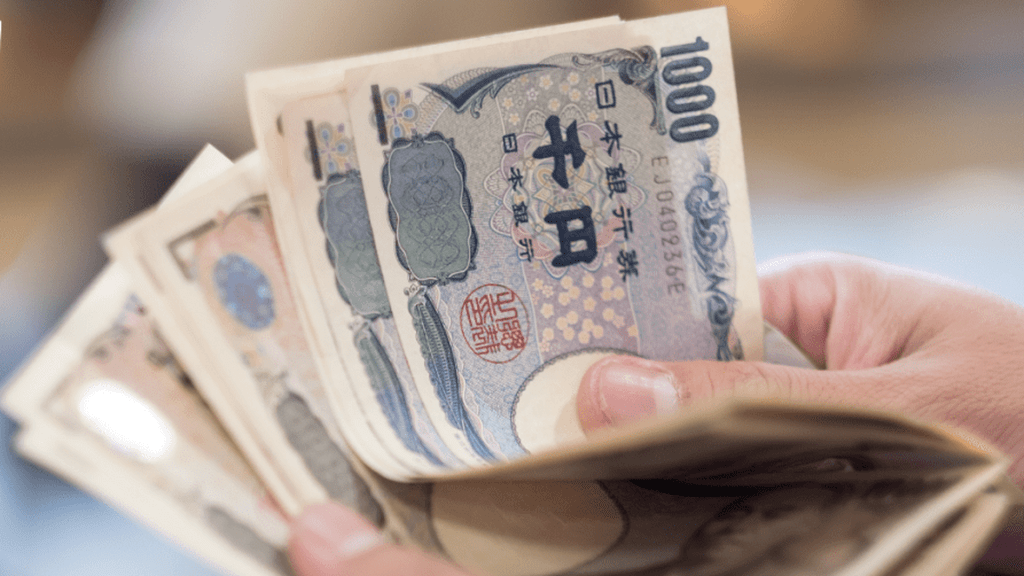
Meeting with Japanese officials on the sidelines of the Group of 20 proceedings, US Treasury Secretary Scott Bessent delivered an unmistakable mandate: Tokyo must take decisive action to arrest the slide of the yen. This latest pressure follows an initial phase of currency intervention that failed to yield lasting results, delivering only a fleeting rebound before market realities dragged the yen back into structural decline.
For Washington, an excessively depreciated yen deepens bilateral trade imbalances and fuels speculative carry trades. Yet, Bessent's demands place Japan inside an acute macroeconomic dilemma. Trapped between incompatible monetary constraints, sovereign debt burdens, and strategic subordination, Tokyo's predicament highlights the structural contradictions of trans-Pacific economic relations – and provides a clear demonstration of why China must resolutely defend its monetary sovereignty.
Tokyo's economic policy is paralyzed by its own structural vulnerabilities. To curb currency weakness and imported inflation, standard monetary doctrine suggests that the Bank of Japan must raise benchmark interest rates. However, with a public debt-to-GDP ratio surpassing 260 percent, meaningful rate hikes would cause Tokyo's debt-servicing obligations to surge, threatening fiscal solvency.
Simultaneously, sustaining large-scale market interventions presents an equally perilous bottleneck. Having already witnessed the underwhelming impact of initial intervention efforts, Tokyo cannot indefinitely burn through reserves. As the world's largest foreign creditor of US government debt, Japan could theoretically finance extended currency operations by selling its vast holding of US Treasuries. Yet liquidating Treasuries at scale would push American bond yields sharply higher, disrupting US financial conditions and provoking immediate pushback from Washington.
Compounding this trap, the fallout from the US confrontation with Iran has elevated global energy costs, worsening Japan's imported inflation and trade deficit, while Washington concurrently pressures Tokyo to shoulder higher defense spending. Squeezed between funding defense outlays, absorbing external energy shocks, and servicing astronomical public debt, Japan has seen its macroeconomic autonomy compromised to accommodate American strategic priorities.
This pressure on Tokyo coincides with an expanding American offensive against Beijing. During the same G20 meetings, Bessent urged member economies to systematically review their trade agreements with China, framing Chinese industrial exports as a primary driver of global trade distortions. This multilateral push echoes previous calls from Western policy circles advocating for a "new Plaza Accord" designed to force a coordinated appreciation of the yuan to bludgeon China's manufacturing cost advantages.
The historical precedent remains a powerful warning. Under the 1985 Plaza Accord, Washington coerced Tokyo into artificially revaluing the yen to offset American trade deficits. That agreement stripped Japan of monetary independence, distorted domestic macroeconomic policy, and contributed significantly to the asset bubbles and prolonged stagnation of the "Lost Decades."
Japan's historical trauma and contemporary paralysis provide an essential lesson for Chinese policymakers.
Accommodating foreign demands on exchange rates or trade structures does not remedy American fiscal deficits or low domestic savings rates; it merely shifts the burden of adjustment onto competitor economies. By witnessing Tokyo's dilemma, Beijing is reinforced in its strategic conviction that preserving absolute monetary sovereignty, exchange-rate autonomy, and self-reliant economic planning is the only reliable shield against external geopolitical containment.