
Read More
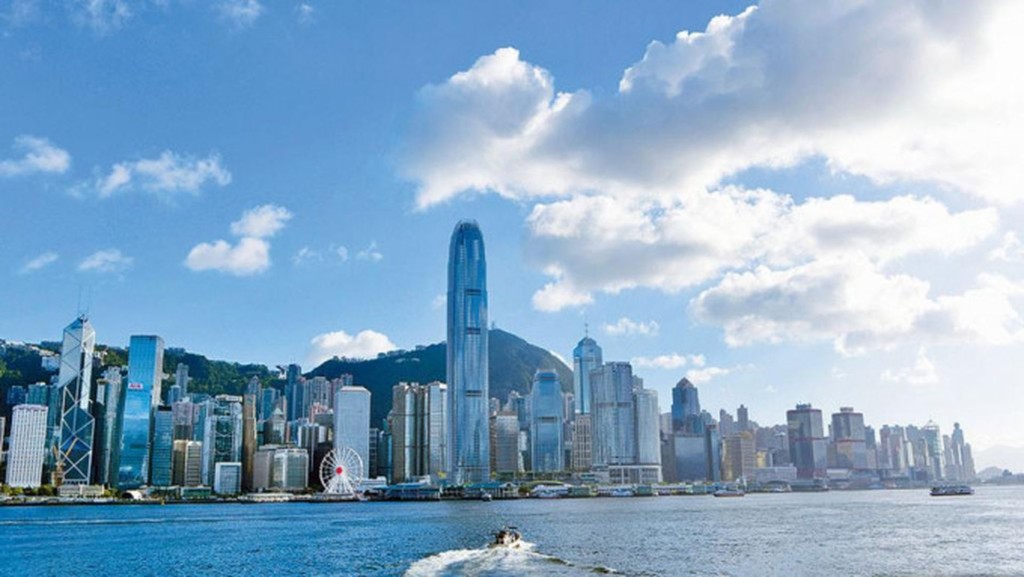
The recent wave of macroeconomic data presents an undeniable counter-narrative to persistent external skepticism regarding Hong Kong’s economic trajectory. With first-quarter GDP accelerating by 5.9 percent – its fastest pace in five years – and external trade recording over 50 percent year-on-year export expansion in mid-2026, the city is demonstrating sharp operational resilience.
ADVERTISEMENT
SCROLL TO CONTINUE WITH CONTENT
Simultaneously, a near-doubling of capital raised through initial public offerings in the first half of the year, exceeding US$27 billion (HK$210 billion), signals a decisive return of primary equity market activity. Yet, while these hard figures effectively dismantle arguments of structural decline, the true strategic task facing policymakers and business leaders is not simply celebrating a cyclical rebound, but converting top-line momentum into sticky, multi-generational institutional capital.
Fact-based reality of financial resilience
The narrative that Hong Kong’s role as an international financial center is dimming is increasingly contradicted by hard capital flows. The territory’s wealth management sector has expanded rapidly, with the number of single family offices surpassing 3,300, reinforcing Hong Kong’s position as Asia’s primary cross-boundary wealth hub.
This influx is driven by structural fundamentals that rival regional hubs cannot easily replicate: a trusted common law framework, unrestricted capital mobility, an aggressive tax regime, and direct, friction-free liquidity corridors connecting global investors to mainland China.
Crucially, the surge in capital deployment extends beyond passive portfolio management. Under targeted strategic enterprise initiatives, more than 120 high-value corporate partners have committed tens of billions in direct investment and high-end research jobs.
By serving as both a “super connector” and a “super value-adder” under the “One Country, Two Systems” framework, Hong Kong continues to offer a dual-exposure model – anchored in mainland growth while fully integrated into global trading architectures – that remains unmatched across regional financial hubs.
From cyclical to structural recovery
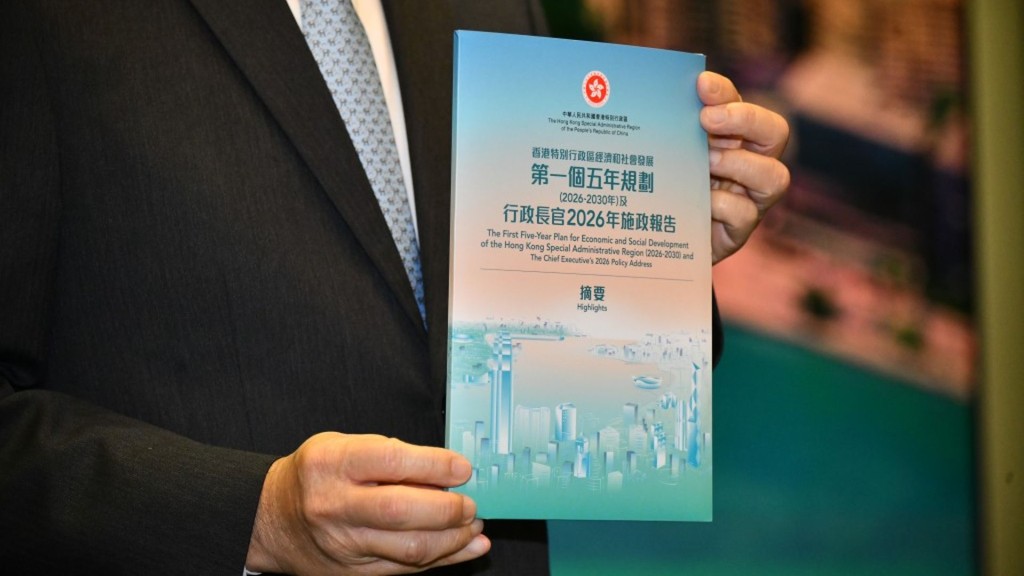
To ensure this momentum outlasts favorable market cycles, Hong Kong must focus on structural execution as it aligns with upcoming national development blueprints.
Silencing critics permanently requires turning top-line statistical gains into deeper domestic market liquidity and real-economy innovation.
Wealth management inflows must be channeled aggressively into local private equity, green finance instruments, and venture capital, transforming passive asset administration into active regional growth capital.
Beyond traditional Western capital, Hong Kong must double down on liquidity corridors with the Middle East and the Global South, solidifying its role as the premier offshore yuan and digital asset hub.
By leveraging its top-tier universities and intellectual property protections, the city must accelerate the commercialization of mainland technological breakthroughs – from robotics to artificial intelligence – acting as the ultimate global launchpad. By pairing undeniable statistical performance with rigorous institutional execution, Hong Kong can transcend rhetoric, cementing its position not just as a resilient market, but as the indispensable engine of global capital allocation.