
Read More
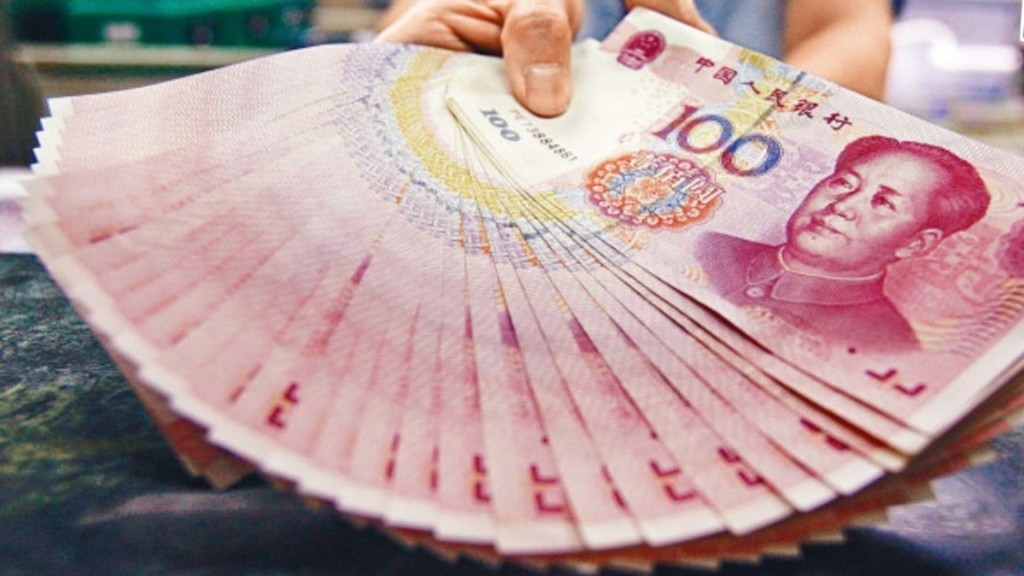
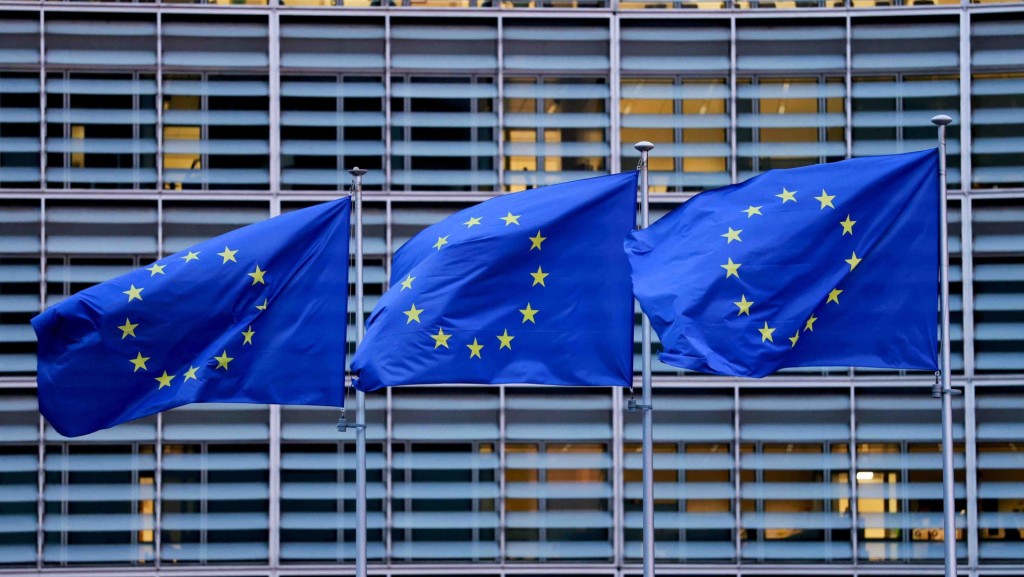
The European Union is trapped in a profound economic and geopolitical dilemma. As Brussels struggles to project a unified front against Beijing, it faces both a soaring trade deficit – which EU officials estimate has reached €1 billion(HK$9.05 billion) a day – and persistent friction over alleged Chinese dual-use support for Russia’s war effort in Ukraine.
ADVERTISEMENT
SCROLL TO CONTINUE WITH CONTENT
Yet, attempts by Brussels to leverage its collective market scale are routinely undermined by deep-seated internal divisions among its 27 member states, each harboring vastly different economic exposures to China.
Germany, the bloc’s export powerhouse, remains heavily reliant on China’s market for its automotive and manufacturing giants.
This vulnerability drove Berlin’s intense hesitation over EU tariffs on Chinese electric vehicles, fearing swift retaliation against its own luxury carmakers.
Meanwhile, France champions “strategic autonomy” in principle while continuing to secure lucrative aerospace and luxury contracts in Beijing. Simultaneously, Spain has leaned toward a more pragmatic relationship with China, partly fueled by diplomatic friction with Washington over US foreign policy in the Middle East.
China’s tit-for-tat escalation
Even the historically hawkish Central and Eastern European states are recalibrating. Lithuania has quietly sought to de-escalate tensions following the severe trade fallout from opening a Taiwan Representative Office in Vilnius.
Similarly, the Czech Republic has pivoted toward a pragmatic, business-first stance under its national-conservative leadership, stepping back from earlier ideological confrontation.
This lack of cohesion leaves Europe exceptionally vulnerable to targeted economic pressure. When Brussels added 14 Chinese firms to a sanction list over alleged military-industrial ties with Russia, Beijing responded swiftly by imposing aggressive export controls on 14 major European entities, including German defense prime Rheinmetall AG.
By applying rapid shock tactics to select defense and industrial targets, China effectively exploits internal fault lines, triggering immediate panic across individual European capitals.
The critical mineral asymmetry
These vulnerabilities stem from both the EU’s institutional design and its structural resource dependencies. The complex consensus-building process among 27 member states allows individual capitals to bottleneck swift countermeasures.
More critically, Europe relies almost entirely on Chinese processing for the rare earths and critical minerals vital to its green energy transition. This asymmetry leaves Brussels walking a dangerous tightrope: it cannot push a trade dispute too far without risking a total stall in its decarbonization timeline.
While Brussels has launched a multi-pronged “de-risking” strategy – combining domestic legislation, subsidy funds, and global mineral partnerships – building local refining capacity will take years.
European producers continue to battle elevated energy costs relative to China, alongside persistent local environmental opposition to new domestic mining projects.
As Washington signals potential strategic retraction and American soft power across Europe wanes, European “strategic autonomy” remains more of an aspiration rather than a reality. Until Brussels can reconcile the divergent national interests of its member states with its severe supply chain vulnerabilities, a coherent China strategy will remain out of reach.