Read More









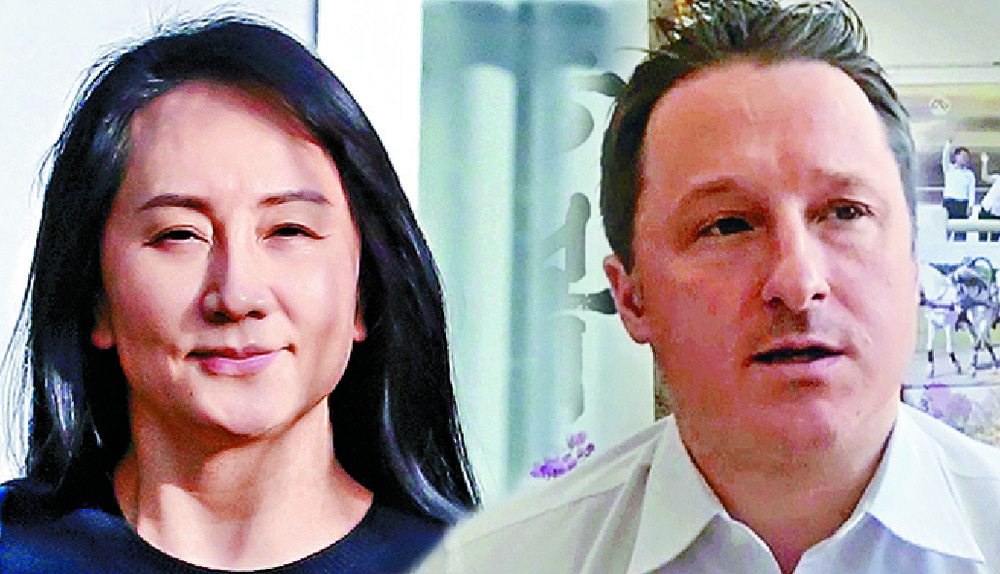
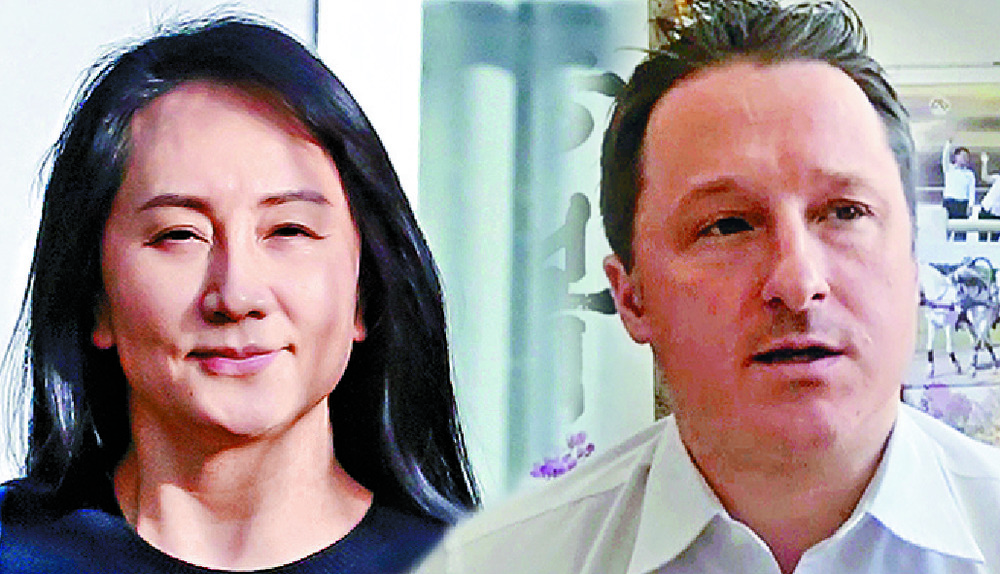
Since Meng was arrested at a Vancouver airport in December 2018, her high-profile team has focused on challenging the due process with allegations of abuse of process.
Despite all the nitty-gritty law work, the elephant in the room with the Meng case is the ever-escalating Sino-US conflict on the global level.
Yesterday, businessman Michael Spavor was sentenced to 11 years after he was convicted of espionage. He will be deported after serving the sentence.
The day before, Robert Schellenberg lost his appeal against his death sentence for drug trafficking.However, the fate of a third Canadian - former diplomat Michael Kovrig - is still hanging in the balance.
China arrested both Kovrig and Spavor after Canada stopped Meng during a transit stop in Vancouver and arrested her at the request of the US.Chinese officials said the incidents were unrelated, while many others argue otherwise.
There was a grain of truth in remarks by Canada's former ambassador to China, Guy Saint-Jacques.He likened what is going on in China to "hostage diplomacy," saying that now Schellenberg's death sentence was upheld, the only hope for him would be whether his case could become part of a "grand bargain" swap deal, with the US dropping its extradition request for Meng in exchange for the jailed Canadians.
Saint-Jacques wasn't the only person to liken the cases to a hostage situation. In his final arguments, Meng's lead lawyer Richard Peck recalled what then-US President Donald Trump said after Meng's arrest.Trump commented on Meng's arrest as he spoke to Reuters, saying: "If I think it's good for what will be certainly the largest trade deal ever made, which is a very important thing - what's good for national security - I would certainly intervene, if I thought it was necessary."
Peck likened the comments to a "ransom" demand, saying that Trump reduced Meng to a "chattel, a bargaining chip."Peck said Trump's words amounted to an implication that the freedom of Meng was subject to a deal "that is the very definition of ransom."
So aren't they all hostages, though subject to different perspectives?Now the cases involving two Canadians have finished, what will happen to the last one - Kovrig? Will he be sentenced very soon too?
If Saint-Jacques was again correct in his observation that the timing of the Schellenberg and Spavor verdicts was strategically timed - not only to Meng's extradition hearing that is entering the final stages, but also Canada's upcoming federal elections - a decision on Kovrig would depend on how the actual extradition hearing goes.Beijing may wait to exert the maximum pressure.