Read More









As geopolitical tensions escalate in the Middle East, Beijing’s calculated diplomacy demonstrates that strategic patience outweighs military entanglement.
In an era where global powers are often quick to project force, China’s measured response to the Iran conflict stands as a testament to diplomatic maturity. Despite substantial investments in Iranian infrastructure and energy sectors, Beijing has exercised remarkable restraint, limiting its response to diplomatic calls for de-escalation rather than military posturing. This calculated approach is not weakness – it is geopolitical wisdom of the highest order.
Had China, as the world’s second-largest economy, chosen military involvement, the consequences would have been catastrophic. The conflict would immediately transcend regional boundaries, creating a polarized world order eerily reminiscent of 1914.
When economic superpowers choose sides, smaller nations feel compelled to follow, creating an avalanche effect that history has shown rarely ends well.
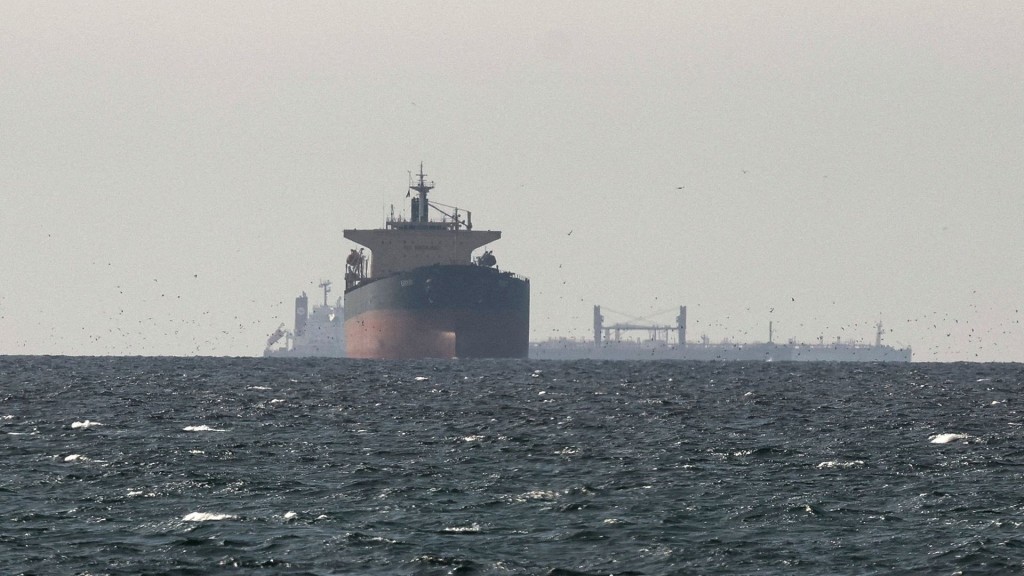
The complexity of 21st-century warfare differs fundamentally from past conflicts. Today’s interconnectivity means that a shot fired in the Strait of Hormuz ricochets through every global market. Supply chains, digital infrastructure, and financial systems would become collateral damage in any major confrontation.
If China were to intervene militarily, it would almost certainly align with Iran. Such a scenario presents an immediate question: Could Sino-American trade negotiations continue amidst active military opposition? The absurdity of negotiating tariffs while supporting opposing sides in a war highlights precisely why Beijing has chosen restraint.
US President Donald Trump’s call for nations including China, France, and the United Kingdom to protect the Strait of Hormuz reveals the fundamental contradiction in modern geopolitics. Even traditional US allies like Japan and South Korea hesitate to commit naval resources. The reasons are twofold: prohibitive military costs and, more significantly, the diplomatic quagmire of choosing sides in a region where most nations have vital energy interests at stake.
Every country reliant on Gulf oil faces an impossible choice: join a coalition and alienate Iran, or remain neutral and risk US displeasure. China recognizes that the Strait of Hormuz is a global waterway – its protection should be a multilateral responsibility, not a vehicle for alliance-building.
Ukraine’s conflict with Russia has forced it into perceived alignment with US interests, demonstrating how smaller nations lose agency when superpowers confront each other. On the opposing side, this dynamic is mirrored by the growing alignment between Russia and Iran. China’s refusal to create similar dynamics in the Middle East prevents a cascade of nations being forced into binary choices.
The parallels to World Wars I and II are unmistakable. In both cases, complex alliance systems transformed regional disputes into global conflagrations.
Nations stumbled into war because they felt compelled to honor commitments or counter perceived threats. China’s current approach deliberately avoids creating those commitment traps.
By maintaining diplomatic engagement while refusing military involvement, China preserves its ability to mediate, protects its investments, and prevents the polarization that precedes global conflict.
In a world where every nation’s prosperity depends on shared stability, such restraint deserves not criticism but emulation.
The 21st century demands new approaches to old problems. China’s strategy in the Iran conflict suggests that sometimes the most powerful action is knowing when not to act at all.