Read More
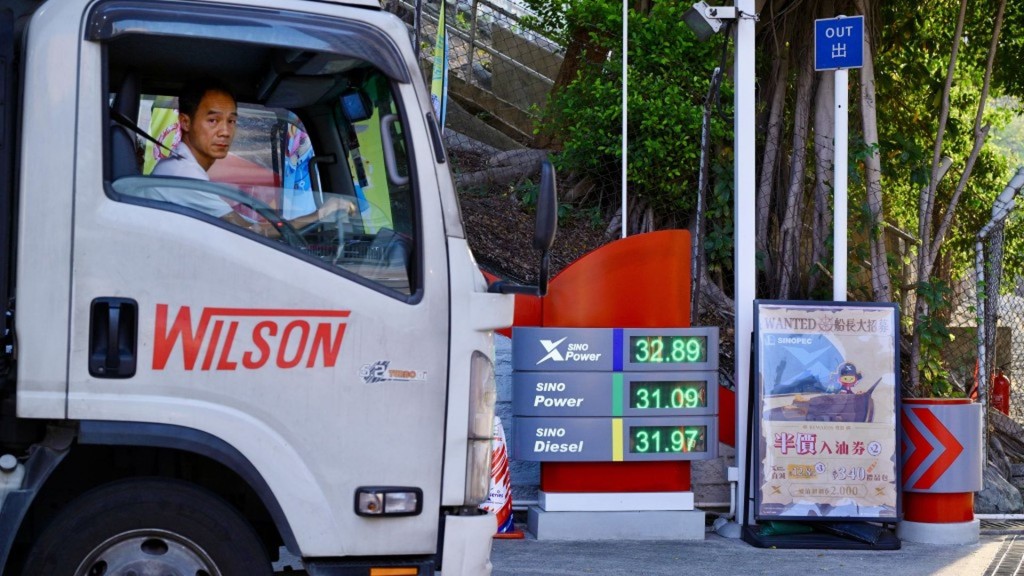
The global fuel crisis has underscored energy security’s importance, accelerating the transition to low-carbon alternatives. China has emerged as a frontrunner in this transformation, and Hong Kong – with its unique international positioning – can serve as the essential middleman for exporting Chinese energy technology and establishing pricing mechanisms in global markets.
ADVERTISEMENT
SCROLL TO CONTINUE WITH CONTENT
China’s energy paradox drives innovation
Most nations depend on fuel imports, and mainland China exemplifies this paradox. Despite substantial oil fields, domestic demand consistently outstrips supply, creating an imperative for diversification. This supply-demand gap has inadvertently catalyzed China’s progress in developing alternative energy sources.
Climate mitigation and environmental preservation demand shifting from carbon-intensive fuels toward renewables, hydrogen, and nuclear power. Each solution carries controversies: intermittency for solar and wind, cost concerns for emerging tech, and safety debates around nuclear. Yet these challenges have not deterred China’s ambitious energy innovation.
Fossil fuels’ lingering presence
Despite the momentum for energy transition, fossil fuels still account for approximately 80 percent of global energy mix. This persistent reliance underscores both the transformation challenge and the immense market opportunity for leading nations.
Critically, energy transition offers nations a pathway to reduce import dependence and achieve genuine self-sufficiency. For countries vulnerable to price volatility and supply disruptions, this carries profound geopolitical significance.
China’s accelerating energy dominance
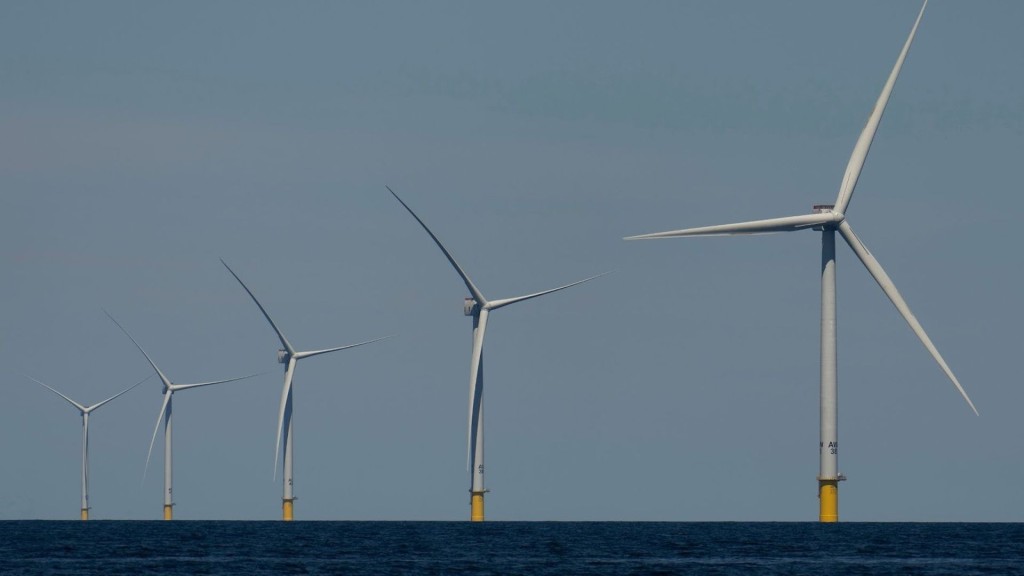
China is set to become the global leader of nuclear power generation by 2030. Simultaneously, China dominates renewable categories, including solar installation, wind development, hydroelectric capacity, and geothermal exploration. These technologies share a crucial connection: they can power electrolysis to produce green hydrogen, creating an integrated clean energy ecosystem.
Energy storage represents the next frontier, with higher-capacity battery systems essential for addressing intermittency. Chinese manufacturers and researchers are racing to solve this critical puzzle.
Hong Kong’s middleman opportunity
China’s energy achievements parallel its high-speed railway diplomacy. The nation that transformed from a technology importer to a global leader now possesses export-ready solutions capable of reshaping global infrastructure. Combined with carbon credit trading, this strategy offers both economic returns and diplomatic influence.
For Hong Kong, this moment presents an unparalleled opportunity. As an international financial center connecting mainland innovation with global markets, Hong Kong can serve as the essential intermediary – structuring transactions, establishing pricing mechanisms, and connecting Chinese solutions with overseas demand. The city’s legal framework, financial expertise, and international trust position it uniquely for this role.
By seizing this opportunity, Hong Kong can advance global climate goals, strengthen China’s energy diplomacy, and carve out its economic niche in the 21st century’s defining industrial transformation.