Read More







As geopolitical tensions in the Gulf escalate, the world faces a perfect storm of inflation, a strong dollar, and market panic – but is Asia better prepared this time?
The smell of another financial crisis is in the air, warned Lloyd Blankfein, Goldman Sachs chief during the 2008 financial tsunami. But this time, the trigger may not be sub-prime mortgages in the United States or currency speculation in Bangkok. Instead, the fuse is burning in the volatile sands of the Middle East.
Following recent military actions by US and Israeli forces against Iran, global markets have convulsed. The Korean stock market was halted by circuit breakers, and Thai markets followed suit with sharp declines. We have seen this movie before – but the sequel may have a terrifying new plot.
At first glance, the current situation echoes the Asian Financial Crisis of 1997. The US dollar is strengthening, which typically pulls capital out of emerging markets and back to America. Historically, this repatriation of the greenback devastated economies with high leverage and excessive borrowing.
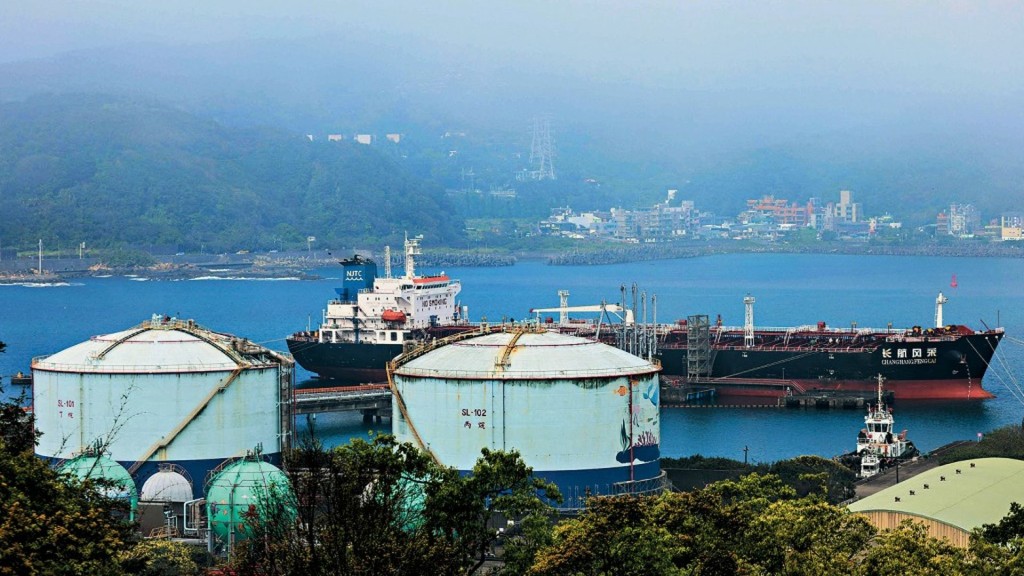
However, the catalyst today is distinctly different: energy. Unlike the purely financial collapse of 1997, we are now facing a supply-side shock reminiscent of the 1970s oil crises. With the Strait of Hormuz – a passage for a fifth of the world’s oil – turning into a war zone, energy exports are hampered. Revolutionary Guard attacks on tankers and the soaring cost of transport – with evacuation flights from the Gulf costing up to HK$1.82 million – signal rampant inflation.
This leaves central banks in an impossible dilemma. Do they hike interest rates to fight inflation, potentially killing a fragile economic recovery? Or do they hold steady and let inflation burn through consumer wealth? This “stagflationary” pressure is the nightmare scenario that 1997 did not have to contend with.
There is a significant difference between 2026 and previous crises: the geopolitical landscape. Traditional safe havens are showing cracks. London, once the unshakable center of global finance, has been weakened by post-Brexit adjustments and capital flight. Meanwhile, Dubai, which rose as the Middle East’s premier trading hub, is now perilously close to the conflict zone.
In a world where the West is unstable and the Middle East is burning, capital must go somewhere. This brings us to the concept of the “Rising East, Declining West.”
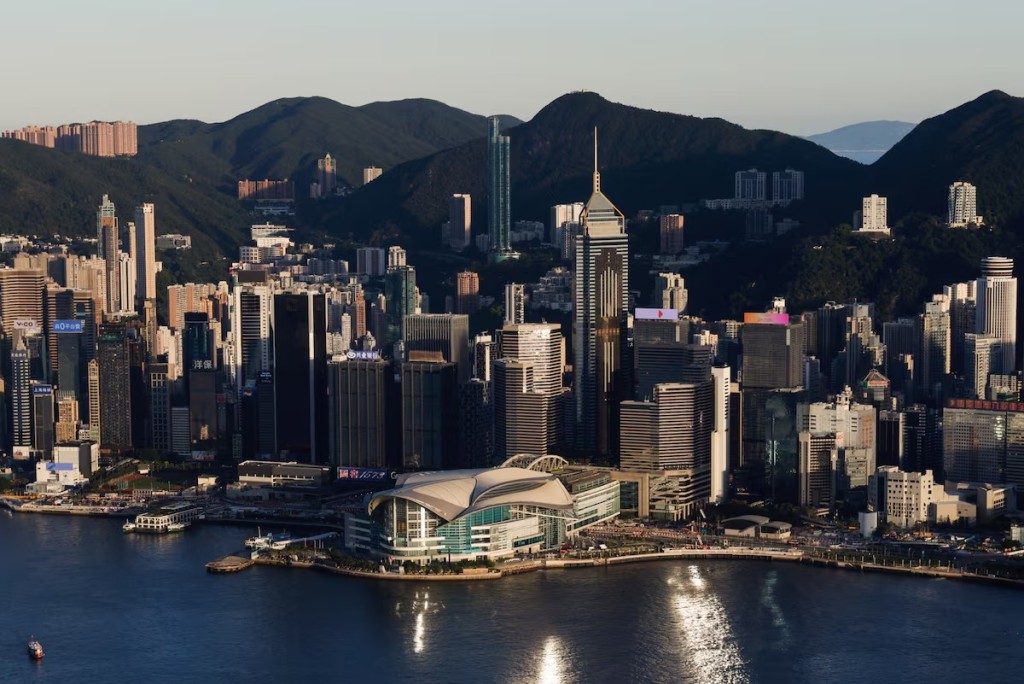
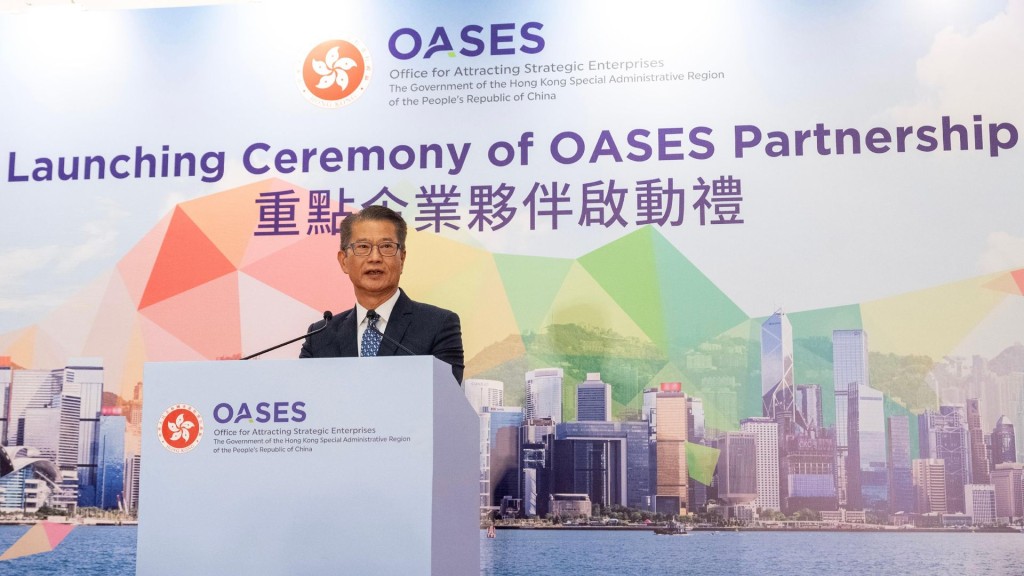
Analysts argue that while Hong Kong is an open economy and will inevitably feel the tremors of a global sell-off, its unique position offers a buffer. Backed by the economic resilience of mainland China, Hong Kong may paradoxically emerge as a relative safe haven. As the US dollar strengthens but geopolitical risks in the US and Europe rise, the credibility of the yuan and the stability of Hong Kong’s financial infrastructure become increasingly attractive.
Governments claim they are better prepared. They point to stronger banking regulations and currency swap lines built after 1997 and 2008. However, no amount of preparation can fully insulate the world from a prolonged energy war. If the conflict in the Middle East persists, the combination of energy-induced inflation, dollar strength, and market panic could trigger a global downturn.
For investors, the message is clear: diversification is no longer optional. The “safe” Western markets are volatile, and the “exotic” emerging markets are risky. In this chaotic reordering of the global economy, stability may be found in the very place that was once written off – the East.