





Read More









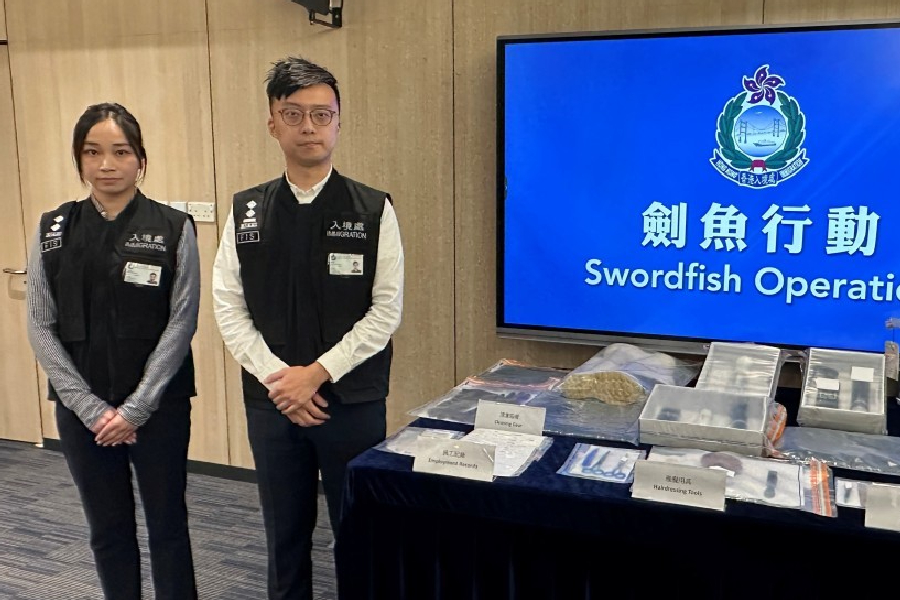
ImmD crackdown targets moonlighting domestic helpers arresting 17
19-05-2026 17:52 HKT

One dead, four injured in Jordan flat fire, 200 residents evacuated
22-05-2026 00:48 HKT


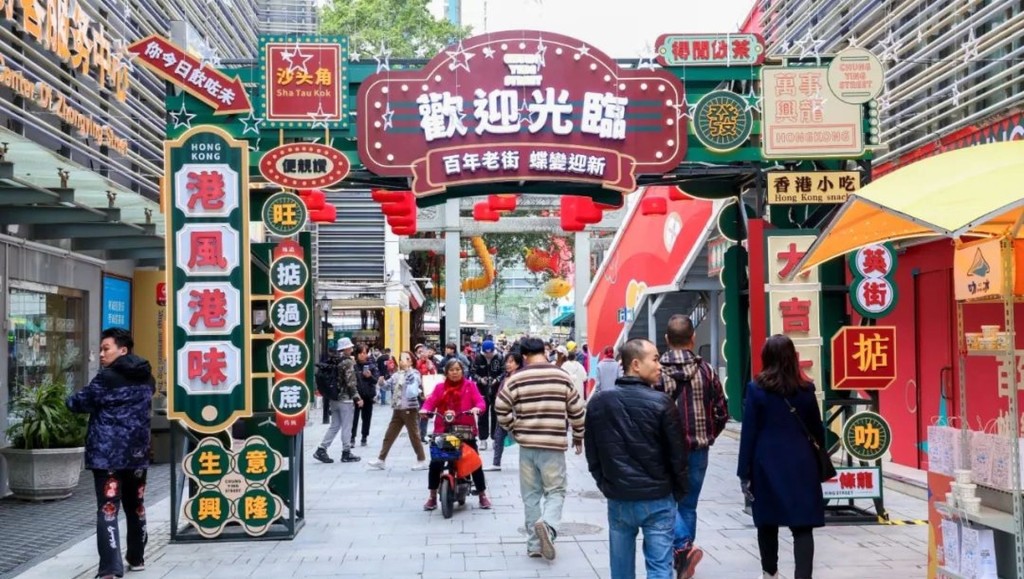
As Sha Tau Kok’s Chung Ying Street is set to reopen soon, Hong Kong’s forthcoming stablecoin licenses could revolutionize cross-border payments and transform the visitor experience.
When Sha Tau Kok’s Chung Ying Street – that unique demarcation line running through communities and separating Hong Kong from Shenzhen – fully opens to visitors, it will symbolically reunite not just families and friends, but two distinct economic systems. Hongkongers, mainlanders, and overseas tourists will soon flow freely through this historic border crossing, eager to explore the Greater Bay Area’s dynamic offerings.
Yet one persistent friction point remains: currency – with Hong Kong dollars on one side and yuan on the other. For visitors, this means carrying two wallets, calculating exchange rates on the fly, and absorbing transaction fees that dim the glow of every purchase. For local businesses, it means managing multiple currencies and bearing the costs of cash handling and exchange.
Hong Kong’s forthcoming stablecoin licenses – with the first batch expected next month – arrive at an extraordinarily opportune moment. These digital assets, pegged one-to-one to traditional currencies like the US dollar or the Hong Kong dollar, offer a seamless solution to the border’s currency conundrum.
Imagine a tourist loading a stablecoin wallet via credit card before departure, then spending effortlessly at shops, restaurants, and attractions throughout the Greater Bay Area. No currency confusion, no hidden fees, and no frustrating moments at cash registers. The technology exists today; the regulatory framework arrives next month.
Beyond convenience lies opportunity. Stablecoins provide a powerful mechanism for stimulating economic activity, particularly during evening hours when the night economy comes alive.
Local governments and business associations could distribute stablecoin credits directly to visitors’ digital wallets – funds usable exclusively during evening hours at participating restaurants, entertainment venues, and retail establishments. Unlike direct handouts to residents, which have drawn criticism for distorting local markets and creating dependency, visitor-targeted incentives stimulate genuine economic activity.
A tourist receiving stablecoin credits for evening spending will explore neighborhoods, try local cuisine, and extend their stay – creating ripple effects throughout the hospitality ecosystem. The transparency and programmability of stablecoin transactions ensure these incentives reach their intended targets and generate measurable economic impact.
China’s recent clarification that cryptocurrency trading remains banned while stablecoins fall outside this prohibition opens significant possibilities. This regulatory distinction acknowledges what economists have long understood: properly structured stablecoins backed by traditional reserves function more like digital payment rails than speculative assets.
Hong Kong’s stablecoin development can thus tap opportunities emerging from mainland China’s regulatory stance. As the Greater Bay Area integrates further, a Hong Kong-issued stablecoin could become the de facto digital currency for cross-border transactions – not competing with the yuan but complementing it, providing a familiar, stable medium for international visitors while maintaining the mainland’s monetary sovereignty.
The timing aligns perfectly. With Chung Ying Street’s reopening capturing regional headlines and the first stablecoin licenses imminent, Hong Kong possesses a rare promotional opportunity. The message writes itself: “Hong Kong leads the way in digital currency innovation, making travel across the Greater Bay Area seamless for visitors from around the world.”
Tourism boards, financial regulators, and industry stakeholders should coordinate promotional campaigns highlighting how stablecoin adoption enhances the visitor experience. Demonstrations at border crossings, partnerships with credit card issuers for easy stablecoin loading, and collaborations with merchants throughout the night economy corridor could showcase this innovation in action.
Stablecoin technology represents more than financial innovation – it builds the digital infrastructure for a truly integrated Greater Bay Area. As visitors move freely between Hong Kong and Shenzhen, their digital wallets will carry value that respects neither borders nor currency differences.
For the night economy, for tourism, and for the thousands of small businesses serving visitors along the Chung Ying Street corridor and beyond, stablecoins offer a path forward. The licenses arrive next month. The border is reopening. The opportunity awaits those ready to seize it.