





Read More

Green corridor: HK’s next big bet with Central Asia
01-06-2026 05:43 HKT



Nine days of rain ahead as temperatures dip, Observatory says
09-06-2026 17:35 HKT


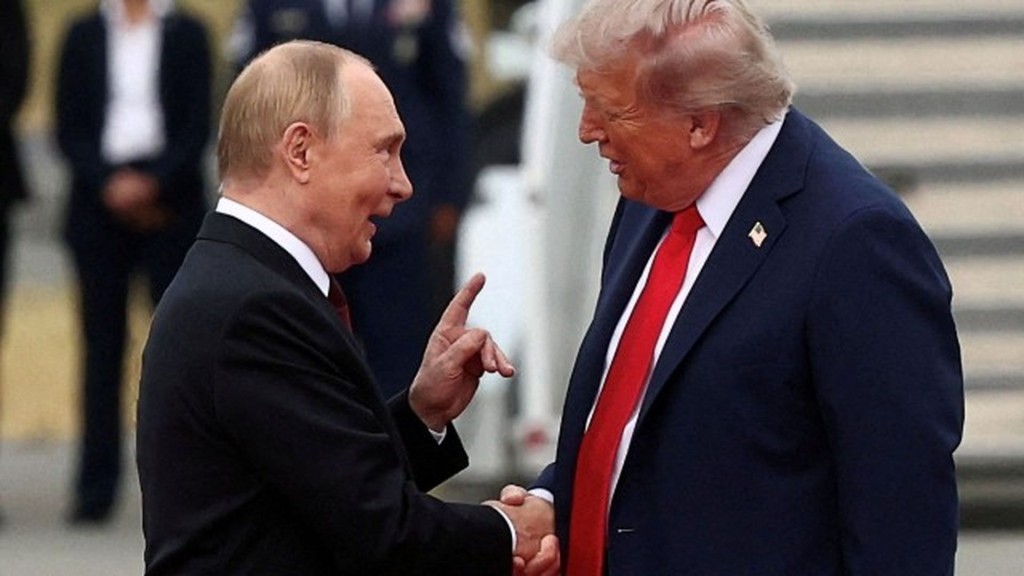
The once unshakable foundation of the post-war global order – American leadership and its core alliances – is showing profound cracks. Under President Donald Trump, the United States has adopted a posture of transactional aggression, unsettling even its closest English-speaking partners. This disruption is creating an unexpected geopolitical opening, with nations like Canada and the United Kingdom increasingly viewing China not just as an economic power, but as a potential partner for stability. The world is witnessing a pragmatic, interest-driven realignment in real-time.
The “Five Eyes” intelligence alliance – comprising the US, UK, Canada, Australia, and New Zealand – symbolized more than just shared secrets; it represented a confluence of strategic interests and values. Today, that unity is under unprecedented strain. Trump’s trade threats against Canada, musings on purchasing Greenland, and a general disregard for multilateral frameworks have left allies feeling vulnerable and uncertain. When the guarantor of security becomes a source of volatility, nations must inevitably reassess their options.
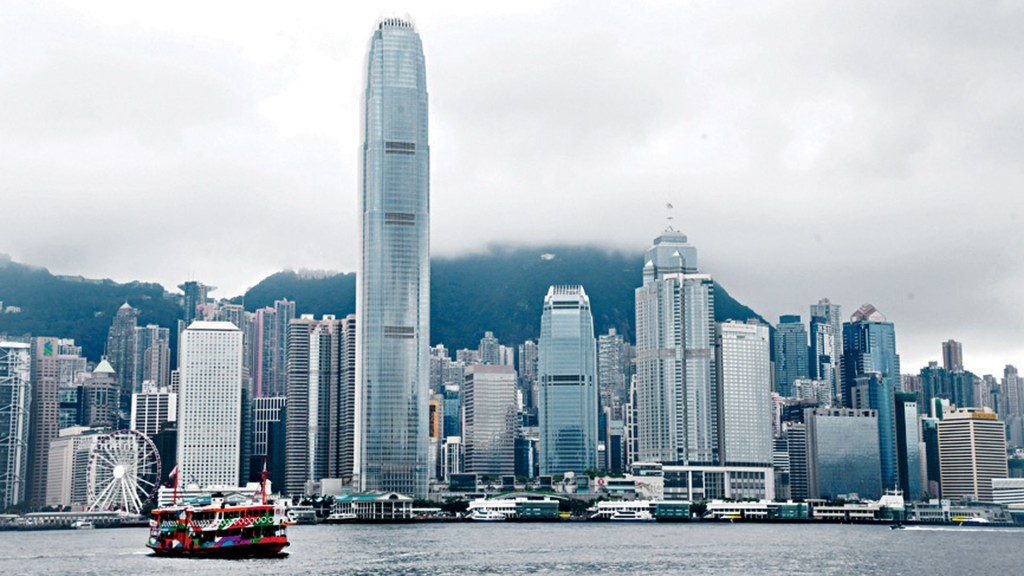
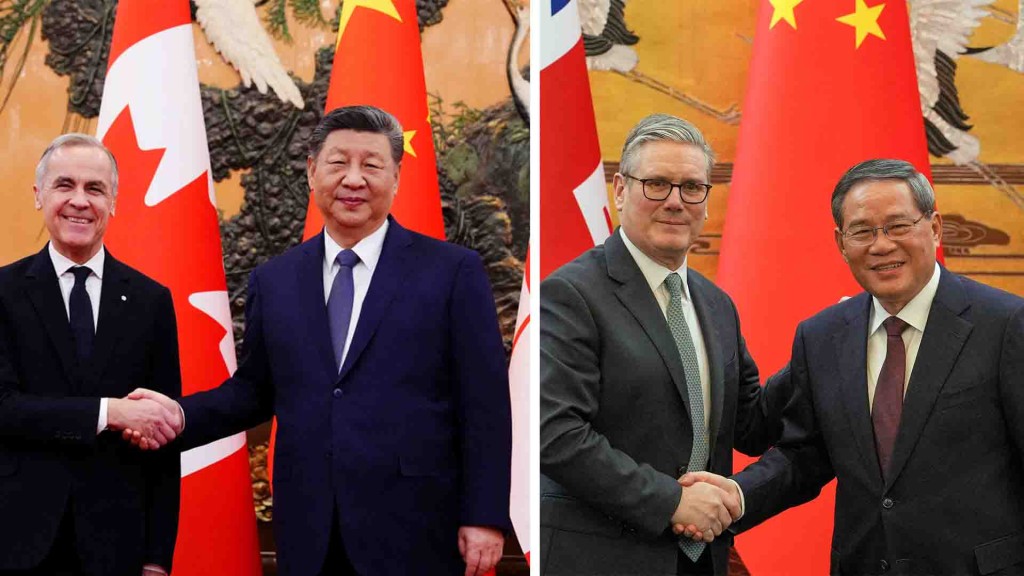
For leaders like Canada’s Prime Minister Mark Carney and the UK’s Keir Starmer, the calculus is shifting toward China. With “almost nothing seeming normal in the United States,” as Carney noted, the appeal of China’s massive market and predictable, long-term economic planning grows. Starmer’s acknowledgment of China as a “vital player” and his focus on Hong Kong’s potential role as a “bridge” highlight this pragmatic turn. It leverages historical ties and deep diaspora connections, prioritizing tangible economic and diplomatic stability over ideological alignment.
The tension is most acute in Australia, caught between its historic security alliance with the US and its profound economic interdependence with China. The controversy over the 99-year lease of the port of Darwin to a Chinese company encapsulates this bind. As a crucial hub for US military forces, its Chinese ownership is a strategic headache. Australia’s reported desire to “buy back” the port underscores the escalating mistrust, fueled by broader Chinese investments across its economy. Canberra faces an unenviable task: navigating Washington’s confrontational stance while protecting its own economic interests, with no clear resolution in sight.
This is not a simple story of allies abandoning the US for China. It is, however, a clear signal that “America First” is accelerating a multipolar world. For traditional US partners, interests are now paramount. They will engage with China where it benefits them – seeking economic certainty, infrastructure investment, and a seat at the table on global issues – while attempting to retain security links with Washington, although Starmer said before that he was not forced to choose between China and the US.
The ultimate outcome remains uncertain. But the message from capitals like Ottawa and London is clear: in a world where American policy is erratic and self-interested, other powers will act accordingly. China, for all its complexities, is presenting itself as the stable alternative. The global order is not just being upset; it is being actively rewritten, with national interest as the primary author.