Read More

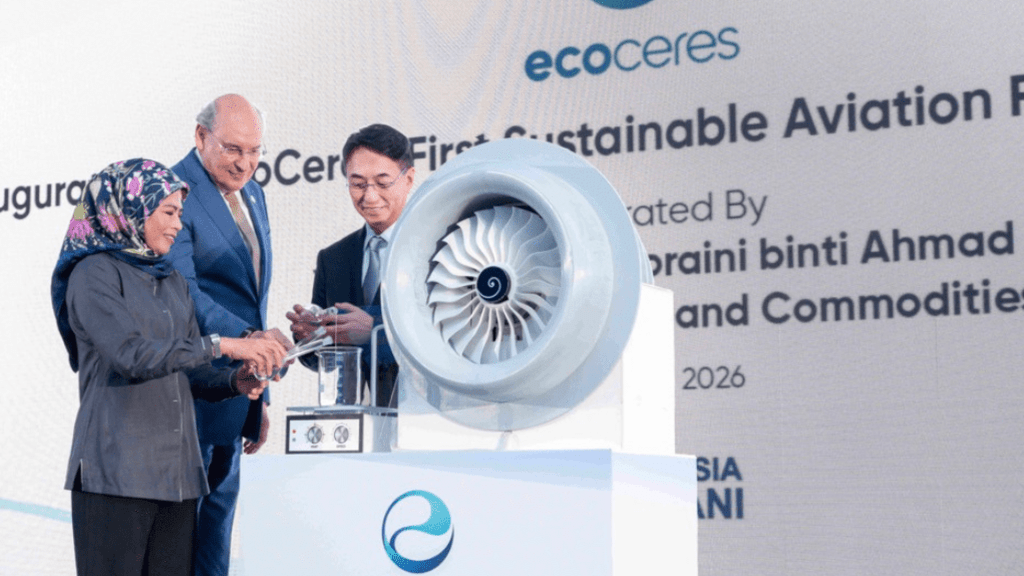



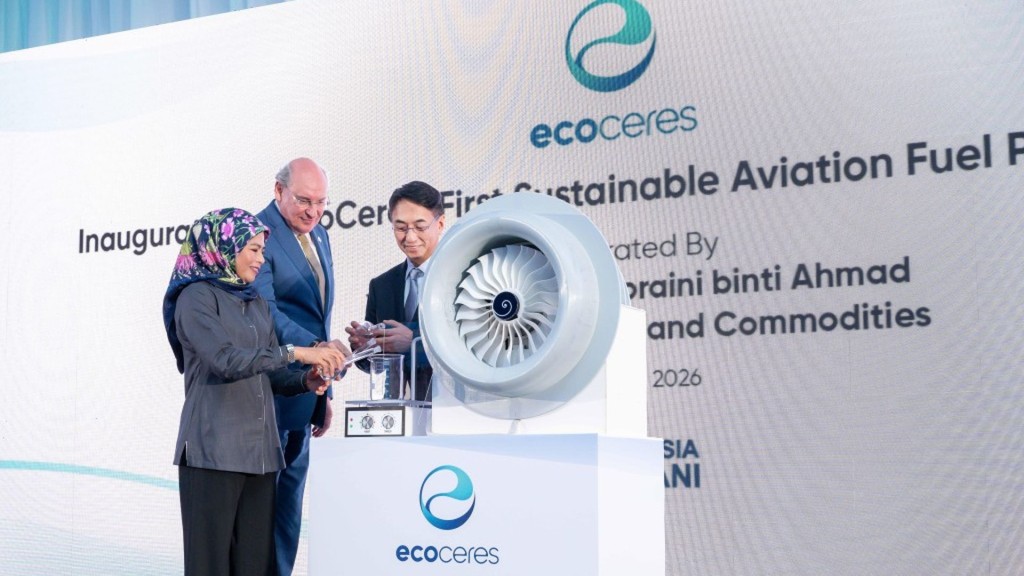
The story of converting used cooking oil to jet fuel is being written by EcoCeres, a firm putting Hong Kong at the forefront of climate action. The global aviation industry faces a formidable climate challenge. Accounting for 2.5 percent of global energy-related carbon dioxide emissions, its dependence on fossil fuels is hard to abate. Electric batteries are too heavy for long flights, and green hydrogen remains scarce. The most viable path to decarbonization today is sustainable aviation fuel, or SAF – a low-carbon, drop-in alternative. With demand far outstripping supply and prices soaring, the race is on to scale production. At the forefront is an unlikely leader: Hong Kong.
SAF’s current premium stems from complex production, often using corrosive catalytic processes to recycle waste like used cooking oil. This creates high barriers to entry.
Yet, Hong Kong-headquartered EcoCeres has become a world leader, alongside Finland’s Neste, supplying global airlines. This raises a question: how does a compact city with no industrial farmland become an SAF powerhouse?
The answer lies in a potent blend of mainland China’s manufacturing scale and Hong Kong’s strategic vision. EcoCeres, born from the legacy utilities giant Towngas (The Hong Kong and China Gas), established its first refinery in the Zhangjiagang industrial park in Jiangsu.
This model – Hong Kong capital and expertise leveraging mainland industrial capacity – has proven explosively successful.
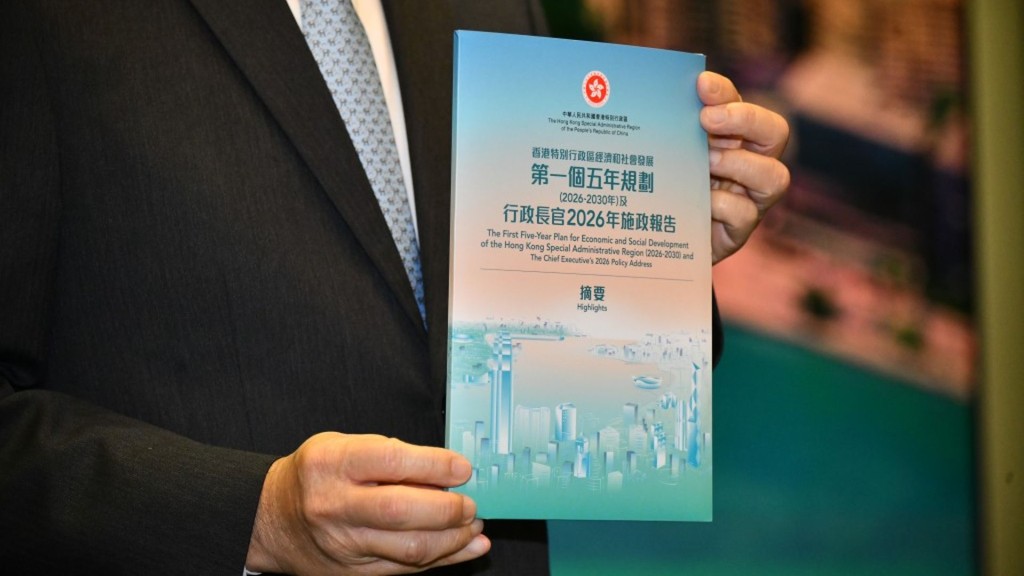
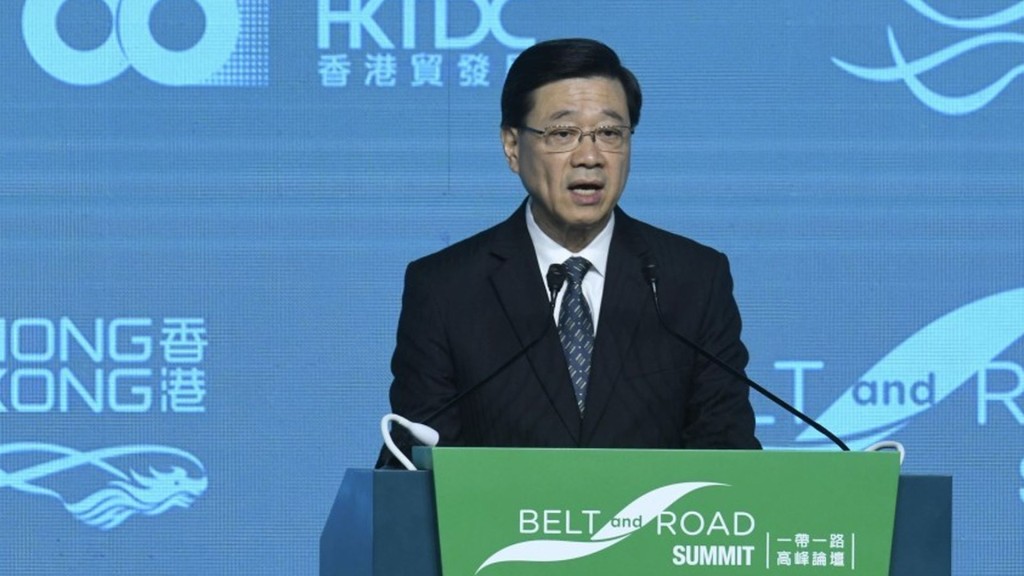
Recognizing the sector’s strategic value, Chief Executive John Lee Ka-chiu highlighted developing SAF as a key business opportunity in his policy address, positioning the city for the green economy.
The founding mission of EcoCeres was to tackle the “gutter oil” scandal – where waste cooking oil was illegally recycled into food chains. By creating a high-value market for this waste, SAF production anchors a powerful circular economy. Used oil is no longer a health hazard but a commodity. This economic incentive has virtually eradicated such scandals in mainland China, demonstrating how climate technology can solve pressing social issues.
The journey is one of relentless innovation. EcoCeres spent years developing its second, more advanced production facility in Malaysia, focusing on technological upgrades and higher yield.
This commitment to research and development ensures Hong Kong’s role isn’t just as a financier, but as a hub for the expertise and innovation required to scale climate solutions.
The EcoCeres story is a powerful case study. It shows how Hong Kong technology and enterprise can help mitigate a global environmental impact, solve local health issues, and generate substantial economic benefits. In the urgent quest for clean skies, Hong Kong has proven that its greatest asset is not space, but vision – the ability to connect capital, innovation, and sustainable policy to fuel real-world solutions. As aviation’s green transition accelerates, Hong Kong’s role as a catalyst and leader in the SAF revolution is set to soar.